
Size
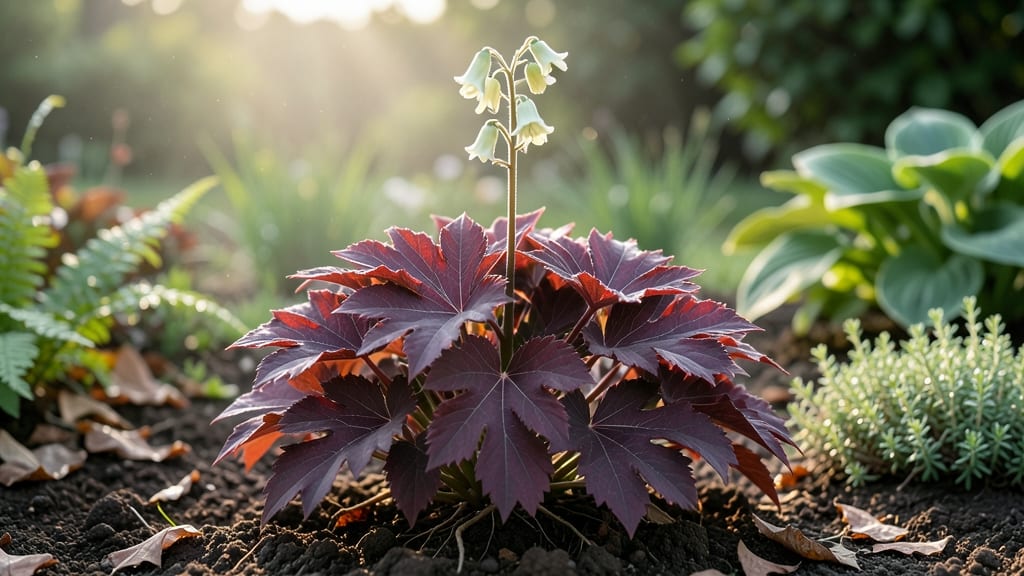
If you're planning your garden layout and wondering how tall do coral bells grow, the answer might surprise you—these stunning 🌸 plants can range from compact 8 inches to towering 3 feet, depending on the variety and care you provide.
Coral bells (Heuchera) are prized for their vibrant foliage, but their height varies dramatically between dwarf types like 'Berry Smoothie' and taller cultivars such as 'Palace Purple'.
The good news? With the right pruning techniques, you can easily control their growth to fit your space—whether you prefer a neat border or a lush, cascading display.
In their first year, most coral bells stay between 12-18 inches, but by year three, they can reach their full mature height. The key to keeping them at your desired size lies in understanding their growth habits and when to trim.
Let’s explore how to manage their height naturally, so you can enjoy their beauty without overcrowding your garden.
From choosing the right variety for your garden’s conditions to mastering seasonal pruning, we’ll cover everything you need to know. Whether you’re a beginner or a seasoned gardener, these tips will help you create the perfect spot for your coral bells—without them taking over your landscape.


Natural height range of coral bells: what to expect by variety
Coral bells (Heuchera) are prized for their stunning foliage and delicate flowers, but their mature size can vary dramatically depending on the cultivar. Most varieties stay between 1 to 3 feet tall, but some dwarf types remain as short as 8 inches.
The key to controlling their height lies in understanding each variety’s natural growth habit and providing the right growing conditions.
For example, 'Palace Purple' typically reaches 2 to 3 feet at maturity, while 'Lime Rickey' stays shorter at 1 to 2 feet. These differences matter when planning your garden layout—especially if you’re using coral bells as border plants or container specimens.
Even within the same variety, factors like sunlight exposure and soil quality can influence how tall your plants grow.
Here’s how to match your garden vision with the right coral bells variety:
| Variety | Mature Height | Spread | Best For |
|---|---|---|---|
| 'Palace Purple' | 2–3 ft | 1–2 ft | Borders, mass planting |
| 'Lime Rickey' | 1–2 ft | 1–1.5 ft | Containers, edging |
| 'Berry Smoothie' | 1.5–2.5 ft | 1.5–2 ft | Shade gardens, woodland areas |
| 'Dale’s Hybrid' | 8–12 in | 1 ft | Rock gardens, window boxes |
| 'Plum Pudding' | 1.5–2 ft | 1.5 ft | Mixed borders, pollinator gardens |
If you’re growing coral bells in containers, expect them to stay 20–30% shorter than their in-ground counterparts due to restricted root growth. For example, a 'Palace Purple' in a 12-inch pot might only reach 1.5 to 2 feet instead of its full 3-foot height.
This makes containers ideal for balcony gardens or patio displays where space is limited.
Another factor affecting height is sunlight exposure. Coral bells grown in full sun (6+ hours daily) tend to develop taller stems and may require more frequent pruning to stay compact.
In contrast, plants in partial shade (4–6 hours of sun) often stay shorter and bushier, with more vibrant foliage colors. This is why many gardeners choose morning sun with afternoon shade—it keeps plants controlled and colorful.
For those in warmer climates (USDA Zones 7–9), coral bells may grow slightly taller and leggier, especially if they’re not pruned regularly. In cooler zones (Zones 3–6), growth is typically slower, and plants may stay closer to their minimum height range.
Always check your local microclimate—a north-facing garden in Zone 7 might mimic Zone 6 conditions, while a south-facing spot could push growth toward the upper limits.
One of the most common questions we get is: "Will my coral bells grow taller over time?" The answer is yes—but not indefinitely. After 3 to 5 years, most varieties reach their mature height and focus on spreading rather than vertical growth.
This makes them perfect for long-term garden beds where you want a low-maintenance, evergreen presence.
Pro tip: If you’re planting coral bells near taller perennials like foxgloves or delphiniums, choose semi-dwarf varieties to avoid them getting lost in the landscape. For ground cover, opt for spreading types like 'Green Spice', which stays low and dense while filling space horizontally.
Ready to control your coral bells’ height naturally? The next step is learning how to prune them effectively—we’ll cover that in our step-by-step pruning guide to keep your plants bushy and at your desired height. 🌿
Natural height range of coral bells: what to expect by variety
Coral bells (Heuchera) are prized for their stunning foliage and delicate flowers, but their mature height varies dramatically depending on the cultivar. Most varieties stay between 12 and 36 inches, but some dwarf types barely reach 8 inches.
Understanding these differences helps you plan your garden layout and avoid overcrowding.
For example, the popular 'Palace Purple' cultivar typically grows 18-24 inches tall, while 'Lime Rickey' maxes out around 12-18 inches. On the taller side, 'Berry Smoothie' can reach 24-36 inches with proper care.
These variations are influenced by sunlight exposure, soil quality, and even your USDA hardiness zone.
| Variety | Mature Height | Growth Habit | Best For |
|---|---|---|---|
| 'Palace Purple' | 18-24" | Clumping | Borders, containers |
| 'Lime Rickey' | 12-18" | Compact | Rock gardens, edging |
| 'Berry Smoothie' | 24-36" | Upright | Back of borders |
| 'Dwarf Aurora' | 8-12" | Dwarf | Alpine gardens, containers |
If you're growing coral bells in containers, expect slightly shorter heights—often 10-20% smaller than their in-ground counterparts. Container-grown plants also benefit from regular pruning to maintain a tidy shape, especially in small spaces like patios or balconies.
For full sun exposure, coral bells may grow 10-15% taller than in partial shade, but their leaf colors can fade. To keep them compact and vibrant, plant them in well-draining soil with a 20-30% organic matter content. This ensures they focus energy on foliage rather than leggy stems.
In USDA zones 3-9, coral bells thrive with minimal winter dieback, but their height growth slows significantly in cooler climates. If you're in zone 3 or 4, mulch heavily in fall to protect roots and encourage bushier growth the following spring.
Remember, coral bells are perennial plants, so their height increases gradually over 3-5 years. With proper care, you can enjoy their colorful foliage for decades without them becoming unruly.