
Shrubs
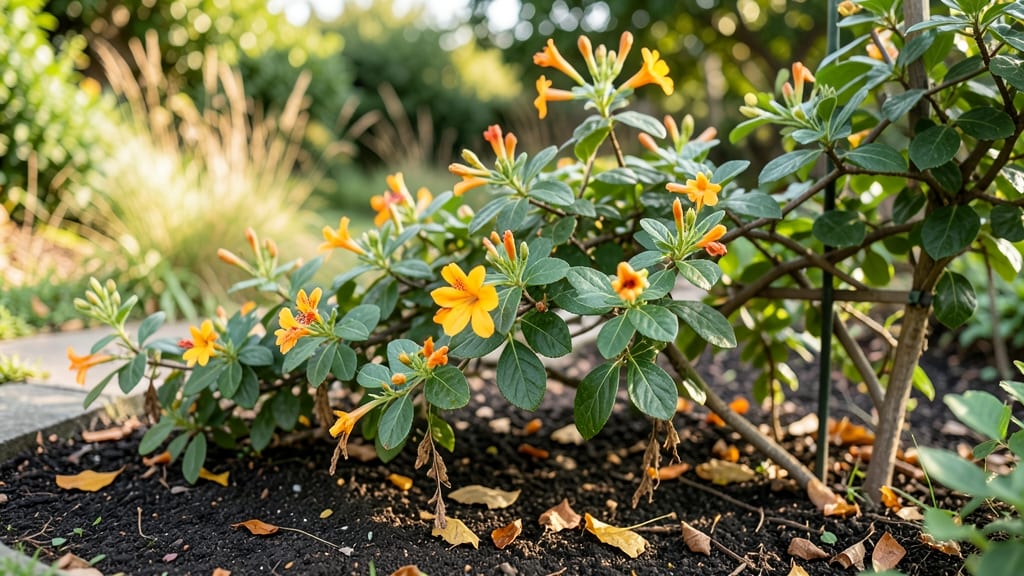
Wondering how tall does honeysuckle grow before you plan your garden layout? This fragrant 🌸 vine can be both a towering climber and a compact shrub, depending on the variety—and that flexibility makes it perfect for almost any space.
The most dramatic honeysuckle types, like the native Lonicera sempervirens, can stretch 10 to 20+ feet when given sturdy trellises or fences to climb. Others, like the dwarf varieties, stay neatly under 6 feet, making them ideal for borders or containers.
The difference comes down to sunlight, soil quality, and pruning habits—so your garden design choices matter more than you might think.
If you're dreaming of a fragrant vertical garden or a low-maintenance shrub, understanding these growth patterns helps you pick the right type for your space.
I'll break down the key differences between climbing and bush varieties, plus how to keep them at your desired height without sacrificing those sweet summer blooms.
Whether you're working with USDA Zone 6a conditions or just love the idea of a fragrant garden, knowing how tall honeysuckle grows lets you plan with confidence. Let’s explore the varieties that will transform your outdoor space—no matter how much (or little) vertical room you have.


Honeysuckle height guide: climbing varieties that reach 10-20+ feet
If you're planning to add honeysuckle to your garden for its sweet fragrance and stunning blooms, knowing how tall it can grow is crucial. Climbing honeysuckle varieties are the showstoppers, often reaching heights of 10 to 20+ feet with the right support.
These vines thrive when trained on trellises, arbors, or fences, creating a lush vertical display that attracts hummingbirds and butterflies.
The most popular tall-growing honeysuckle is Lonicera sempervirens, also known as trumpet honeysuckle. This native North American species can climb up to 20 feet or more, making it perfect for covering large fences or pergolas.
Another standout is Lonicera japonica, which can reach 15 to 25 feet and is known for its abundant, fragrant flowers.
For a more controlled but still impressive height, Lonicera periclymenum (European honeysuckle) typically grows 10 to 15 feet tall. This variety is prized for its long blooming season and ability to thrive in partial shade, making it versatile for various garden settings.
| Variety | Mature Height | Growth Rate | Best Support |
|---|---|---|---|
| Lonicera sempervirens | 15-20+ ft | Fast (3-5 ft/year) | Trellis, arbor, fence |
| Lonicera japonica | 15-25 ft | Moderate (2-4 ft/year) | Strong fence, pergola |
| Lonicera periclymenum | 10-15 ft | Moderate (2-3 ft/year) | Arbor, trellis, wall |
Note: Height can vary based on sunlight, soil quality, and pruning habits.
To encourage maximum growth, plant climbing honeysuckle in full sun to partial shade with well-draining soil. These vines are vigorous and can spread quickly, so give them plenty of space to climb. If you're using a trellis, install it at planting time to avoid damaging roots later.
One of my favorite tips for tall honeysuckle is to prune in late winter or early spring to shape the vine and encourage bushier growth. Remove any dead or weak stems, and cut back overgrown sections to maintain a balanced shape.
This not only controls height but also improves airflow, reducing the risk of fungal diseases.
For gardeners with limited space, consider dwarf varieties like Lonicera sempervirens 'Major Wheeler', which still reaches 10 to 12 feet but is more manageable. This variety is also heat and drought tolerant, making it a great choice for hotter climates.
If you're aiming for a dramatic vertical garden, Lonicera japonica 'Halliana' is another excellent option. It grows up to 15 feet and produces clusters of fragrant, cream-colored flowers. This variety is particularly attractive to pollinators, adding an extra layer of garden life to your space.
Remember, the height of your honeysuckle can be influenced by its growing conditions. Poor soil or lack of sunlight can stunt growth, while rich soil and ample sunlight will promote faster, healthier vines.
Always choose a support structure that matches the mature height of your selected variety to ensure stability and longevity.
Whether you're dreaming of a romantic arbor covered in blooms or a sturdy fence transformed into a living tapestry, climbing honeysuckle delivers both beauty and fragrance. With the right variety and care, you can enjoy its height and charm for years to come. 🌿🌸
Honeysuckle height guide: climbing varieties that reach 10-20+ feet
If you're planning to add a fragrant, vertical garden feature, climbing honeysuckle varieties are perfect for creating stunning focal points. These vines can reach 10 to 20+ feet with the right support, making them ideal for trellises, arbors, or fences.
The key to their impressive height lies in their natural growth habit—twining and clinging to structures as they grow upward.
For gardeners with limited space but a desire for height, Lonicera sempervirens, also known as trumpet honeysuckle, is a top choice. This variety can grow 10 to 15 feet tall and thrives in USDA zones 4 to 9.
Its tubular, fragrant flowers attract hummingbirds and butterflies, adding an extra layer of beauty to your garden. Pair it with a sturdy trellis to guide its upward growth.
Another tall climber is Lonicera japonica, or Japanese honeysuckle, which can reach 20 to 25 feet if given ample support. This variety is fast-growing and adaptable, making it a favorite for quick vertical coverage. However, it can be invasive in some regions, so check local regulations before planting.
For a more controlled option, consider Lonicera periclymenum, or European honeysuckle, which typically grows 15 to 20 feet tall and produces clusters of fragrant flowers.
| Variety | Mature Height | Growth Rate | Best Support |
|---|---|---|---|
| Lonicera sempervirens | 10–15 ft | Moderate | Trellis, arbor |
| Lonicera japonica | 20–25 ft | Fast | Fence, pergola |
| Lonicera periclymenum | 15–20 ft | Moderate | Arbor, trellis |
To encourage maximum height, plant your climbing honeysuckle in full sun to partial shade and well-draining soil. Mulch around the base to retain moisture and suppress weeds, which helps the plant focus its energy on vertical growth.
Regular watering, especially during the first growing season, will also support robust development. Avoid overwatering, as soggy soil can lead to root rot.
When choosing a support structure, opt for something sturdy enough to handle the weight of mature vines. A wooden trellis or metal arbor works well for smaller varieties, while a permanent fence or pergola is better for larger, more aggressive growers like Lonicera japonica.
Train the vines gently as they grow to ensure they attach properly to the support and grow upward rather than sprawling.
If you're concerned about height control, don’t worry—pruning is your friend. For climbing varieties, you can trim back overgrowth in late winter or early spring to maintain a desired height. Focus on removing any tangled or crossing stems to improve airflow and reduce disease risk.
With the right care, your honeysuckle will thrive and reach its full potential height while adding a touch of natural beauty to your garden. 🌿