
Size
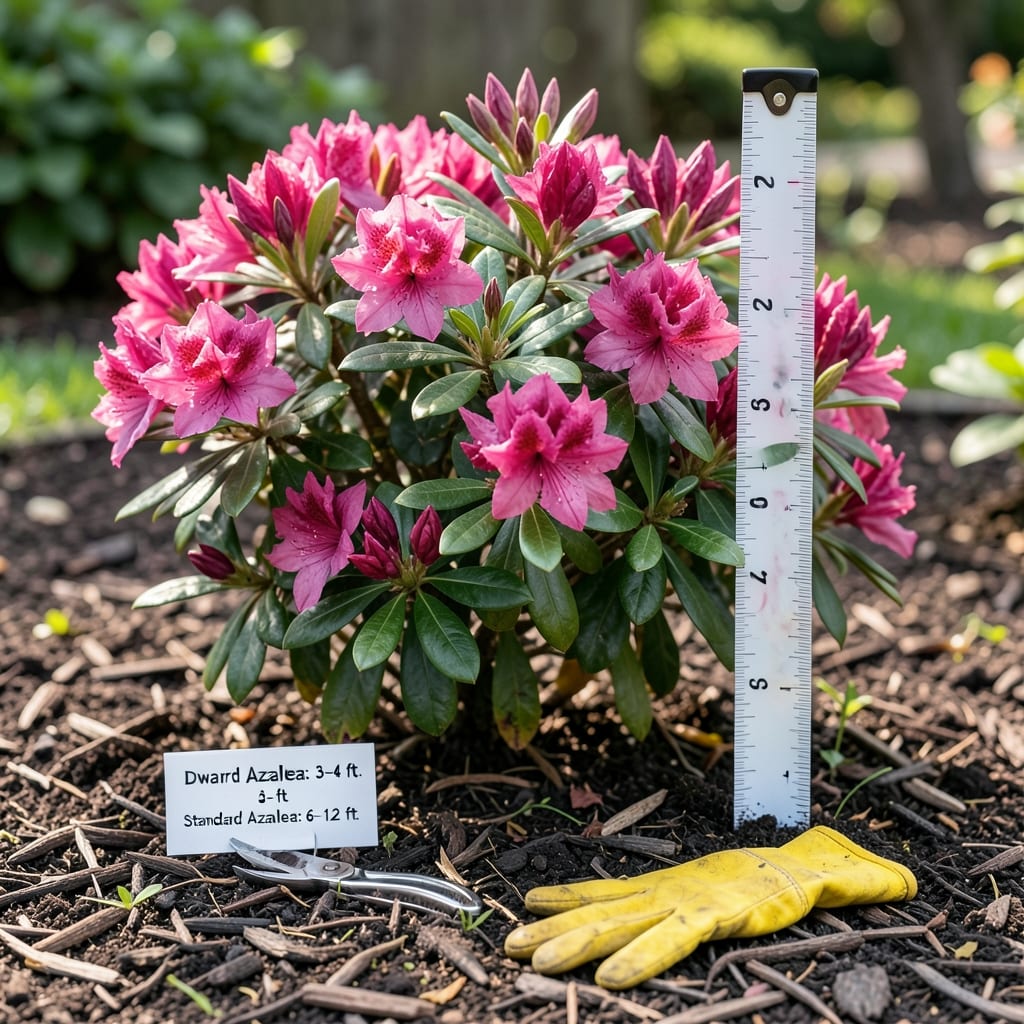
If you're dreaming of vibrant blooms but wondering how tall do azalea plants grow, you're in the right place. These stunning 🌸 azaleas can range from tiny 1-foot shrubs to towering 12-foot giants—it all depends on the variety and how you care for them.
In USDA Zone 6a, where spring planting is ideal, choosing the right azalea size matters. Some varieties stay perfectly manageable for containers or small gardens, while others grow tall enough to create dramatic borders. The key is understanding their growth habits before you plant.
Whether you want a compact azalea for your patio or a tall one to frame your front door, I’ll break down the differences and share tips to control their height naturally. Let’s find the perfect fit for your space!
From dwarf varieties that barely reach your knees to standard shrubs that rival your mailbox, azaleas offer something for every garden style. Ready to discover which size works best for you?

Azalea height ranges: dwarf, medium, and tall varieties compared
Azaleas come in a stunning array of sizes, making them perfect for everything from patio pots to privacy hedges. Understanding their height ranges helps you choose the right variety for your space. Most azaleas fall into three categories: dwarf (1–3 ft), medium (3–6 ft), and tall (6–12 ft). The variety you pick will determine whether your azalea stays at knee height or reaches the ceiling of your porch!
For example, the ‘Dwarf Fuchsia’ azalea maxes out at just 2 feet, while the ‘Girard’s Pink’ variety can soar to 10 feet or taller. Even within the same species, like Rhododendron simsii (evergreen azaleas), height differences are dramatic. Let’s break down the key categories so you can visualize which size fits your garden best.
🌱
🌿 Azalea Height Comparison Table
| Variety Type | Mature Height | Growth Rate | Best For |
|---|---|---|---|
| Dwarf Azaleas | 1–3 ft | Slow to moderate | Containers, borders, rock gardens |
| Medium Azaleas | 3–6 ft | Moderate | Foundation plantings, hedges, mixed borders |
| Tall Azaleas | 6–12 ft | Fast | Privacy screens, large landscapes, specimen plants |
| Examples | Height Range | Growth Notes | Ideal Use |
| ‘Dwarf Fuchsia’ | 1–2 ft | Slow-spreading | Patio pots, window boxes |
| ‘Girard’s Pink’ | 6–10 ft | Vigorous | Privacy hedge, woodland edges |
| ‘Southern Indica’ | 3–5 ft | Moderate | Foundation plantings, mixed borders |
If you’re planting in USDA Zone 6a, like many gardeners in the Midwest or Northeast, choose dwarf or medium varieties for smaller spaces. They thrive in containers and require less pruning. On the other hand, tall azaleas like ‘Catawbiense’ varieties can handle colder winters and add height to your landscape. Just be prepared for their rapid growth!
One common misconception is that all azaleas grow tall. In reality, evergreen azaleas (like Rhododendron simsii) often stay compact, while deciduous azaleas (like Rhododendron molle) can reach impressive heights. The key is selecting the right species for your goals—whether that’s a low-maintenance border or a statement-making specimen.
For container gardening, stick to dwarf varieties under 3 feet. They’re perfect for balconies, decks, or even as striking tabletop plants. Just ensure your pot has drainage holes and use a well-draining, acidic soil mix to keep them healthy. Without proper care, even dwarf azaleas can outgrow their containers quickly!
🌿
If you’re planning a
Factors that influence azalea plant height: soil, sun, and pruning
Did you know your azalea’s final height isn’t set in stone? While genetics play a role, soil conditions, sunlight exposure, and pruning habits can dramatically shape how tall your azalea grows. For example, a 3-foot dwarf variety might stretch to 5 feet if given ideal growing conditions—or shrink back to size with proper care.
Let’s start with soil pH. Azaleas thrive in acidic soil (pH 4.5-5.5). If your soil is too alkaline, nutrients like iron become unavailable, stunting growth. Test your soil and amend with peat moss or sulfur if needed. Healthy roots mean stronger stems and fuller growth.
Next, consider sunlight exposure. While azaleas love morning sun, too much afternoon heat can stress them, leading to leggy growth. In hot climates, partial shade keeps them compact. I’ve seen 6-foot azaleas in full sun grow 2 feet taller than identical plants in filtered light.
Now, let’s talk pruning. Pruning isn’t just for shaping—it’s a tool to control height. For compact growth, prune right after blooming to encourage bushier, shorter branches. Avoid heavy pruning in late summer, as new growth won’t harden off before winter. I prune my 5-foot azaleas by one-third each year to keep them from outgrowing their spot.
Here’s a quick tip: Fertilizer timing matters too. Over-fertilizing in late summer can spur weak, fast growth that flops under its own weight. Stick to early spring and fall feedings with an acid-loving fertilizer (like 10-10-10) to promote steady, sturdy growth.
🌱 DO These for Compact Azaleas
- ☑️ Prune after blooming to encourage bushiness
- ☑️ Use acidic fertilizer (pH 5.5 or lower)
- ☑️ Provide partial shade in hot afternoons
- ☑️ Water deeply but avoid soggy soil
✂️ DON’T Do These for Tall Azaleas
- ✖️ Over-fertilize in late summer (causes floppy growth)
- ✖️ Prune heavily in late summer (stunts winter hardiness)
- ✖️ Plant in alkaline soil (locks out nutrients)
- ✖️ Ignore leggy growth (can lead to weak stems)
One of my favorite tricks? Container gardening for dwarf varieties. Root-bound azaleas in pots stay naturally smaller because their roots can’t spread as much. Just ensure your container has drainage holes and use a well-draining mix with peat moss or pine bark.
Remember, azaleas grow slowly—expect 6-12 inches of growth per year for most varieties. With the right care, you can guide them to your desired height, whether that’s a 2-foot patio gem or a 10-foot landscape focal point. 🌿