
How To
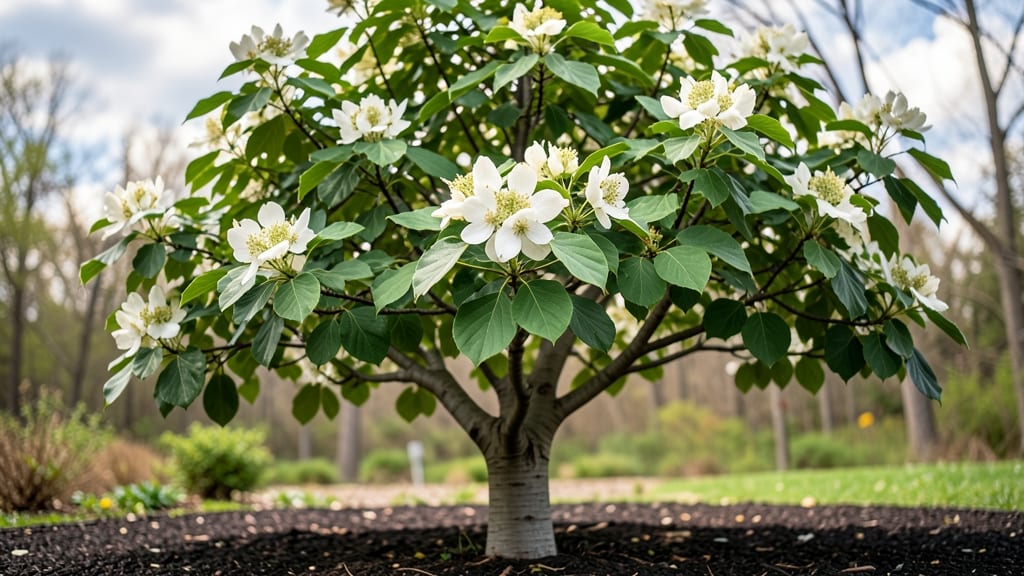
Wondering how tall does dogwood tree grow before it becomes a towering presence in your yard? The answer depends more on the variety you choose than you might think, and getting it right could save you from future headaches—or even a pruning nightmare.
Dogwood trees like the Cornus florida (our native beauty) typically reach 20-35 feet at maturity, while dwarf varieties like 'Cherokee Brave' stay a manageable 8-12 feet.
That's the difference between a graceful shade provider and a space-hogging giant. Knowing these heights upfront helps you plan your garden layout with confidence.
But here's the kicker: pruning and sunlight exposure can dramatically alter a dogwood's growth trajectory. A tree planted in full sun might stretch taller than one in partial shade, while strategic pruning can keep even standard varieties from overwhelming your landscape.
We'll break down exactly how to control height without sacrificing those stunning spring blooms.
Whether you're designing a cozy backyard retreat or a grand entranceway, understanding these growth patterns is your secret weapon. Let's dive into the specifics so you can choose—and shape—a dogwood that fits your vision perfectly.


Dogwood tree height by variety: from dwarf to towering giants
Dogwood trees are beloved for their showy spring blooms and vibrant fall foliage, but their mature height can vary dramatically depending on the variety.
If you're planning your landscape, knowing these height ranges will help you choose the perfect dogwood for your space—whether you want a compact accent tree or a grand shade provider. Let's explore the most popular types and their growth expectations.
Most dogwoods reach maturity between 10 to 35 feet, but some dwarf varieties stay under 12 feet.
The Florida dogwood (Cornus florida), the most common species, typically grows 20 to 35 feet tall, while Kousa dogwood (Cornus kousa) varieties often max out around 25 feet. Your yard's size and sunlight conditions will determine which variety thrives best in your space.
Visual Reference: Imagine a 10-foot-tall dogwood as tall as a basketball hoop, while a 35-foot variety reaches the height of a two-story house. This range means you can find a dogwood to fit almost any landscape—from small urban yards to sprawling estates.
| Variety | Mature Height (ft) | Growth Rate (ft/year) | Best For |
|---|---|---|---|
| 'Flame' Dogwood | 15-20 | 1-2 | Small yards, containers |
| 'Cherokee Brave' Dogwood | 12-15 | 1 | Dwarf landscapes, urban gardens |
| 'Purple Smoke' Dogwood | 25-35 | 2-3 | Shade trees, large properties |
| 'Stellar Pink' Dogwood | 18-22 | 1.5-2 | Medium yards, focal points |
| 'Kousa' Dogwood | 20-25 | 1.5 | Shade, wildlife gardens |
| 'Golden Age' Dogwood | 10-15 | 1 | Dwarf hedges, small spaces |
Note: Growth rates slow as trees mature. Pruning can influence final height.
For example, the 'Flame' dogwood grows just 15-20 feet tall, making it ideal for small yards or even large containers. In contrast, the 'Purple Smoke' variety can reach 35 feet, perfect for providing shade over patios or parking areas.
If you're unsure which variety to choose, consider your yard's sunlight exposure and available space—dogwoods thrive in partial shade but can adapt to full sun with proper care.
Did you know? Some dogwood varieties, like 'Cherokee Brave', are bred specifically for compact growth and can even be pruned into hedge-like shapes. This makes them perfect for urban gardens or landscaping projects with limited space. Always check the mature height before planting to avoid future overgrowth issues.
Another key factor is the growth rate. Faster-growing varieties like 'Purple Smoke' can add 2-3 feet per year in ideal conditions, while slower growers like 'Golden Age' increase by only 1 foot annually.
This means a 10-foot dogwood might take 5 years to mature, while a 35-foot variety could reach full height in 10-15 years.
When planning your landscape, also consider the canopy spread, which is often 15-25 feet wide for standard dogwoods. This means even a 20-foot-tall tree can occupy a 30-foot-diameter space at maturity. Always leave room for the tree to spread naturally to avoid root competition with nearby plants or structures.
If you're unsure which dogwood fits your space, start with a smaller variety like 'Flame' or 'Cherokee Brave' to test how it
How pruning affects dogwood tree height and shape
Pruning your dogwood tree isn’t just about keeping it looking tidy—it’s a powerful tool to control height and encourage a healthier shape. Since dogwoods naturally grow between 10-35 feet, strategic pruning can keep a 25-foot giant at a more manageable 15 feet or even lower.
The key is timing and technique.
Dogwoods respond best to pruning in late winter or early spring, just before new growth begins. This timing ensures you remove dead or diseased branches while stimulating fresh, controlled growth.
Avoid heavy pruning in summer or fall, as it can stress the tree and leave it vulnerable to pests or disease.
Here’s how pruning directly impacts your dogwood’s height and structure:
Shorten branches by 1/3 of their length to reduce overall height. Ideal for young trees or when you want to control rapid growth.
Remove entire branches at their base to improve airflow and light penetration. This prevents overcrowding and maintains a balanced shape without drastically reducing height.
Shape the tree’s framework by removing competing leaders or crossing branches. This encourages a strong central trunk and even growth.
Always remove dead, diseased, or damaged branches to redirect energy to healthy growth. This keeps the tree compact and vigorous.
For overgrown dogwoods, prune back 1/2 to 2/3 of the height in stages over 2-3 years. This stimulates new growth from the base.
If you’re aiming for a dwarf dogwood like ‘Rotundifolia’ (max 10 feet), regular heading back cuts in early spring will keep it in check. For taller varieties like ‘Purple Smoke’ (up to 35 feet), focus on thinning cuts to maintain an open canopy while controlling height.
Remember, dogwoods are sensitive to over-pruning. Never remove more than 25% of the canopy in a single session, or you risk weakening the tree’s health or reducing next year’s flowering display. Always use sterilized tools and make cuts just outside the branch collar to promote fast healing.
For best results, prune your dogwood once a year in late winter. Pair this with proper watering and mulching to support its structural integrity. With the right approach, you can enjoy a perfectly sized dogwood that fits your landscape—without sacrificing its beauty or health.