
Shrubs
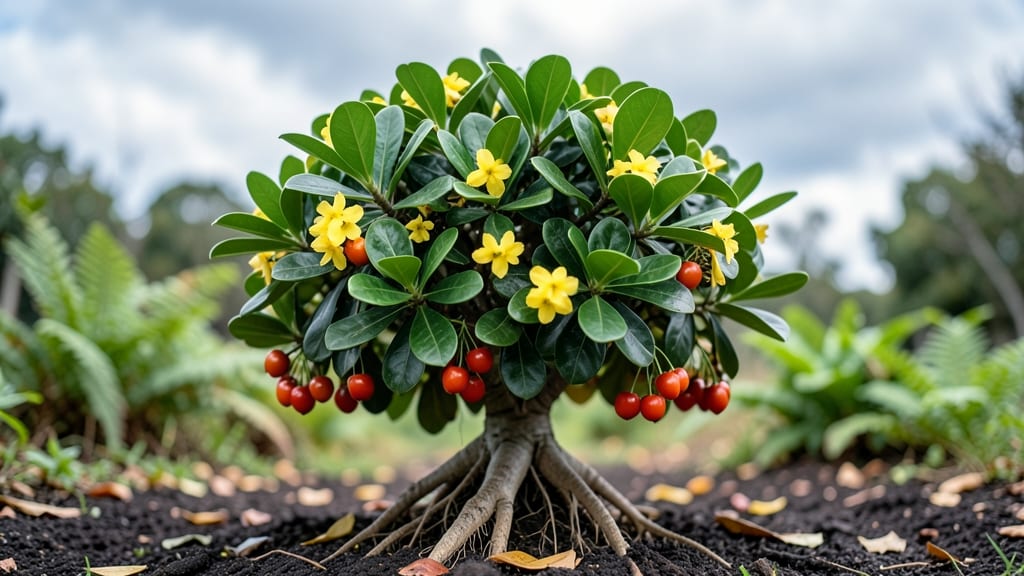
If you're wondering how tall does Clusia grow, the answer depends entirely on the variety you choose—because this tropical beauty can be a compact accent plant or a towering statement piece in your garden. 🌿 Some types stay under 3 feet, perfect for containers, while others stretch toward 20 feet in ideal conditions, making them more suited for larger landscapes.
What’s even more interesting is how quickly Clusia reaches its mature height. In just a few years, you’ll see noticeable growth, especially when planted in USDA Zone 6a during spring—its prime planting window.
Whether you’re dreaming of a lush hedge or a dramatic focal point, understanding these growth patterns helps you plan for the perfect spot.
But here’s the game-changer: with the right care, you can influence how tall your Clusia becomes. Pruning at the right time, adjusting sunlight exposure, and even soil choices play a huge role in keeping it manageable—or letting it thrive wild.
I’ll break down exactly how to control its height so you get the look you want without any surprises.
Ready to transform your space? Let’s explore the different Clusia varieties, their growth habits, and the simple tricks to shape your plant—whether you prefer a cozy 3-foot shrub or a grand 15-foot tropical giant. The choice is yours!


Clusia height by variety: compact dwarfs vs. towering giants
Clusia plants—often called Christmas bush—offer a stunning range of heights depending on the variety. Some stay compact enough for container gardens, while others grow into towering tropical shrubs that dominate landscapes.
Knowing these differences helps you choose the perfect fit for your space, whether you want a low-maintenance border plant or a statement piece in your garden.
If you’re working with limited space, dwarf varieties like Clusia rosea (also called cocoplum) typically max out at 3–5 feet, making them ideal for patio pots or small foundation plantings.
On the other end, tropical giants like Clusia multiflora can soar to 15–20 feet in ideal conditions, requiring regular pruning or dedicated space to prevent them from overwhelming your yard.
Here’s a quick comparison to help you visualize how each variety fits into your garden design:
For urban gardens or small patios, I recommend sticking to Clusia rosea or Clusia minor—both stay manageable while still offering vibrant foliage and seasonal blooms.
If you have a sunny, spacious yard, the taller varieties like Clusia multiflora can create a dramatic focal point, especially when paired with palm trees or banana plants for a tropical vibe.
One thing to note: Clusia plants grown in containers will naturally stay shorter than those planted in the ground. If you’re using pots, expect heights to be 20–30% smaller than the mature ranges listed above.
For example, a Clusia multiflora in a 15-gallon pot might only reach 8–10 feet instead of its full 15-foot potential.
Before planting, check your local climate zone. Clusia thrives in USDA Zones 10–12, where it can grow faster and taller due to year-round warmth. In cooler zones (like Zone 9), growth slows, and mature heights may be 30–50% smaller.
If you’re in a colder area, opt for dwarf varieties or plan to winterize your plant with mulch and protective coverings.
Pro tip: If you love the look of Clusia but need a smaller version, look for grafted varieties or ask local nurseries about slow-growing cultivars. Some specialty growers even offer miniature Clusia hybrids that stay under 2 feet—perfect for windowsill gardens or fairy garden setups.
🌿
How to control Clusia growth: pruning and care for desired height
Managing the height of your Clusia starts with understanding its natural growth habits. While some varieties like Clusia rosea can reach 10–20 feet, others like Clusia minor stay compact at 1–3 feet.
The key is pruning at the right time and providing optimal growing conditions to steer growth in your desired direction.
For compact Clusia, focus on light pruning in early spring to shape the plant and encourage bushier growth. Remove any overly long stems that disrupt your vision or garden layout. This approach works best for dwarf varieties and keeps them manageable for container gardening or small yards.
🌿
🌱 Pro Tip: Prune for Shape, Not Size
Use sharp pruning shears to trim just above a leaf node—this encourages new growth in the right direction. Avoid cutting into old wood, as Clusia struggles to regrow from mature stems.
For taller varieties, prune in late winter to control height before the growing season kicks in. This prevents uncontrolled vertical growth and keeps your Clusia from becoming a 20-foot tower in just a few years.
Light conditions play a huge role in height control. Clusia thrives in partial shade (3–6 hours of sunlight daily), which naturally slows vertical growth. If your plant starts stretching toward the sun, it’s a sign it needs more shade or a smaller growing space.
Move it to a filtered-light spot or under a dappled canopy to keep it proportionate.
Soil quality also affects height. Clusia prefers well-draining, slightly acidic soil (pH 5.5–6.5). Amend heavy clay with compost or peat moss to improve drainage and prevent root-bound stress, which can stunt growth. A balanced fertilizer (10-10-10) applied in early spring promotes healthy, controlled growth without excessive height spikes.
If your Clusia is already too tall for its space, don’t panic! You can gradually reduce height by pruning 1/3 of the plant in stages over 2–3 years.
This avoids shocking the plant and allows it to recover while slowly shrinking. Pair this with regular watering (deep soaks once a week) to support new growth after pruning.
For container-grown Clusia, choose a pot that’s 1–2 sizes larger than the plant’s current root ball. Root-bound plants grow taller and leggier as they search for space. Repot every 2–3 years in spring to refresh the soil and encourage balanced, compact growth. 🪴