
Size
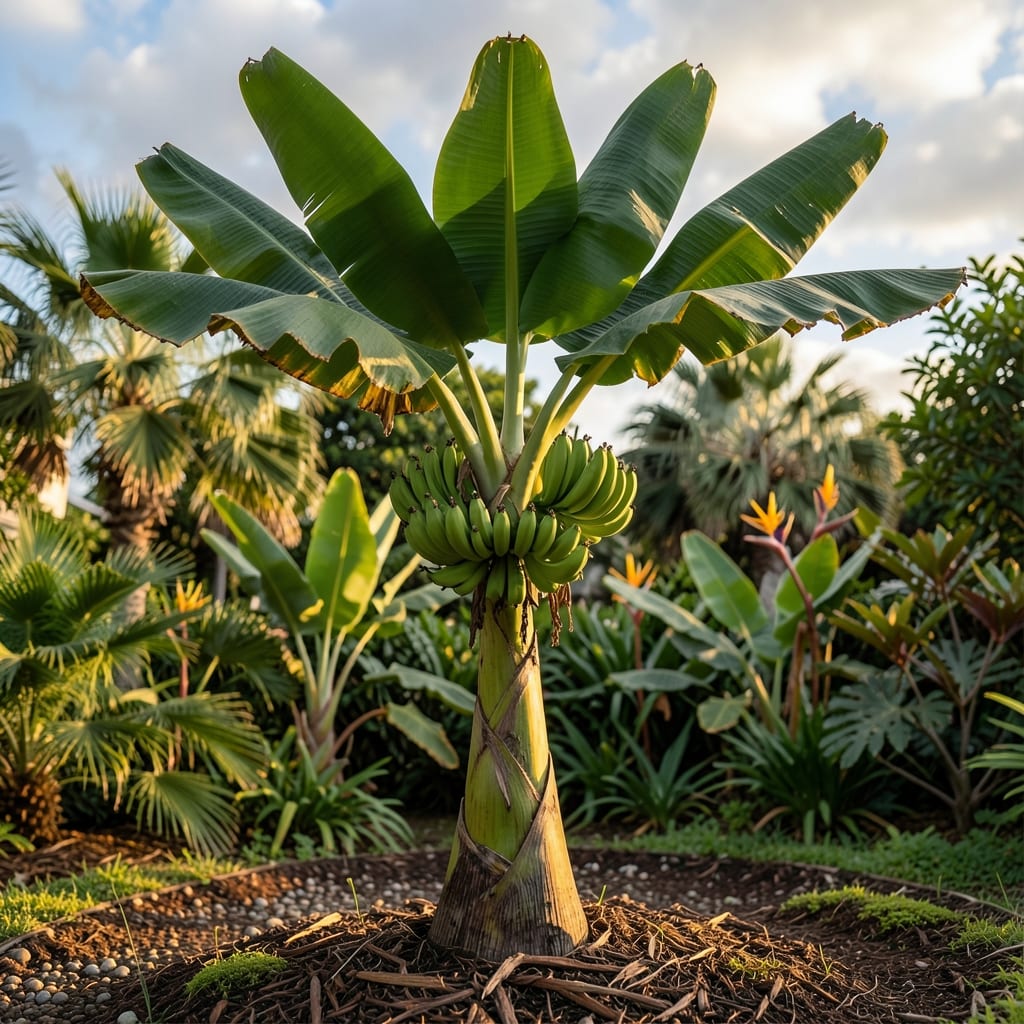
If you’ve ever wondered just how tall do banana plants grow, you’re about to discover a surprising range—from waist-high dwarfs to towering giants that dwarf your two-story house! 🍌 These tropical plants aren’t just about fruit; their height dramatically impacts how you’ll grow, care for, and even harvest them.
Picture this: a 6-foot banana plant snug in your backyard versus a 25-foot monster stretching toward the sky. The difference isn’t just in aesthetics—it changes everything from staking needs to wind resistance. Whether you’re dreaming of a compact container banana or a full-size tropical giant, knowing these height variations is the key to success.
In this guide, we’ll break down the exact heights of popular varieties, from the Dwarf Cavendish (perfect for small spaces) to the Lady Finger and beyond. You’ll also learn how climate, soil, and sunlight play a role in shaping your banana’s ultimate stature—and how to give it the best shot at reaching its potential.
Ready to plan your garden layout or pick the perfect banana for your space? Let’s dive into the world of banana heights and find the one that fits your life—and your yard!


Banana plant height by variety: dwarf to giant species compared
Banana plants are famous for their dramatic growth, but did you know some varieties stay small enough for containers while others reach the height of a two-story building? The height of a banana plant depends entirely on the variety you choose, with dwarf types perfect for urban gardens and giant commercial varieties dominating tropical farms.
If you're planning your garden layout, knowing these height differences is crucial. A Dwarf Cavendish might fit nicely on your patio, while a Gros Michel could overwhelm your backyard unless you have space to spare. Let’s break down the most common banana plant heights to help you decide which one suits your growing conditions and available space.
| Variety | Mature Height | Ideal Growing Zone | Notes |
|---|---|---|---|
| Dwarf Cavendish | 6–10 ft | USDA Zones 10–12 | Compact, great for containers; produces small, sweet bananas. |
| Lady Finger (Ice Cream) | 10–15 ft | USDA Zones 9b–12 | Semi-dwarf; produces long, slender bananas; popular in home gardens. |
| Red Dacca | 12–18 ft | USDA Zones 10–12 | Tall but sturdy; produces red bananas with a rich flavor. |
| Gros Michel | 18–25 ft | USDA Zones 10–12 | Historical commercial variety; requires strong support and space. |
| Blue Java | 15–20 ft | USDA Zones 10–12 | Hardy and productive; tolerates cooler temps better than most varieties. |
The Dwarf Cavendish is a favorite among urban gardeners because it stays under 10 feet tall, making it ideal for containers or small backyards. Meanwhile, varieties like the Gros Michel or Blue Java can soar to 20+ feet, requiring sturdy staking and ample space. If you're growing bananas in cooler climates (Zone 9b), the Blue Java is a great choice for its resilience and moderate height.
Height isn’t just about space—it also affects how you care for your banana plant. Taller varieties need stronger support to prevent toppling, while dwarf types can thrive in containers or hanging baskets. The Lady Finger variety, for example, strikes a balance at 10–15 feet, making it a top pick for home gardens with moderate space.
For those in USDA Zones 10–12, where banana plants can grow year-round, consider your local climate when choosing a variety. Coastal areas with high humidity may suit taller varieties like Gros Michel, while inland regions with hotter, drier conditions might benefit from the drought-tolerant Blue Java. Always check your microclimate—even within the same zone, temperature and wind patterns can vary significantly.
If you're a beginner, start with a dwarf or semi-dwarf variety like the Lady Finger or Dwarf Cavendish. These plants are easier to manage, produce fruit faster, and give you a chance to practice banana plant care without the challenges of a 20-foot giant. Plus, their smaller size makes them perfect for experimenting with container growing or even indoor gardening in greenhouses.
One common misconception is that banana plants grow continuously like trees. In reality, they’re herbaceous plants with a pseudo-stem made of tightly packed leaves. After producing fruit, the plant will die back, but not before sending out suckers (pups) from the base, which you can transplant to grow new plants. This means even tall varieties like Gros Michel won’t permanently dominate your garden—they’ll eventually be replaced by their offspring!
When planning your garden, leave at least 10 feet of clearance around taller banana plants to accommodate their leaf spread, which can reach nearly as wide as they are tall. For dwarf varieties, 6 feet of space is usually sufficient. If you're growing bananas in containers, choose a pot that’s at least 18 inches in diameter and 2 feet deep to support root growth without restricting it.
Finally, remember that height isn’t the only factor to consider. Some varieties produce fruit faster or yield more bananas per plant, while others are more resistant to pests or diseases. Always match your banana plant variety to your growing conditions
How growth height affects banana plant care and harvesting
Taller banana plants aren't just showstoppers—they demand specialized care to thrive. A 20-foot Cavendish variety needs different support than a 6-foot dwarf, and their fruit production also shifts dramatically. Understanding these differences helps you avoid common pitfalls like wind damage or poor fruiting.
For starters, tall varieties (18+ ft) require staking or trellising early in their growth cycle. Without support, their pseudo-stems can flop under the weight of heavy bunches, often weighing 50+ pounds. Even semi-dwarf types (12-18 ft) benefit from light bamboo stakes to guide their growth.
🚨 INSERT VISUAL ELEMENT HERE 🚨
⚠️ Height-Related Care Mistakes to Avoid
- Ignoring staking: Tall plants without support risk stem breakage during storms or heavy fruiting.
- Over-pruning: Cutting too many leaves reduces photosynthesis, stunting fruit development.
- Underwatering tall plants: The top leaves can't reach water in the soil, causing leaf scorch.
Pro Tip: Mulch heavily around the base to retain moisture for deep roots.
Height also impacts harvesting logistics. Tall varieties produce fruit 10-15 feet off the ground, requiring ladders or harvest poles. Dwarf varieties, while easier to reach, may yield smaller bunches (10-20 fruit) compared to giants with 100+ fruit per hand. Timing is critical—wait too long, and the fruit splits from over-ripening.
Pest risks escalate with height. Tall banana plants attract fruit flies and sigatoka fungus more easily due to poor air circulation. Prune lower leaves to improve airflow, and space plants 10+ feet apart for airflow. Dwarf varieties, while compact, still need regular fungicide sprays if humidity is high.
Finally, height affects overwintering strategies. In cooler zones (USDA 9b), tall plants may need winter mulching or even container relocation to protect roots. Dwarf varieties can sometimes survive light frosts if mulched heavily, but their pseudo-stems will die back—regrowing from the base in spring.
With the right adjustments, even 20-foot giants can thrive in home gardens. The key? Plan for their future height from day one—whether that means choosing a dwarf variety for containers or installing permanent trellises for tall types. 🌿