
Size
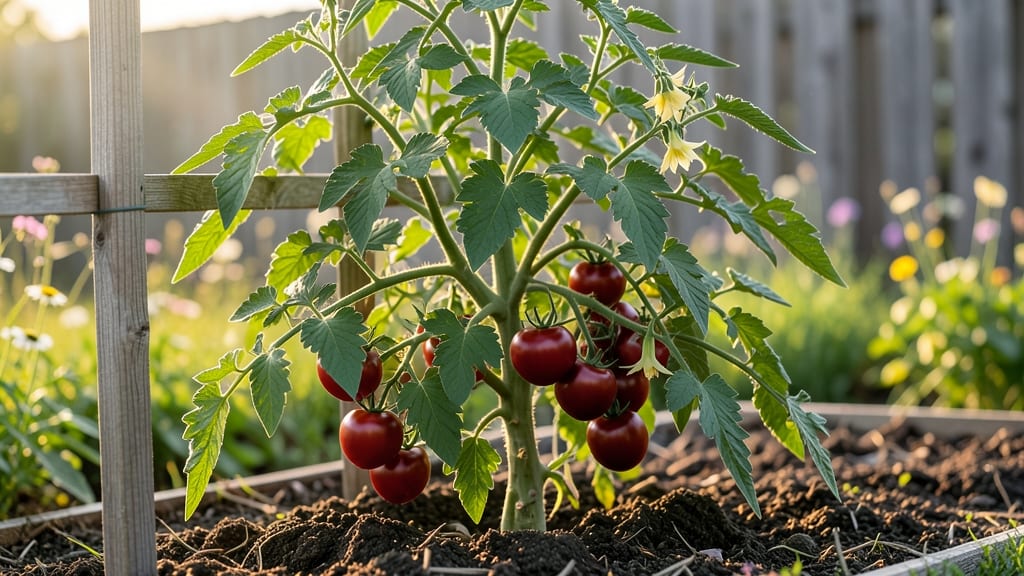
If you're growing the Cherokee Purple tomato, you might be wondering how tall this tomato variety can grow. The answer isn’t just about height—it’s about managing its sprawling vines to get the biggest, juiciest 🍅 harvest possible.
Without the right support, those vines can stretch 6 to 10 feet tall, turning your garden into a tangled mess if you're not prepared.
This heirloom tomato thrives when given space to climb, but that doesn’t mean you have to let it take over your backyard. The key is understanding its growth habits—whether you're using stakes, cages, or trellises—and how to prune it for better air circulation and fruit production.
With the right approach, you can keep those vines in check while still enjoying a bounty of rich, flavorful tomatoes.
Let’s break down what you need to know about Cherokee Purple’s mature height, how to control its growth, and why the right support system makes all the difference.
From staking techniques to pruning tips, I’ll show you how to turn this sprawling plant into a productive, space-efficient addition to your garden.
Ready to grow bigger, better tomatoes without the chaos? Let’s dive into the secrets of managing Cherokee Purple’s height so you can focus on what matters most—the harvest.


Cherokee Purple tomato height: how tall it grows and why it matters
The Cherokee Purple tomato is a legendary indeterminate variety that grows taller than most gardeners expect—often reaching heights of 6 to 10 feet if left unchecked. Unlike determinate tomatoes that bush out, Cherokee Purple sends up vigorous vines that need proper support to thrive.
Understanding its growth pattern helps you plan for vertical space, yield potential, and disease prevention.
This heirloom’s height is genetic—its wild ancestry contributes to its sprawling habit, but modern cultivation techniques can manage its growth effectively. Without support, vines can sprawl 10+ feet, while pruned and staked plants typically max out at 6–8 feet.
The key is balancing height control with fruit production—too much pruning reduces yield, but neglect leads to fungal diseases and broken stems.
🌱 Cherokee Purple Tomato Growth Summary
| Growth Factor | Details |
|---|---|
| Mature Height | 6–10 ft (unpruned); 4–6 ft (pruned) |
| Growth Type | Indeterminate (continuous vining) |
| Days to Maturity | 75–90 days |
| Vertical Space Needs | Trellis or 6–8 ft stake required |
| Yield Impact | Pruned plants produce larger fruit with better air circulation |
One reason Cherokee Purple grows so tall is its genetic vigor. Originally bred for flavor and disease resistance, this variety prioritizes vine expansion over bushy growth. In container gardens, vines may grow 3–5 feet shorter due to root restrictions, but they’ll still climb if given support.
The trade-off? Vertical growth means more fruit production—each vine can yield 10–20 lbs of tomatoes if managed well.
Height also affects harvest efficiency. Taller plants force you to reach or bend, increasing the risk of back strain and fruit damage. Proper support systems (like trellises) keep vines at a harvest-friendly height while improving airflow to reduce blight.
Without support, vines flop, leading to rotting fruit and pests hiding in dense foliage.
Climate plays a role too. In warmer zones (USDA 8–10), Cherokee Purple may grow faster and taller due to longer growing seasons.
In cooler climates (USDA 5–7), vines grow slower but still tall—plan for 6–8 feet even if the season is shorter. Pruning in early summer can stunt height by 1–2 feet while boosting fruit size.
If you’re growing Cherokee Purple in a small-space garden, consider espalier training—this technique flattens vines against a fence or wall, reducing width while maintaining height. Even in urban containers, a 5-foot trellis can support a productive plant. The goal? Control height without sacrificing yield.
Pro tip: Monitor vine growth weekly and adjust supports as needed. A 6-foot stake may become 8 feet by midsummer—check for stem strength and add ties if vines sag.
Weak stems can snap under fruit weight, leading to lost harvests. Prune suckers early (those little shoots in leaf axils) to redirect energy to fruit rather than height.
Remember, Cherokee Purple’s height is a feature, not a flaw. With the right support and pruning, you’ll enjoy bountiful harvests while keeping your garden organized and disease-free. The secret? Balance growth with care—let it climb, but don’t let it run wild.
Now that you know how tall Cherokee Purple can grow, the next step is choosing the right support system. Should you go for stakes, cages, or a trellis?
We’ll break down the best options in the next section to maximize height control without losing those juicy, deep-red tomatoes.
Cherokee Purple tomato height: how tall it grows and why it matters
The Cherokee Purple tomato is an indeterminate variety, meaning it won’t stop growing until frost kills it. Without support, its vines can stretch 6–10 feet tall, creating a lush, sprawling plant that needs space to thrive.
This height isn’t just about aesthetics—it directly impacts your harvest yield, disease risk, and how easy it is to pick those beefsteak-sized tomatoes.
Most gardeners see vines 3–5 feet tall by mid-summer, with some reaching 8+ feet in ideal conditions. The key? Understanding its genetic growth pattern and how to guide it vertically.
Left unchecked, these vines can overwhelm small gardens or create tangled messes that block sunlight from lower leaves—leading to blossom end rot or poor fruit set.
Here’s what you need to know about its growth habits and why managing height pays off:
| Growth Stage | Height Range | Key Notes |
|---|---|---|
| Seedling | 6–12 inches | Fast vertical growth; needs early support. |
| Early Summer | 3–5 feet | Critical pruning window to control sprawl. |
| Peak Growth | 6–10 feet | Max yield with proper trellising; monitor for pests. |
| Frost Risk | Varies by zone | Harvest before first frost; vines die back naturally. |
Genetics play a huge role in height—Cherokee Purple’s vines are longer than most heirlooms due to its wild tomato ancestry. This means it thrives in vertical gardens but struggles in compact cages if not pruned.
The trade-off? More vertical growth often means bigger fruit and longer harvest windows, but only if you manage it right.
Uncontrolled height also increases pest and disease exposure. Tall, dense vines trap moisture, creating perfect conditions for blight or aphid infestations. Pruning to 4–6 feet improves air circulation and makes harvesting easier—no more bending or reaching into tangled foliage.
Plus, shorter vines produce earlier fruit since energy isn’t wasted on excessive leaf growth.
For container growers, height becomes even more critical. A 5-gallon pot limits roots, so vines may max out at 4–5 feet unless you use espalier training.
In-ground plants, however, can double that height if given room. The secret? Start supporting vines early—even a 3-foot bamboo stake at planting time prevents future struggles.
Remember: Height isn’t the enemy—it’s about harnessing it. With the right support and pruning, you’ll turn those 10-foot vines into a high-yielding, disease-resistant powerhouse. The goal? More tomatoes, less chaos. 🌱