
Size
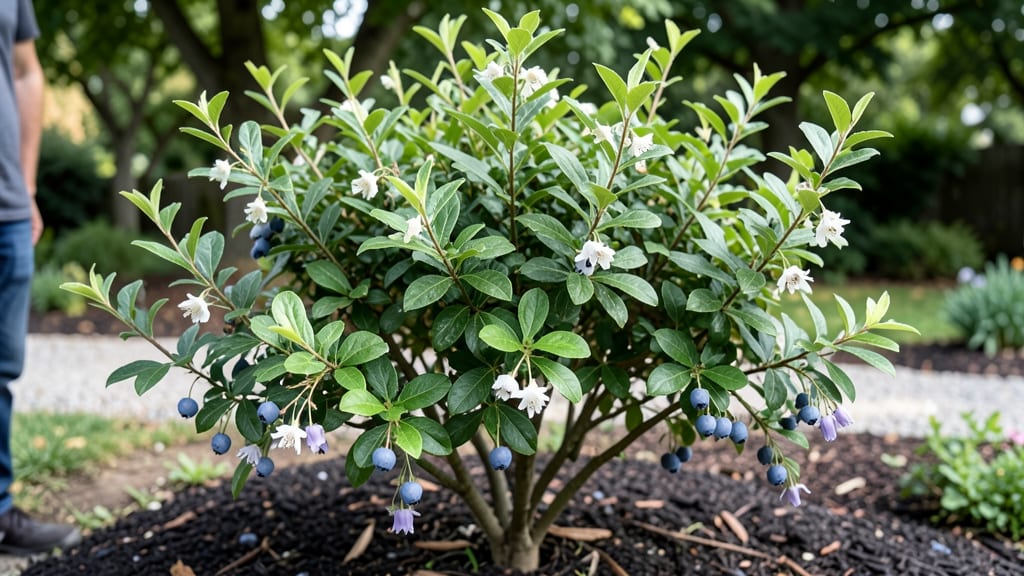
If you're wondering "how tall does blueberry grow", the answer might surprise you—these shrubs can range from compact 2-foot dwarfs to towering 12-foot giants, depending on the variety. That means whether you've got a tiny balcony or a sprawling backyard, there's a perfect blueberry 🫐 for your space.
The key to choosing the right size starts with understanding your garden's layout. Dwarf varieties like 'Top Hat' stay under 4 feet, making them ideal for containers or small plots, while standard types like 'Rabbiteye' can reach 10 feet or more.
Even the height affects how you prune and care for them, so picking the right fit saves you headaches down the road.
Here's the good news: height doesn't have to limit your harvest. With smart pruning techniques, you can control growth and actually boost fruit production—whether you're working with a 3-foot bush or a 10-foot giant. I'll show you exactly how to manage size while keeping those berries coming.
Ready to pick the perfect blueberry for your space? Let's break down the options so you can plant with confidence—no guesswork required.


Blueberry bush height by variety: dwarf vs standard vs giant sizes compared
Blueberry bushes come in a stunning range of sizes—from compact dwarfs perfect for containers to towering giant varieties that need serious space.
If you’re wondering, "How tall do blueberry bushes grow?", the answer depends entirely on the cultivar you choose. Standard varieties like 'Bluecrop' can reach 6-12 feet tall, while dwarf types like 'Top Hat' stay a manageable 2-4 feet high.
Even within these categories, growth habits vary based on pruning, soil conditions, and climate.
For gardeners with limited space, dwarf blueberries are a game-changer. These varieties are bred to stay small but still produce abundant fruit. Meanwhile, standard and giant varieties thrive in rural settings or large backyard gardens, where their height contributes to a lush, natural landscape.
Understanding these differences helps you plan plant spacing, pruning schedules, and even container sizes for potted plants.
| Variety Type | Mature Height | Best For | Spacing Needs | Fruit Production |
|---|---|---|---|---|
| Dwarf (e.g., 'Top Hat', 'Peach Sorbet') | 2-4 ft | Containers, small gardens, patios | 3-4 ft apart | High (smaller bush = more focus on fruit) |
| Semi-Dwarf (e.g., 'Patriot', 'Chester') | 4-6 ft | Raised beds, small yards, urban gardens | 5-6 ft apart | Very High (balanced growth) |
| Standard (e.g., 'Bluecrop', 'Jersey') | 6-12 ft | Large gardens, rural homesteads | 8-10 ft apart | High (large canopy = more berries) |
| Giant (e.g., 'Rabbiteye', 'Climax') | 10-15 ft | Orchards, farmland, large estates | 12-15 ft apart | Very High (massive yield potential) |
One common misconception is that taller blueberry bushes always produce more fruit. While standard and giant varieties can yield hundreds of pounds of berries annually, dwarf varieties often deliver a higher concentration of fruit per square foot.
This makes them ideal for small-space gardeners or those using container gardening. For example, a 3-foot-tall 'Top Hat' can produce just as many berries as a 6-foot 'Bluecrop' but in a fraction of the space.
Another factor influencing height is the blueberry bush’s growth habit. Some varieties, like 'Duke', grow upright and can reach 10+ feet without pruning, while others, like 'Sunshine Blue', have a more spreading, bushy form that stays shorter.
If you’re planting in USDA Zones 4-7, where winters are colder, dwarf varieties are often hardier and easier to manage. In warmer climates like Zones 8-10, standard varieties may grow taller but require regular pruning to control their size.
For container gardening, always choose dwarf or semi-dwarf varieties. A 5-gallon pot can comfortably hold a 2-3 foot 'Peach Sorbet', while a 15-gallon container might accommodate a 4-foot 'Patriot'.
If you’re planting in the ground, standard varieties need ample root space, so avoid crowding them near fences or structures. Giant varieties, like 'Rabbiteye', are best suited for orchard-style planting with 12+ feet between bushes.
One pro tip for managing height is to prune in late winter before new growth begins. This encourages bushier, more compact growth and prevents overly tall canopies. For standard varieties, aim to keep the bush 4-5 feet tall to improve air circulation and reduce disease risk.
With dwarf varieties, minimal pruning is needed—just remove dead or overcrowded branches to maintain their neat, compact shape.
If you’re a beginner gardener, starting with a dwarf variety is often the best
Blueberry bush height by variety: dwarf vs standard vs giant sizes compared
Blueberry bushes come in a surprising range of heights, from compact dwarf varieties perfect for containers to towering standard bushes that need ample garden space. The height of your blueberry plant directly impacts your garden layout, pruning needs, and even fruit production.
For example, a Top Hat blueberry might stay under 4 feet tall, while a Rabbiteye variety can reach 12 feet or more. Understanding these differences helps you choose the right variety for your space and goals.
Most blueberry bushes take 3-5 years to reach their mature height, with dramatic growth spurts in their first two years. A standard blueberry bush typically matures between 6-12 feet tall, while semi-dwarf varieties stay between 4-6 feet.
Even within these categories, individual plants can vary by 1-2 feet depending on growing conditions. This variability is why knowing your specific variety’s expected height is crucial before planting.
| Variety Type | Mature Height | Best For | Spacing Needs |
|---|---|---|---|
| Dwarf (e.g., Top Hat, Sunshine Blue) | 2-4 ft | Containers, small gardens, urban yards | 3-4 ft apart |
| Semi-Dwarf (e.g., Bluecrop, Duke) | 4-6 ft | Raised beds, small in-ground plots | 5-6 ft apart |
| Standard (e.g., Rabbiteye, Jersey) | 6-12 ft | Large gardens, rural properties | 8-10 ft apart |
| Giant (e.g., some wild types) | 10-15 ft | Wild areas, large estates | 12+ ft apart |
Height isn’t just about aesthetics—it affects fruit production and care requirements. Taller bushes like Rabbiteye blueberries produce larger yields but require more space and support for their weight.
Meanwhile, dwarf varieties like Sunshine Blue ripen earlier and are easier to harvest, making them ideal for container gardening or small balconies. Even within the same variety, proper pruning can reduce height by 20-30% without sacrificing fruit quality.
If you’re growing blueberries in containers, focus on dwarf or semi-dwarf varieties that stay under 5 feet tall. These work beautifully in 5-gallon pots or raised beds, provided you use a well-draining, acidic soil mix.
For in-ground planting, standard varieties thrive but need 8+ feet of spacing to avoid crowding, which can lead to disease pressure and reduced yields. Always check your specific variety’s tag for exact height expectations—this small detail can save you from overcrowding or underutilized space.
One common misconception is that taller blueberry bushes always produce more fruit. In reality, well-pruned dwarf varieties can yield just as much per square foot as larger bushes. The key is maintaining an open canopy to maximize sunlight exposure and air circulation.
For example, a Top Hat blueberry in a 12-inch pot can produce 2-3 pounds of berries annually with proper care—comparable to a standard bush in a large garden. This makes dwarf varieties a smart choice for urban gardeners or those with limited space.
When selecting your blueberry variety, also consider your climate zone and pollination needs. Some taller varieties, like Rabbiteye blueberries, are better suited for southern climates (USDA zones 7-9), while northern highbush varieties (like Bluecrop) thrive in cooler regions.
Even within the same height category, cold-hardiness varies—always match your variety to your local growing conditions for the best results. With the right choice, you can enjoy fresh blueberries regardless of your garden’s size!