
How To
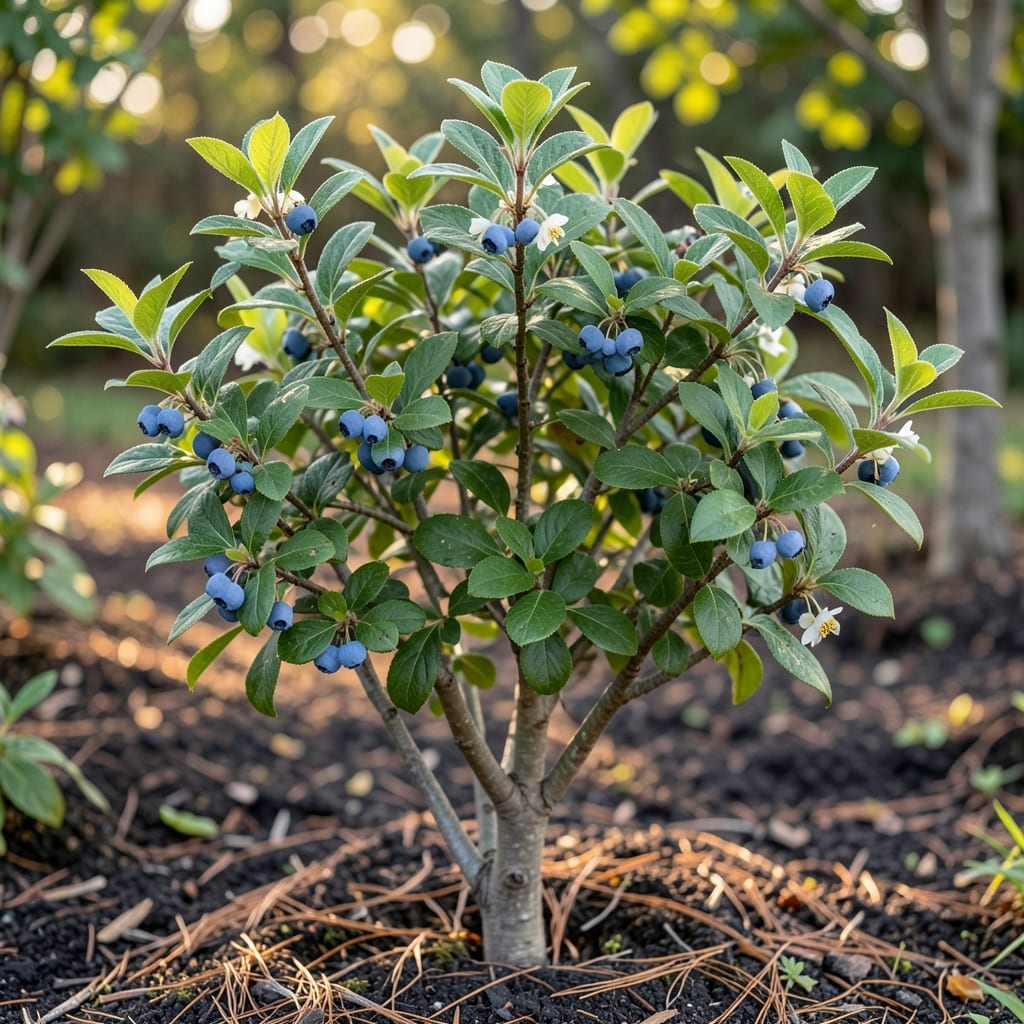
Blueberry bush height by variety: dwarf vs standard vs giant sizes
Blueberry bushes come in a staggering range of heights, from dwarf varieties that stay under 4 feet to towering standard bushes reaching 12 feet. The right choice depends on your space, climate, and whether you want easy harvests or abundant yields. Let’s break down the most popular types and their space requirements.
First, dwarf blueberries are perfect for containers, small yards, or urban gardens. Varieties like ‘Top Hat’ and ‘Peach Sorbet’ max out at 2–4 feet, making them ideal for patios or balcony gardens. These compact plants also produce fruit earlier—sometimes within 2 years—so you won’t wait long for that first harvest!
Next, semi-dwarf varieties strike a balance with heights of 4–6 feet. Examples include ‘Bluecrop’ and ‘Duke’, which thrive in USDA Zones 4–7 and deliver heavy yields without overwhelming your landscape. They’re great for backyard gardens with moderate space.
For larger properties or commercial growers, standard blueberry bushes dominate with heights of 6–12 feet. Varieties like ‘Jersey’ and ‘Patriot’ need ample room to spread and perform best in full sun with well-draining, acidic soil. These giants produce thousands of berries per season but require regular pruning to maintain health.
Finally, lowbush blueberries (like ‘Lowbush’ or ‘Pawnee’) stay under 2 feet and are native to cooler climates. They’re wild-type plants with smaller berries but exceptional cold hardiness, making them ideal for Zone 3–5 gardens. Their low height makes them perfect for ground covers or wildlife-friendly landscapes.
🌱 Pro Tip: Always check the mature height and spread of a variety before planting. Some bushes (like ‘Bluegold’) can spread 6–8 feet wide, so leave plenty of space!
| Variety Type | Mature Height | Spread | Best For | USDA Zones |
|---|---|---|---|---|
| Dwarf (e.g., 'Top Hat') | 2–4 ft | 3–4 ft | Containers, small yards | 4–8 |
| Semi-Dwarf (e.g., 'Bluecrop') | 4–6 ft | 5–6 ft | Backyards, urban gardens | 4–7 |
| Standard (e.g., 'Jersey') | 6–12 ft | 6–10 ft | Large gardens, farms | 5–9 |
| Lowbush (e.g., 'Pawnee') | 1–2 ft | 3–4 ft | Wildlife habitats, cold climates | 3–5 |
Choosing the right variety isn’t just about height—it’s also about berry flavor, harvest season, and pollination needs. For example, ‘Bluecrop’ (semi-dwarf) produces large, sweet berries in late summer, while ‘Duke’ (also semi-dwarf) ripens earlier and thrives in hot climates. Always cross-reference varieties with your local climate and sunlight exposure.
If you’re working with limited space, dwarf varieties are your best bet—but don’t underestimate their productivity! Some 2-foot-tall bushes yield just as much as their taller cousins when given proper care. Pair your blueberries with companion plants like borage or thyme to maximize space efficiency and improve soil health.
🌿 Remember: Blueberry bushes grow 3–5 feet per year in ideal conditions. If you plant a standard variety in a small yard, plan for annual pruning to keep it manageable. Over time, unpruned bushes can become woody and less productive, so stay proactive!
For container growing, opt for d
Pruning techniques to control blueberry bush height and shape
Pruning is the secret weapon for keeping blueberry bushes at your desired height while boosting fruit production. Whether you’ve got a 6-foot semi-dwarf or a 12-foot standard, strategic trimming ensures your plants stay compact, healthy, and productive. The key is timing—prune at the right season and with the right techniques to avoid stressing your bushes.
For dwarf varieties like ‘Top Hat’, light pruning is all you need. Focus on removing dead or crossing branches in late winter or early spring, just before new growth begins. This keeps their height under 4 feet while encouraging bushier growth. Semi-dwarf varieties, such as ‘Bluecrop’, benefit from annual pruning to maintain their 4–6 foot stature and improve airflow, reducing disease risk.
🌱 Pro Tip: Always use clean, sharp pruners to make 45-degree cuts just above a bud or branch collar. Avoid leaving stubs, as they can attract pests and diseases. Sterilize your tools with rubbing alcohol between cuts to prevent spreading pathogens.
-
1Prune in late winter or early spring (before buds swell) to shape the bush and remove dead or diseased wood. This is the best time for major structural pruning.
-
2Remove up to 1/3 of the oldest wood each year to encourage new growth and fruit production. Older branches produce fewer berries, so thinning them out keeps your bush productive and compact.
-
3Thin out crowded branches to improve air circulation and reduce fungal diseases. Aim for a balanced shape with an open center to allow sunlight to reach all parts of the bush.
-
4Lightly prune after harvest (summer) to remove any weak or overcrowded growth. This keeps the bush manageable and prevents it from becoming too leggy before winter.
-
5Avoid heavy pruning in fall or winter when the bush is dormant. This can stress the plant and reduce next year’s fruit set. Save major pruning for late winter when new growth is about to begin.
If your blueberry bush has outgrown its space, don’t panic—you can gradually reduce its height over 2–3 years. For example, if a 6-foot ‘Bluecrop’ has become 8 feet tall, prune back 1–2 feet each year until it reaches your desired height. Always prioritize removing older wood first, as younger branches will produce more fruit.
🪴 Warning: Over-pruning can stress your bush and reduce fruit production. Never remove more than 1/3 of the plant in a single year, and avoid cutting into old, established branches, as they provide structural support. For standard varieties, focus on shaping rather than drastic height reduction.
For container-grown blueberries, pruning is even more critical to maintain compact growth. Regularly pinch back new growth in early summer to encourage bushier, more manageable plants. Container bushes also benefit from annual root pruning—gently tease the roots when repotting to stimulate new root growth and keep the plant healthy and contained.