Size
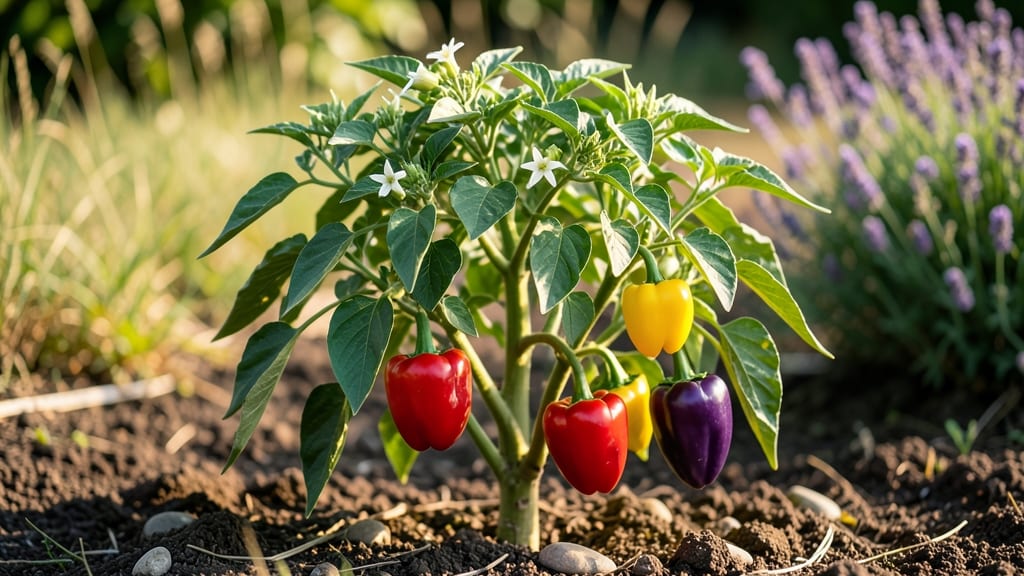
If you're planning your garden layout this spring, knowing how tall bell pepper plants grow could save you from overcrowding or wasted space. These 🌶️ plants come in surprising varieties—some stay compact while others reach nearly waist-high, and getting the spacing right makes all the difference in your harvest.
Most home gardeners grow standard bell pepper varieties that top out between 2 and 4 feet, but the real secret lies in understanding the difference between bush and trellis types.
Bush varieties like 'California Wonder' stay shorter and stockier, while trellis-friendly 'Jupiter' can climb higher with proper support—meaning your spacing needs change dramatically depending on what you plant.
Why does this matter? Too little room means poor airflow and disease risks, while giving them extra space can boost yields by up to 30%. I’ll break down the exact spacing you need for both types, plus pro tips for container gardening if your space is limited.
Whether you're a first-time gardener or a seasoned grower, mastering these spacing secrets will help you grow healthier, happier bell peppers—without the guesswork. Let’s dive into the details so you can plan your garden like a pro.


Bell pepper plant height by variety: bush vs. trellis growth differences
When planning your garden, knowing how tall bell pepper plants grow helps you choose the right variety and spacing. Most bell peppers reach 2 to 4 feet tall, but the difference between bush and trellis varieties can change your entire layout.
Bush types like 'California Wonder' stay compact, while trellis varieties like 'Jupiter' can climb higher with support.
Height isn’t just about space—it also affects airflow, sunlight exposure, and yield. Tall varieties need staking or cages, while bush types thrive in tight rows. Understanding these differences ensures your peppers grow strong and productive, not crowded or leggy.
Here’s how bell pepper plant height varies by type, along with key details to help you plan:
| Variety Type | Mature Height | Growth Habit | Spacing Needs | Best For |
|---|---|---|---|---|
| Bush (Determinate) | 18–36 inches | Compact, rounded | 18–24 inches apart | Containers, small gardens |
| Trellis (Indeterminate) | 3–5 feet (with support) | Vining, vertical | 12–18 inches apart | Vertical gardens, trellises |
| Dwarf Varieties | 12–24 inches | Bushy, low-growing | 12–16 inches apart | Balconies, small pots |
Bush varieties like 'Early California' or 'Sweet Banana' stop growing once they flower, making them ideal for small gardens or containers. Their 18–36-inch height keeps them manageable, but they need 18–24 inches of space between plants to prevent crowding.
On the other hand, trellis varieties like 'Aristotle' or 'Jupiter' grow 3–5 feet tall with support, producing peppers all season long. These indeterminate types benefit from vertical training, saving garden space while increasing yield. Without support, they can flop and develop diseases.
If you’re growing in containers or small spaces, dwarf varieties like 'Snackable' or 'Pico de Gallo' stay under 2 feet tall and thrive in 5-gallon pots. Their compact size makes them perfect for patios or windowsills, but they still need full sun and consistent watering.
Pro tip: Check seed packets for mature height estimates—some hybrid varieties may exceed standard ranges. For example, 'Carmen' can reach 4 feet tall with proper care, while 'Lunchbox' stays under 2 feet. Match your variety to your space and support system for the best results.
Understanding these height differences helps you avoid overcrowding or wasted space. Next, we’ll dive into optimal spacing secrets to maximize your bell pepper harvest.
Bell pepper plant height by variety: bush vs. trellis growth differences
Bell pepper plants come in two main growth types: determinate (bush) and indeterminate (trellis), each with distinct height ranges that impact your garden layout. Bush varieties like 'California Wonder' typically reach 24–36 inches tall and grow in compact shapes, making them ideal for containers or small gardens. Trellis varieties, such as 'Jupiter' or 'Aristotle', can climb 4–6 feet tall with proper support, stretching vertically for higher yields in limited spaces.
Understanding these differences helps you plan spacing, sunlight exposure, and even harvest strategies. For example, bush types produce peppers all at once, while trellis varieties offer a staggered harvest over weeks. Let’s break down the specifics to help you choose the right variety for your space.
| Variety Type | Mature Height | Growth Habit | Best For |
|---|---|---|---|
| Determinate (Bush) | 24–36 inches | Compact, rounded | Containers, small gardens |
| Indeterminate (Trellis) | 4–6 feet | Vining, vertical | Vertical gardens, limited space |
| Dwarf Varieties | 12–18 inches | Miniature, bushy | Window boxes, patios |
If you’re growing bush varieties, aim for 18–24 inches of spacing between plants to prevent overcrowding and improve air circulation. This spacing also reduces competition for nutrients, leading to healthier plants and higher-quality peppers.
For trellis varieties, you can space them 12–18 inches apart but provide sturdy trellises or cages to support their vertical growth.
Another key factor is pruning. Trellis varieties often benefit from pruning to control height and encourage bushier growth, while bush varieties typically require minimal pruning. Pruning also helps redirect energy toward fruit production rather than excessive foliage.
For example, removing suckers (side shoots) on trellis varieties can keep the plant within a manageable height while boosting pepper yields.
For container gardening, choose dwarf or bush varieties to maximize space efficiency. A 5-gallon container is ideal for bush types, while trellis varieties may need 10-gallon containers with trellis support. Always ensure containers have drainage holes to prevent root rot, a common issue in compact growing spaces.
Remember, soil quality and sunlight exposure also influence height. Well-draining, nutrient-rich soil and at least 6–8 hours of sunlight daily will help your bell peppers reach their full potential. Avoid over-fertilizing with nitrogen, as this can lead to lush foliage but fewer peppers.
With the right variety and care, your bell pepper plants will thrive—whether they’re reaching for the sky on a trellis or staying compact in a container. Happy growing! 🌱