
Size
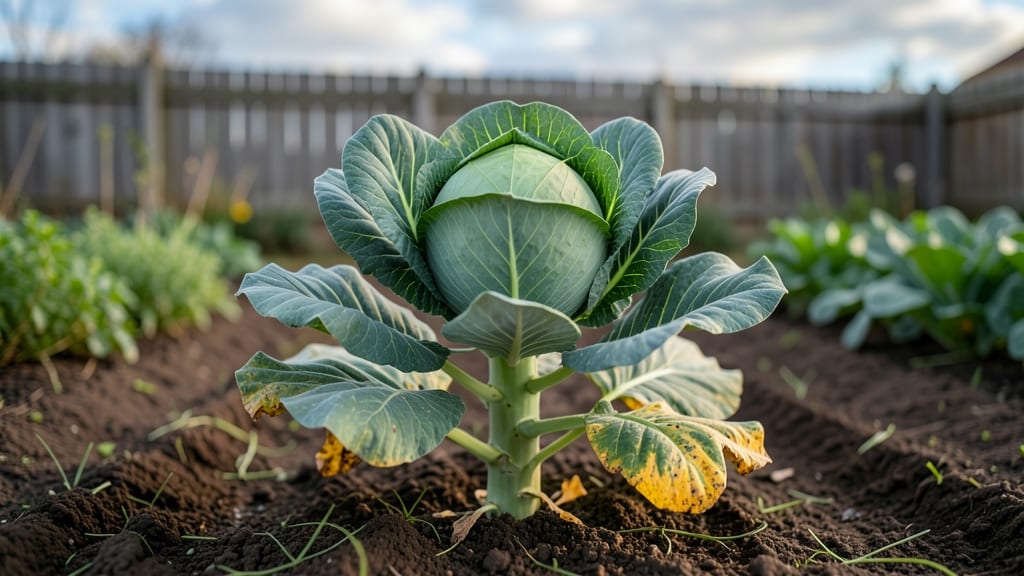
Wondering how tall do cabbage plants grow before they’re ready to harvest? The answer might surprise you—some varieties barely reach your knees, while others tower like small trees!
Whether you’re planning a backyard garden or squeezing in a few plants on a balcony, knowing these height ranges is the key to avoiding crowded, stunted plants or wasted space.
Most cabbage plants, like the classic green or red varieties, typically grow between 12 and 24 inches tall, forming tight heads that stay compact.
But don’t let those numbers fool you—dwarf varieties can stay as short as 8 inches, making them perfect for containers, while heirloom or loose-leaf types might stretch toward 2 feet or more.
The difference isn’t just about aesthetics; it directly impacts how you space, prune, and even harvest your 🥬.
If you’re working with limited space, you’ll want to pay attention to these height variations—especially if you’re growing multiple varieties together. Tall cabbages need room to breathe, while dwarf types can be planted closer together or even stacked vertically.
I’ll show you how to maximize your garden’s potential without sacrificing yield, whether you’re dealing with a sprawling backyard or a cozy windowsill setup.
Ready to turn your cabbage patch into a well-organized, high-yielding space? Let’s dive into the specifics of cabbage heights by variety and the simple tricks to keep your plants happy—no matter how much (or little) room you’ve got to work with.


Cabbage plant height by variety: from dwarf to giant
Cabbage plants come in a surprising range of heights, from compact dwarf varieties perfect for containers to towering heirloom giants that need spacious beds. Understanding these differences helps you plan your garden layout and choose varieties that fit your space.
Most cabbages fall between 12 and 24 inches at maturity, but some can reach 3 feet or more!
Your cabbage's mature height depends on its genetic variety, growing conditions, and even your pruning habits. For example, Napa cabbage stays short and bushy, while Savoy cabbage varieties often grow taller with their distinctive crinkled leaves.
Let’s explore the height ranges so you can pick the perfect fit for your garden.
🌱 Visual Comparison: Imagine a dwarf cabbage sitting on your kitchen counter (about 1 foot tall) versus a standard variety reaching your waist (around 2 feet). The difference in spacing needs is dramatic!
| Variety | Height Range | Best For |
|---|---|---|
| Dwarf Green (e.g., 'Miniature Green') | 8–12 inches | Containers, small gardens |
| Semi-Dwarf (e.g., 'Golden Acre') | 12–18 inches | Raised beds, balcony gardens |
| Standard Green (e.g., 'Golden Ball') | 18–24 inches | Traditional gardens, large plots |
| Red Cabbage (e.g., 'Ruby Perfection') | 16–22 inches | Colorful gardens, long storage |
| Savoy (e.g., 'Nutribud') | 20–28 inches | Spacious beds, heirloom gardens |
| Napa (e.g., 'Tokyo Bekana') | 10–16 inches | Asian-inspired gardens, stir-fries |
| Heirloom Giant (e.g., 'Mammoth Red Rock') | 24–36 inches | Large plots, showpiece gardens |
🌱 Pro Tip: Check seed packets for exact heights—some dwarf varieties can stretch if over-fertilized!
If you're growing Napa cabbage or dwarf varieties, you’ll love their compact size—ideal for container gardening or urban plots. These stay under 16 inches and thrive in 5-gallon pots with proper drainage.
Meanwhile, heirloom giants like 'Mammoth Red Rock' need at least 2 feet of space in all directions to avoid competition.
Your cabbage's height also affects its growth habit. Taller varieties often develop larger heads but may need staking or support if they flop over in wind or rain. For example, Savoy cabbage varieties grow upright but can get top-heavy—consider cage supports if your garden is exposed.
For space-saving, choose round-headed varieties like 'Golden Ball' over long, cylindrical types. Round heads mature faster and fit neatly into tight spaces. If you’re short on vertical room, prune lower leaves to encourage upward growth and reduce sprawl.
One common mistake is overcrowding taller cabbages. Plant them 18–24 inches apart to prevent disease spread (like clubroot) and ensure each plant gets enough sunlight and nutrients. In small gardens, use interplanting—grow fast-maturing crops like radishes or lettuce between cabbage rows to maximize space.
🌿 Height Hack: If you love tall cabbages but lack space, try vertical gardening. Use trellis cages or hanging baskets for dwarf varieties, and train taller types to grow upward with lightweight stakes.
Finally, remember that soil fertility and watering habits can influence height. Over-fertilizing with nitrogen can make plants leggy and tall but weak-stemmed, while consistent moisture keeps them compact and sturdy. Aim for balanced fertilizer (like 10-10-10) and deep watering to encourage healthy, proportional growth.
Cabbage plant height by variety: from dwarf to giant
When planning your garden, knowing how tall do cabbage plants grow helps you choose the right varieties for your space. Most cabbage plants fall into three height categories: dwarf (8–12 inches), semi-dwarf (12–18 inches), and standard (18–24 inches).
These differences aren’t just about aesthetics—they directly impact spacing, container choices, and even how you prune your plants.
Dwarf varieties, like ‘Miniature Drumhead’ or ‘Golden Acre’, are perfect for containers or small gardens. Semi-dwarf types, such as ‘Red Express’ or ‘Savoy King’, strike a balance between compactness and yield.
Meanwhile, standard varieties like ‘Golden Ball’ or ‘Late Flat Dutch’ need more room to spread and grow taller, making them ideal for larger plots.
Here’s a quick comparison of popular cabbage varieties and their mature heights to help you plan your garden layout:
| Variety | Type | Mature Height | Best For |
|---|---|---|---|
| Miniature Drumhead | Dwarf | 8–12 inches | Containers, small gardens |
| Golden Acre | Dwarf | 10–14 inches | Early harvest, containers |
| Red Express | Semi-Dwarf | 12–18 inches | Balcony gardens, raised beds |
| Savoy King | Semi-Dwarf | 14–20 inches | Cold climates, long storage |
| Golden Ball | Standard | 18–24 inches | Large gardens, high yield |
| Late Flat Dutch | Standard | 20–24 inches | Late-season harvest |
If you’re growing loose-leaf cabbage varieties, like ‘Napa’ or ‘Chinese cabbage’, they often grow taller—sometimes up to 2 feet or more—but they don’t form tight heads. This makes them great for vertical gardening or interplanting with other crops.
For container gardening, stick to dwarf or semi-dwarf varieties in pots at least 12 inches deep and 12–18 inches wide. Standard varieties will need larger containers or in-ground planting to support their height and root spread.
Pro tip: If you’re growing multiple varieties, place taller cabbages on the north side of your garden to avoid shading shorter plants. This simple trick maximizes sunlight exposure for all your 🥬.