
Flowers
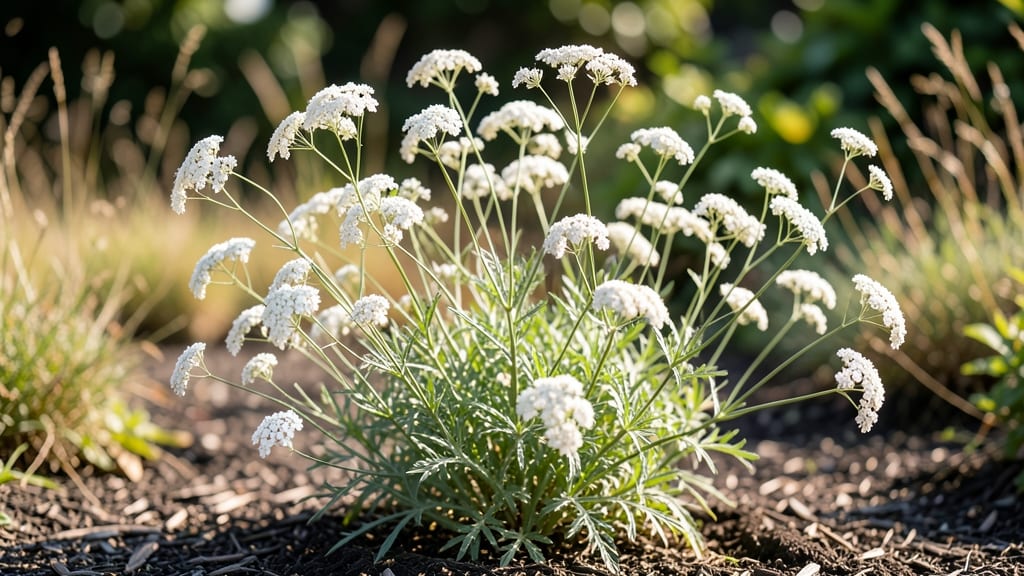
If you’ve ever wondered how tall does baby's breath grow in your garden, the answer might surprise you—this dainty 🌸 flower can range from just a few inches to over 3 feet tall, depending on the variety and care you provide.
Baby’s breath thrives in USDA Zone 6a and beyond, making it a versatile choice for spring gardens. Whether you’re planting it in March or April for a burst of delicate blooms or using it as a filler in bouquets, understanding its growth potential is key to maximizing its beauty.
From dwarf varieties that stay close to the ground to towering types that reach 4 feet, the height of your baby’s breath depends on factors like sunlight, soil, and pruning.
I’ll show you how to choose the right type for your space and care for it to reach its full height.
Ready to create lush borders or dramatic floral arrangements? Let’s dive into the secrets of growing baby’s breath at its best—whether you want it short and sweet or tall and striking.


Baby’s breath height ranges by variety: from tiny to towering
Baby’s breath (Gypsophila) comes in a stunning array of heights, from delicate ground-hugging varieties to towering wedding bouquet staples. The height you choose depends entirely on your gardening goals—whether you want cascading border plants or dramatic cut flowers.
Most varieties fall between 1 to 4 feet, but some dwarf types stay as short as 6 inches. Let’s explore the most popular varieties and their mature heights to help you pick the perfect fit for your space.
For wedding florists and event planners, the most common choice is Gypsophila paniculata, which typically reaches 3 to 4 feet tall. This variety is a favorite for adding airy volume to arrangements, but it also thrives in sunny garden borders.
If you’re working with limited vertical space, Gypsophila elegans (or "baby’s breath" for borders) usually tops out at 1 to 2 feet, making it ideal for rock gardens or container plantings.
Meanwhile, Gypsophila repens, a trailing variety, stays close to the ground, perfect for spiller arrangements or hanging baskets.
🌸 Baby’s Breath Height Comparison
| Variety | Mature Height | Best Uses | Notes |
|---|---|---|---|
| Gypsophila paniculata | 3–4 ft | Cut flowers, bouquets, tall borders | Needs staking for heavy blooms |
| Gypsophila elegans | 1–2 ft | Borders, containers, mixed beds | Drought-tolerant once established |
| Gypsophila repens | 6–12 in | Ground cover, spillers, rock gardens | Trailing habit; great for edges |
| Gypsophila muralis | 1–1.5 ft | Dry gardens, cottage-style plantings | Thrives in poor soil |
| Dwarf varieties (e.g., 'Flamingo') | 8–12 in | Containers, window boxes, fairy gardens | Compact and bushy |
If you’re growing baby’s breath for cut flowers, Gypsophila paniculata is your best bet—its tall, sturdy stems hold up well in arrangements. However, if you’re designing a low-maintenance border, Gypsophila elegans or Gypsophila muralis will give you long-lasting color without requiring staking.
For container gardens, dwarf varieties like 'Flamingo' add textural interest without overwhelming smaller spaces. Always check the seed packet or nursery tag for specific height ranges, as some hybrids can vary.
One key factor that influences height is growing conditions. Baby’s breath planted in full sun with well-draining soil will naturally reach its maximum potential height. However, if you’re growing it in partial shade or nutrient-poor soil, expect plants to stay shorter and bushier.
This is especially true for annual varieties, which may not reach their full height if planted late in the season. For perennial types, like Gypsophila repens, height can increase slightly each year as the plant establishes deeper roots.
For wedding and event designers, mixing heights is a pro tip! Pair tall Gypsophila paniculata (3–4 ft) with medium Gypsophila elegans (1–2 ft) to create dynamic arrangements that draw the eye upward.
In landscape design, use taller varieties as backdrop plants behind shorter perennials like lavender or catmint. If you’re growing baby’s breath in containers, choose dwarf varieties to prevent the pots from toppling over—especially in windy conditions.
Did you know that some baby’s breath varieties can double in height when grown in ideal conditions? For example, Gypsophila paniculata planted in rich, loamy soil with regular fertilization may exceed 4 feet, while the same variety in sandy soil might stay closer to 2 feet.
This flexibility makes baby’s breath a versatile choice for almost any garden style, from formal hedges to wildflower meadows. Just remember: the healthier the plant, the taller and fuller it will grow!
When selecting baby’s breath for your garden, also consider its spread. While height is important, width matters too—especially for ground covers or border plants. For instance, <
Baby’s breath height ranges by variety: from tiny to towering
Baby’s breath (Gypsophila) comes in a stunning array of heights, from delicate ground-hugging varieties to towering cut-flower giants. The right choice depends on your garden design—whether you need a border filler or a dramatic backdrop.
Let’s explore the most popular types and their mature heights to help you pick the perfect fit for your space.
For wedding florists and bouquet designers, taller varieties like Gypsophila paniculata are essential—they add volume and airiness to arrangements. Meanwhile, gardeners planting cottage-style borders often opt for shorter, sprawling types to create soft, cascading layers.
Knowing these height ranges ensures your baby’s breath thrives without overpowering (or getting lost in) your design.
🌱 Visual Guide: Baby’s Breath Height Comparison
| Variety | Mature Height | Best For | Notes |
|---|---|---|---|
| Gypsophila repens (Creeping Baby’s Breath) | 6–12 inches | Ground cover, rock gardens | Spreads aggressively; great for filling gaps. |
| Gypsophila elegans (Annual Baby’s Breath) | 12–24 inches | Cut flowers, borders | Popular for bouquets; blooms all summer. |
| Gypsophila paniculata (Bristly Baby’s Breath) | 2–4 feet | Backdrop plants, wedding arrangements | Tallest variety; needs staking for support. |
| Gypsophila muralis (Mural Baby’s Breath) | 6–12 inches | Container gardens, windowsills | Compact and bushy; ideal for small spaces. |
If you’re working with limited vertical space, varieties like Gypsophila repens or Gypsophila muralis are ideal—they stay low while still providing lush, cloud-like foliage. For dramatic height, Gypsophila paniculata is a showstopper, reaching up to 4 feet tall when given proper care.
This variety is a florist’s secret weapon for adding height to arrangements without overwhelming other flowers.
Pro tip: Dwarf varieties (like Gypsophila muralis) thrive in containers and window boxes, while taller types need well-draining soil and regular deadheading to encourage continuous blooming. Always check the seed packet or plant tag for specific height expectations—some varieties can vary by 6–12 inches depending on growing conditions.
For cut-flower growers, the 2–3 foot range (like Gypsophila elegans) strikes the perfect balance—tall enough to add structure but manageable for bouquet arrangements. Pair these with shorter filler flowers (like statice or alstroemeria) to create balanced, eye-catching designs.
No matter which variety you choose, proper spacing is key to preventing overcrowding, which can stunt growth and lead to pale, leggy stems. Aim for 12–18 inches of space between plants for medium-height types and 2–3 feet for taller varieties to ensure they reach their full potential.