
Vegetables
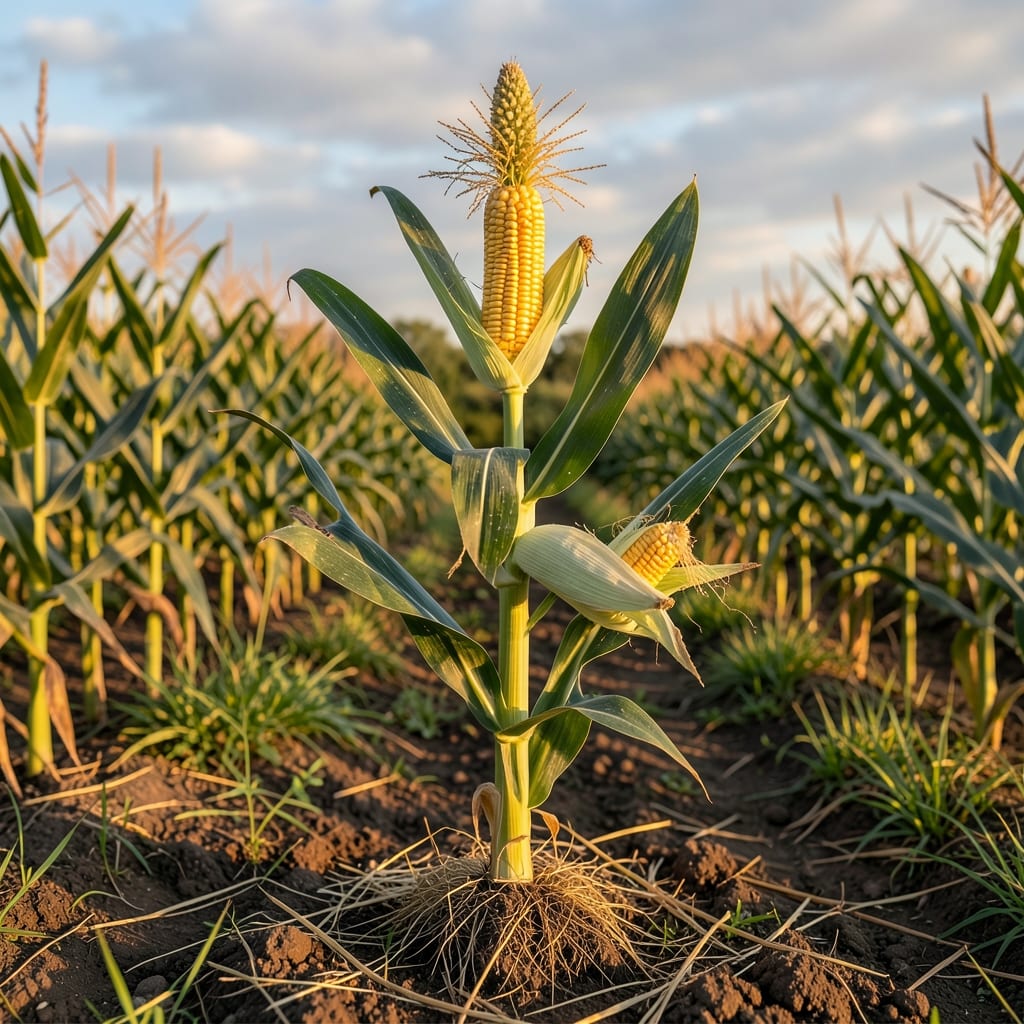
If you’ve ever stared at your 🌽 stalks wondering, "how tall corn grow" really depends on the variety—and your garden’s secret weapon could be right under your feet. Some varieties barely brush your knee, while others tower like skyscrapers, reaching heights that’ll make you question your garden’s ceiling.
Whether you’re dreaming of a backyard corn maze or just want to fit more plants in your plot, understanding these differences is game-changer for space planning. Sweet corn, field corn, and even ornamental types all have their own growth stories, and knowing which thrives in your zone (like 6a) can mean the difference between scrappy stalks and a harvest that feeds the neighborhood.
But here’s the kicker: even the tallest corn doesn’t have to dominate your garden. With the right tricks—like trellising or smart spacing—you can coax those sky-high varieties into cooperating, even in small spaces. Let’s break down the heights, the hacks, and how to keep your corn standing tall without stealing your yard.
From dwarf varieties that fit snugly in containers to giants that need room to stretch, we’ll cover everything you need to know. Plus, I’ll spill the secrets on what’s really stunting your corn’s growth—and how to fix it before it’s too late.


Corn variety height chart: from dwarf to giant stalks
Corn isn’t one-size-fits-all—its height can vary wildly depending on the variety you choose. Some barely reach your waist, while others stretch taller than a basketball hoop. Understanding these differences helps you plan your garden layout, whether you’re working with a small urban plot or a sprawling backyard. Let’s dive into the specifics so you can pick the perfect stalks for your space and goals.
Sweet corn, the kind we pop on the cob, typically ranges from 5 to 10 feet tall, but some varieties stay compact. Field corn, used for livestock feed, can grow even taller—sometimes exceeding 12 feet—while ornamental corn adds height with striking colors and textures. Knowing these ranges helps you avoid overcrowding or underutilized space in your garden.
Here’s the game-changer: dwarf varieties exist, perfect for containers or small gardens. These can stay as short as 3 to 5 feet, making them ideal for balconies or patios. Meanwhile, standard varieties like 'Golden Bantam' or 'Country Gentleman' hit that classic 6 to 10 feet mark, offering a balance of height and manageability.
If you’re growing corn in USDA Zone 6a, like many gardeners, you’ll want to focus on varieties that thrive in cooler climates. Some tall varieties might struggle in shorter seasons, so choosing the right height for your zone is key. For example, 'Ambrosia' is a popular sweet corn that reaches 7 to 8 feet and matures quickly, making it a great fit for mid-latitude gardens.
Ornamental corn, like 'Glass Gem', can reach 8 to 10 feet and adds a splash of color to your garden. It’s not just for show—it’s also drought-tolerant once established, which is a bonus for dry summers. Whether you’re growing for food, feed, or aesthetics, matching the variety to your garden’s height constraints is the first step to success.
Now, let’s talk about the space-saving secrets that can help you grow even the tallest corn without sacrificing your garden’s layout. The right techniques can turn a sky-high plant into a space-efficient powerhouse.
| Variety | Height Range | Best For | Notes |
|---|---|---|---|
| Golden Bantam | 5-7 ft | Containers, small gardens | Dwarf, great for beginners |
| Ambrosia | 7-8 ft | Sweet corn, family gardens | Fast-maturing, disease-resistant |
| Country Gentleman | 8-10 ft | Large gardens, high yield | Classic sweet corn variety |
| Glass Gem | 8-10 ft | Ornamental, drought-tolerant | Colorful kernels, great for fall |
| Field Corn (e.g., 'Mangels') | 10-12 ft | Livestock feed, large plots | Needs ample space, tallest type |
As you can see, the height range varies dramatically, and choosing the right variety for your garden’s size is crucial. For example, if you’re growing corn in containers, a dwarf variety like 'Golden Bantam' is your best bet. It stays compact and fits neatly on a balcony or patio, while still producing sweet, edible ears.
On the other hand, if you’re aiming for a high yield in a larger garden, varieties like 'Country Gentleman' or 'Ambrosia' are excellent choices. They reach a manageable height of 7 to 10 feet and produce abundant ears, making them ideal for feeding a family or sharing with neighbors.
For those who love a visual impact, ornamental corn like 'Glass Gem' is a stunning addition. Its vibrant colors and drought tolerance make it a low-maintenance way to add height and beauty to your garden. Plus, it’s just as fun to grow as it is to admire.
If you’re working with limited space, don’t let tall corn varieties scare you off. With the right techniques—like trellising or vertical training—you can grow even the tallest corn without sacrificing your garden’s layout. Next, we’ll explore how to maximize your space and keep your corn standing tall, no matter how small your plot.
Remember, the key to growing corn successfully lies in matching the variety to your garden’s constraints and goals. Whether you’re after sweet ears, livestock feed, or just a stunning display, there’s a corn height that’s perfect for you.
How to save space while growing tall corn varieties
Tall corn varieties can feel like a space nightmare, but with the right tricks, you can turn those towering stalks into a space-efficient powerhouse. Whether you’re working with a small urban garden or just want to maximize your plot, vertical training and smart spacing can work wonders. The key is to guide those stalks upward instead of letting them sprawl, freeing up precious ground space for other plants.
One of the easiest ways to save space is by using trellises or stakes. Corn isn’t a natural climber like beans or cucumbers, but with gentle support, you can encourage it to grow vertically. Install sturdy trellises or bamboo stakes early in the season, tying the stalks loosely as they grow. This not only saves space but also reduces the risk of wind damage, which can snap tall, unsupported plants.
Here’s how to make it work: Start by planting your corn in a tight, circular pattern around the trellis. This mimics how corn naturally grows in a block, but with vertical support. As the stalks reach 3 to 4 feet tall, begin weaving them through the trellis or tying them to stakes. This method keeps the plants upright while allowing room for other low-growing companions like beans or lettuce beneath them.
- Use trellises or bamboo stakes to guide tall corn upward, saving ground space.
- Plant corn in a circular or square pattern around supports for natural stability.
- Tie stalks loosely to supports as they grow to prevent wind damage.
- Interplant with shallow-rooted crops like lettuce or radishes beneath corn.
- Choose dwarf or semi-dwarf varieties for containers or small spaces.
- Ensure full sun exposure (6-8 hours daily) even in vertical setups.
Another clever trick is companion planting. Corn thrives when paired with plants that benefit from its shade or improve soil health. For example, beans fix nitrogen in the soil, while lettuce or radishes grow well in the partial shade beneath corn stalks. This not only maximizes your space but also boosts overall garden productivity. Just be mindful of spacing—keep companion plants at least 12 inches away from corn stalks to avoid competition.
If you’re growing corn in containers or raised beds, opt for dwarf or semi-dwarf varieties like 'Golden Bantam' or 'Ambrosia'. These stay compact enough for pots while still producing a bountiful harvest. Even in containers, ensure the pot is at least 12 inches deep and wide to accommodate the roots. Place containers in a sunny spot and water consistently to keep the soil moist but not waterlogged.
For those with limited space but a love for tall corn, consider vertical gardening techniques. You can even create a DIY corn trellis using PVC pipes or sturdy branches arranged in a pyramid shape. This not only saves space but also adds a unique visual appeal to your garden. Just remember, tall corn needs consistent watering and support, so check your setup regularly to ensure stability.
With these space-saving strategies, you can grow even the tallest corn varieties without sacrificing your garden’s layout. Whether you’re trellising, companion planting, or choosing dwarf varieties, the right approach turns corn from a space hog into a compact, productive powerhouse. 🌽