
Size
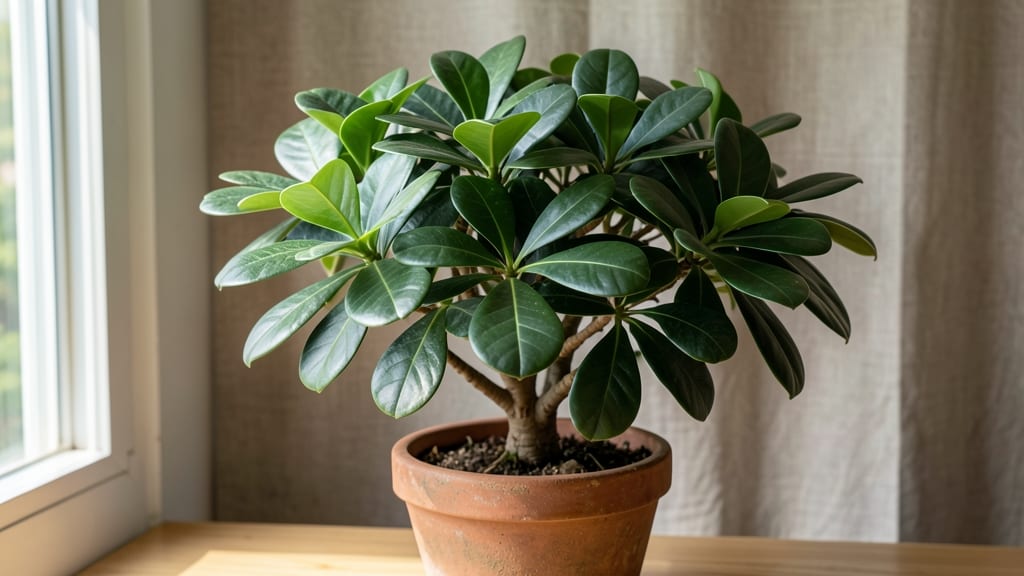
If you’ve ever wondered how tall does an umbrella plant grow before deciding whether to add one to your space, here’s the truth: this lush, 🌿 tropical favorite can stretch up to 6 feet indoors with ideal care—but it doesn’t have to.
The key to controlling its height lies in understanding its natural growth patterns and a few simple pruning tricks.
Most umbrella plants start modestly, reaching just 1-2 feet in their first year, but they can shoot up 12+ inches annually if given plenty of light and water. That’s why many gardeners find themselves scrambling to keep it from becoming a ceiling-crashing giant.
The good news? With strategic trimming and the right variety, you can keep it at a manageable 3-4 feet—perfect for adding greenery without sacrificing headspace.
Whether you’re working with a standard Cyperus alternifolius or a compact dwarf variety, the secret to managing its height boils down to light exposure and pruning timing. Too much sun? Expect rapid growth. Skip the pruning?
Watch it shoot up like a bamboo stalk. I’ll show you exactly how to balance these factors so your umbrella plant stays the statement piece you want—not the space hog you didn’t plan for.
Ready to turn your umbrella plant into a controlled, bushy beauty instead of a vertical jungle? Let’s dive into the growth habits, pruning techniques, and small-space solutions that’ll keep your plant thriving at your ideal height—no ceiling drama required.


Natural height range of umbrella plants indoors (and when to expect growth spikes)
If you’ve brought home an umbrella plant (Schefflera actinophylla), you’re probably curious about how tall it can grow indoors. On average, these striking plants reach 4 to 6 feet tall when mature, but their growth rate depends heavily on care conditions.
In my experience, plants in bright, indirect light can grow 1 to 2 feet per year during their most active spring and summer months.
Under ideal conditions—like bright indirect light and consistent humidity—some umbrella plants can even exceed 6 feet indoors, especially if they’re given regular fertilizer and proper spacing.
However, if your plant is struggling with low light or root-bound pots, its growth may slow significantly, staying under 3 feet for several years.
One key factor I’ve noticed is that young umbrella plants grow faster than mature ones. In their first year, they often shoot up 1 to 2 feet, while older plants may only add 6 to 12 inches per year.
This slower growth in maturity is why many gardeners prune their plants to maintain a manageable height.
Environmental factors like temperature and humidity also play a role. Umbrella plants thrive in humid environments (50%+ humidity), which can accelerate growth. In dry climates or air-conditioned rooms, growth may be stunted unless you use a pebble tray or humidifier.
I’ve seen plants in my humid bathroom grow nearly 2 feet taller than identical plants in my dry living room.
Now, let’s break down the typical growth stages and what to expect at each phase of your umbrella plant’s life. This summary table will help you track progress and plan for pruning or repotting as needed:
| Growth Stage | Height Range | Timeframe | Care Tips |
|---|---|---|---|
| Seedling | 0–12 inches | First 6 months | Keep soil moist, use grow lights if needed |
| Juvenile | 1–3 feet | 6–18 months | Repot if root-bound, fertilize monthly |
| Mature | 3–6 feet | 2+ years | Prune to control height, rotate for even growth |
| Overgrown | 6+ feet | 3+ years (if unpruned) | Heavy pruning or division recommended |
One common misconception is that umbrella plants grow too quickly for indoor spaces. While they can reach impressive heights, their growth slows naturally as they mature. I’ve found that pruning in late winter or early spring helps maintain a manageable size while encouraging bushier, fuller growth.
This is especially useful if you’re growing them in small apartments or offices where space is limited.
Light is another critical factor. Umbrella plants need bright, indirect light to reach their full height potential. If placed in a low-light corner, they may grow leggy and slow, staying under 3 feet tall.
I recommend positioning them near east or west-facing windows for optimal growth. If natural light is insufficient, a grow light for 4–6 hours daily can make a noticeable difference in height over time.
Finally, don’t forget that container size matters. Umbrella plants in small pots will grow slower due to root restriction, while those in large containers (18+ inches in diameter) can grow significantly taller.
If you’re aiming for a compact umbrella plant, choose a smaller pot and prune regularly. For a taller specimen, opt for a larger pot and provide ample light and nutrients.
Understanding these growth patterns will help you set realistic expectations and enjoy your umbrella plant’s natural beauty without it becoming a ceiling hazard. With the right care, you can guide its growth to fit your space perfectly!
Natural height range of umbrella plants indoors (and when to expect growth spikes)
Your umbrella plant (Schefflera actinophylla) can grow into a stunning indoor centerpiece, but its height depends on several factors. On average, these plants reach 3 to 6 feet tall indoors, though some varieties stay shorter.
The growth rate accelerates in spring and summer when conditions are ideal, so you might notice rapid height increases during these seasons.
In the first year, expect your plant to grow 1 to 2 feet tall, with each subsequent year adding another 1 to 2 feet. Without pruning, a mature umbrella plant can easily top 6 feet, making it a towering houseplant.
However, with regular trimming, you can keep it at a more manageable 2 to 3 feet for smaller spaces.
Light exposure plays a critical role in height. Umbrella plants thrive in bright, indirect light, which encourages faster growth. If placed in low-light conditions, growth slows significantly, and the plant may stay shorter. Conversely, too much direct sunlight can cause leaf scorch, stunting overall development.
Humidity levels also impact height. These tropical plants prefer moderate to high humidity (50% or higher). In dry indoor environments, growth may slow, and leaves can develop brown tips. Using a humidifier or placing the plant on a pebble tray can help maintain optimal growth rates.
Soil quality matters too. Well-draining, nutrient-rich soil supports steady growth. If your plant is root-bound or in poor soil, it may grow taller but weaker. Repotting every 2 to 3 years or when roots circle the pot helps maintain healthy growth patterns.
| Growth Stage | Height Range | Key Factors |
|---|---|---|
| Year 1 | 1–2 ft | Establishment phase; slow growth |
| Year 2 | 2–3 ft | Rapid growth in spring/summer |
| Year 3+ | 3–6 ft | Mature height; prune to control size |
| Dwarf Varieties | 1–3 ft | Genetic traits; ideal for small spaces |
Watch for growth spikes in early summer when your umbrella plant enters its peak growing season. This is when it may shoot up 6 to 12 inches in just a few months.
To manage this, prune back by one-third in late spring to encourage bushier, more controlled growth. Avoid heavy pruning in winter, as the plant is dormant and less responsive.
If you’re growing your umbrella plant in a container, height will naturally be limited by pot size. Roots circling the pot can also slow vertical growth. Upgrade to a larger pot (1–2 inches wider) every few years to support continued height increases.
With the right care, your plant can reach its full potential while staying healthy and vibrant.