
Trees
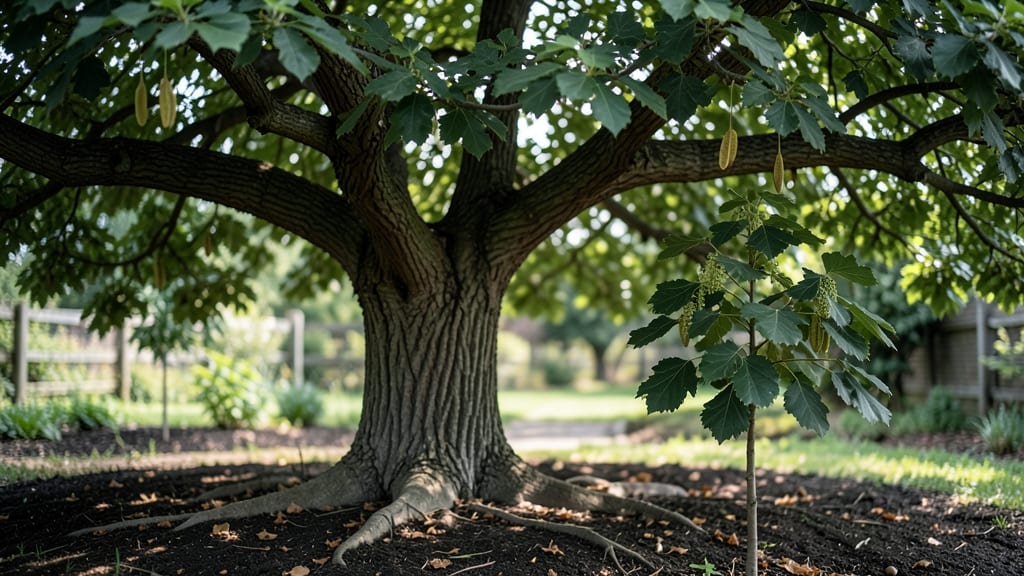
Wondering how tall does an elm tree grow before it becomes that majestic shade provider in your yard? Some varieties can tower over 100 feet, while others stay more manageable—making the choice all about your space and vision.
Elm trees like the American Elm 🌳 are famous for their impressive height, but did you know their growth rate and mature size depend on the species and where you live?
Whether you're planning for a backyard giant or a smaller urban variety, understanding these details helps you pick the perfect fit.
Fast growth is one of their standout features—some elms can add 3-5 feet per year under ideal conditions. But without proper care, even the fastest growers might outpace your landscape plans. I’ll show you how to balance their natural height with smart planting and maintenance.
From towering shade providers to compact urban options, elms offer something for every garden. Let’s break down what to expect so you can plant with confidence—and enjoy the benefits without the headaches.


Elm tree height ranges by species: from dwarf to giant varieties
Elm trees are iconic for their towering presence and graceful branches, but not all species reach the same heights. The American Elm (Ulmus americana) often tops the charts, growing 70-100 feet tall with a spread of 50-75 feet—making it a true giant.
Meanwhile, the Siberian Elm (Ulmus pumila) stays shorter, typically 30-50 feet, but its rapid growth makes it popular for urban landscapes.
If you're working with limited space, consider the Dwarf Chinese Elm (Ulmus parvifolia 'Lace Lady'), which maxes out at 20-30 feet while still offering lush foliage. Even the Slippery Elm (Ulmus rubra) varies widely, reaching 50-80 feet but often staying smaller in cooler climates.
Your yard's size and climate will dictate which species thrives best.
Here’s how common elm varieties compare in height and spread:
| Variety | Mature Height | Spread | Growth Rate | Best For |
|---|---|---|---|---|
| American Elm | 70-100 ft | 50-75 ft | Moderate | Large yards, parks |
| Siberian Elm | 30-50 ft | 30-40 ft | Fast | Urban areas, streets |
| Slippery Elm | 50-80 ft | 40-60 ft | Moderate | Woodlands, shade |
| Dwarf Chinese Elm | 20-30 ft | 15-25 ft | Slow | Small yards, containers |
| Cork Elm | 40-60 ft | 30-40 ft | Moderate | Mediterranean climates |
For urban planting, the Siberian Elm is a top pick because its 30-50 feet height fits well between sidewalks and power lines. In contrast, the American Elm needs ample space—its 70-100 feet stature makes it better suited for parks or rural properties.
Always check local regulations before planting near streets or utilities.
Climate plays a huge role in height potential. In warmer zones (USDA 7-9), elms like the Cork Elm thrive and reach their full 40-60 feet potential. Cooler zones (USDA 4-6) may see Slippery Elms stay shorter, around 50-60 feet, due to slower growth.
Soil quality also matters—well-draining, slightly acidic soil (pH 6.0-7.0) encourages healthier, taller growth.
If you're planting for shade and privacy, aim for species like the American Elm or Slippery Elm. Their wide canopies block sunlight effectively while adding vertical drama. For street trees
Elm tree height ranges by species: from dwarf to giant varieties
Elm trees are iconic for their towering presence, but their mature height varies dramatically by species. Some varieties like the American Elm can soar to 80–100 feet, while others like the Dwarf Chinese Elm stay compact at just 15–25 feet.
Choosing the right species depends on your yard size and landscape goals.
For urban gardens, the Siberian Elm is a popular choice, reaching 40–60 feet with a fast growth rate. Meanwhile, the Slippery Elm typically grows 50–75 feet, making it ideal for larger properties. Always check local regulations—some cities restrict invasive species like Siberian Elm.
Here’s a quick comparison of common elm varieties and their mature heights:
| Variety | Mature Height (ft) | Growth Rate | Best For |
|---|---|---|---|
| American Elm | 80–100 | Moderate | Large yards, shade |
| Siberian Elm | 40–60 | Fast | Urban planting |
| Slippery Elm | 50–75 | Slow to moderate | Medicine, shade |
| Dwarf Chinese Elm | 15–25 | Slow | Small spaces, containers |
If you’re planting near power lines, opt for dwarf varieties or prune regularly to avoid height-related issues. Always consider your tree’s spread—some elms grow as wide as they do tall, requiring ample space.
For shade lovers, the American Elm is a classic, but its height means it’s best for rural or suburban areas. Urban gardeners should prioritize Siberian Elm or Dwarf Elm for manageable growth.
Remember, height isn’t the only factor—consider your tree’s root system and disease resistance too. Dutch Elm Disease has devastated many elm populations, so choose resistant varieties like ‘Valley Forge’ or ‘New Horizon’.