
Size
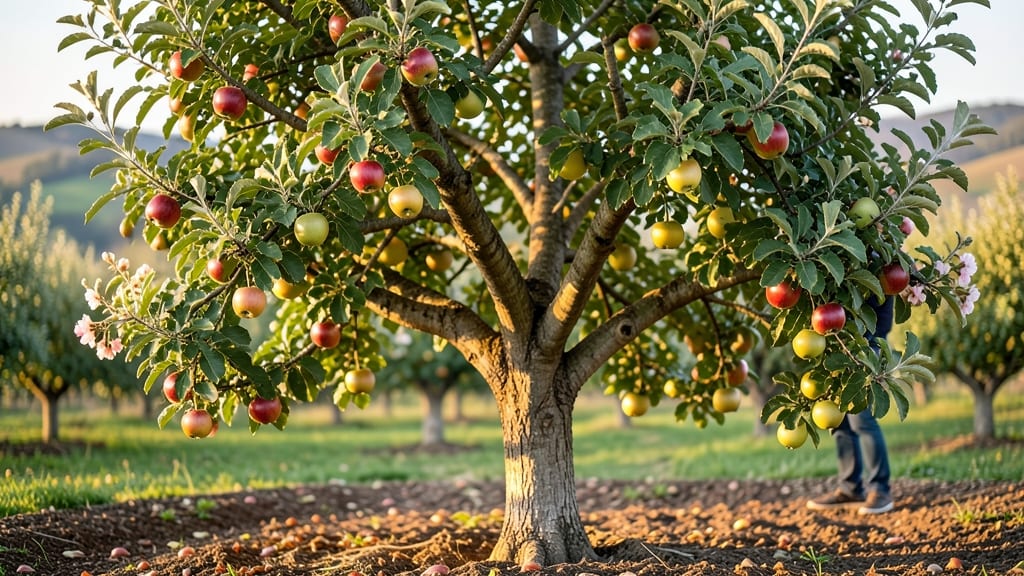
Ever wondered just how tall that sweet 🍎 apple tree in your backyard could grow? The answer might surprise you—some varieties stretch taller than a two-story house, while others stay compact enough for even the smallest patios.
If you're dreaming of homegrown apples but limited on space, choosing the right size is the key to success. Whether you're working with a cozy urban yard or a sprawling country plot, understanding your options will help you pick the perfect tree for your needs.
From dwarf varieties that top out at just a few feet to towering standard trees reaching 25 feet, the possibilities are endless. I’ll break down everything you need to know about apple tree heights—including how rootstock, pruning, and climate play a role in their growth.
Ready to transform your space into a fruitful haven? Let’s explore how to select the ideal apple tree size for your garden layout and care routine.


Apple tree height variations: from dwarf to standard heights explained
Apple trees aren't one-size-fits-all—some stay compact enough for a backyard, while others reach towering heights. The key difference? rootstock. This is the underlying part of the tree that determines how tall it grows, even if you plant a standard-size variety.
Think of it like choosing between a bushy dwarf and a tall standard variety—both can produce apples, but their space needs are worlds apart!
Understanding these height variations helps you pick the perfect apple tree for your space. Whether you have a tiny balcony or a sprawling orchard, there's an apple tree that fits. Let's break down the three main categories: dwarf, semi-dwarf, and standard trees, and how they grow over time.
🌱 Visual Guide: Apple Tree Height by Type
| Type | Mature Height | Rootstock Example | Space Needs |
|---|---|---|---|
| Ultra-Dwarf | 6-8 ft | Bud.9, M.9 | Balcony, containers, small yards |
| Dwarf | 8-12 ft | MM.106, MM.111 | Small gardens, patios |
| Semi-Dwarf | 12-16 ft | M.7, MM.104 | Medium yards, orchards |
| Standard | 20-25 ft | Seedling, MM.110 | Large properties, orchards |
Dwarf apple trees, like those grafted onto Bud.9 or M.9 rootstock, typically reach 6-12 feet at maturity. These are ideal for urban gardeners or those with limited space.
They produce fruit just like larger trees but require less room to thrive. Semi-dwarf varieties, such as those on MM.106 rootstock, grow to 12-16 feet, making them a happy medium for medium-sized yards.
On the other end of the spectrum, standard apple trees can soar to 20-25 feet or taller, resembling the classic orchard trees you might picture. These are best suited for rural settings or large properties where space isn't a concern.
The rootstock used—often a seedling or MM.110—plays a huge role in determining how tall the tree will grow.
Even within these categories, growth can vary based on climate, soil quality, and pruning habits. For example, a dwarf apple tree in a warm, sunny climate might grow slightly taller than one in a cooler, shaded area.
Proper pruning can also influence height—regular trimming encourages a bushier, more compact shape, while neglect can lead to a taller, leggier tree.
If you're wondering how quickly an apple tree grows, most dwarf varieties reach 6-8 feet in their first 3-5 years. Semi-dwarf and standard trees take longer to mature, often reaching their full height in 8-12 years.
Patience is key, but the payoff—homegrown apples—is worth it! Whether you choose a dwarf, semi-dwarf, or standard tree, each has its own charm and growing quirks.
For those with containers or small spaces, ultra-dwarf varieties are a game-changer. These can be grown in large pots and placed on patios or balconies, making apple growing accessible to nearly everyone.
Just ensure your container is at least 18-24 inches deep and has good drainage to support healthy root growth.
One common misconception is that smaller trees produce fewer apples. In reality, dwarf and semi-dwarf trees often yield just as much fruit as standard trees, but the fruit is concentrated in a smaller area.
This makes harvesting easier and more efficient. Plus, their compact size means you can fit multiple varieties into a small space, creating a mini orchard!
Before planting, consider your long-term goals. If you plan to sell apples or want to grow a large orchard, standard trees might be the way to go.
But if you're growing for your family or a small market, dwarf or semi-dwarf trees offer the perfect balance of productivity and space efficiency. 🍏
Apple tree height variations: from dwarf to standard heights explained
When planning your backyard orchard, one of the first questions I ask myself is: how tall does an apple tree grow? The answer depends entirely on the rootstock and cultivar you choose.
Apple trees come in three main height categories—dwarf, semi-dwarf, and standard—each offering distinct advantages for different garden layouts. Understanding these differences helps me select the perfect tree for my space while ensuring healthy fruit production.
Dwarf apple trees are the space-saving champions of the orchard, typically reaching 6-10 feet at maturity. These compact trees are ideal for containers, small yards, or even urban balconies.
Their smaller stature makes them easier to manage and harvest, though they often require more frequent pruning to maintain shape and airflow.
Semi-dwarf varieties strike a balance, growing 10-16 feet tall, making them perfect for medium-sized gardens where you want a tree with a more traditional appearance without sacrificing space.
| Category | Mature Height | Rootstock Examples | Best For |
|---|---|---|---|
| Dwarf | 6–10 ft | M.9, M.26 | Containers, small yards, urban gardens |
| Semi-Dwarf | 10–16 ft | MM.106, MM.111 | Medium gardens, lawns, family homes |
| Standard | 20–25 ft | Seedling, MM.104 | Large properties, orchards, traditional settings |
Standard apple trees, on the other hand, are the tallest of the bunch, often soaring 20-25 feet or more. These trees are perfect for rural settings or large estates where space isn’t a concern.
They produce larger crops and have a majestic presence, but they require more room for their roots and branches to spread. If you're dreaming of a classic orchard experience, a standard apple tree might be your best bet—but be prepared for the long-term commitment in terms of space and maintenance.
The rootstock plays a crucial role in determining an apple tree’s height. Dwarfing rootstocks like M.9 or M.26 restrict the tree’s growth, while standard rootstocks like seedling or MM.104 allow the tree to grow to its full potential.
When I’m selecting a tree, I always check the rootstock label to ensure it matches my garden’s size and my long-term care goals.
For example, a dwarf apple tree on M.9 rootstock might only reach 8 feet, while the same cultivar on a semi-dwarf rootstock could grow 14 feet.
Another factor influencing height is pruning. Regular pruning can keep even standard trees at a manageable height, though it requires more effort and expertise. I recommend starting with a central leader pruning technique for young trees to encourage a strong, upright structure.
For dwarf varieties, I focus on open-center pruning to improve airflow and fruit accessibility. Pruning isn’t just about height control—it’s also about fruit quality and tree health, so I always approach it with care and intention.
Climate also plays a subtle but important role in an apple tree’s growth. Trees in warmer climates may grow slightly faster and taller, while those in cooler regions might stay more compact.
When I’m planting in my Zone 6a garden, I choose varieties that thrive in my specific conditions, such as 'Honeycrisp' or 'Gala', which are well-adapted to moderate climates. Always consider your local growing conditions when selecting a tree size to ensure it will thrive in your space.
If you're still unsure which size is right for you, start small with a dwarf or semi-dwarf variety. They’re easier to manage, produce fruit faster, and give you a taste of success without the long wait.
Plus, you can always expand your orchard later if you fall in love with homegrown apples! 🍏