
How To
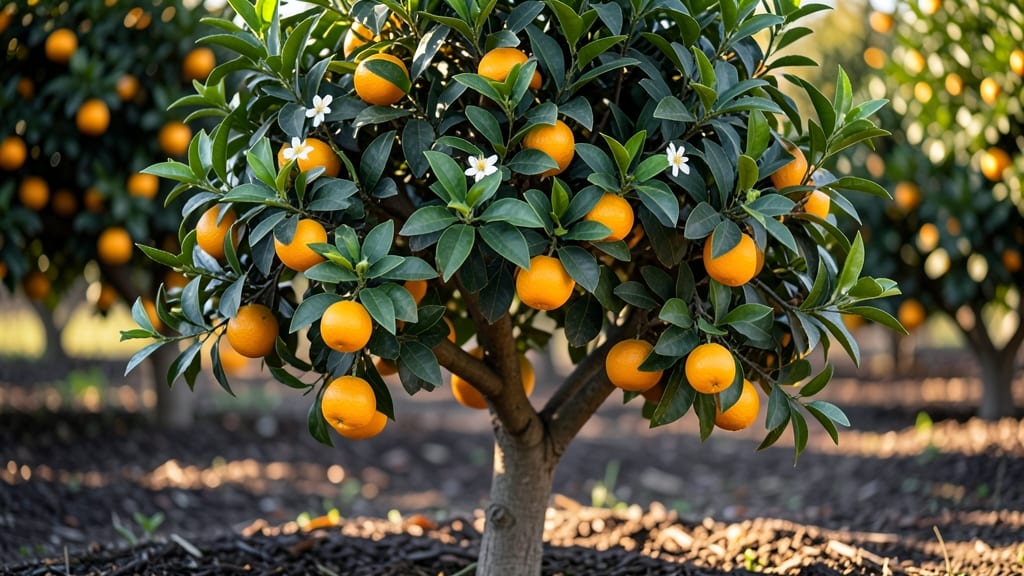
If you're dreaming of a backyard bursting with fresh 🍊 tangerines, the first question you'll ask is: how tall does a tangerine tree grow? The answer isn’t one-size-fits-all—some varieties stay compact enough for a small patio, while others reach towering heights that need careful planning.
Standard tangerine trees can soar 20 to 30 feet tall, making them more suited for orchards than suburban yards. But don’t worry—dwarf and semi-dwarf varieties (like the popular 'Dancy' or 'Murcott') top out at 8 to 18 feet, perfect for containers or tight spaces.
The right choice depends on your climate, soil, and how much pruning you’re willing to tackle.
What’s the key to managing their growth? Pruning isn’t just about aesthetics—it’s about fruit production. Overgrown branches can shade your harvest, while strategic trimming keeps the tree healthy and harvestable. Even in USDA Zone 9b, where these trees thrive year-round, size control is critical for small gardens.
Whether you’re a first-time gardener or a citrus enthusiast, understanding these growth patterns will help you pick the perfect variety. Let’s break down the options so you can grow the tangerine tree that fits your space—and your sweet tooth.


Tangerine tree height by variety: from dwarf to giant sizes
If you're dreaming of a backyard tangerine tree but worried about space, don’t panic—your options aren’t limited to towering giants. Tangerine trees come in three distinct height categories: dwarf, semi-dwarf, and standard. The variety you choose directly impacts your garden layout, maintenance needs, and even fruit production.
Let’s break down what to expect from each type, so you can pick the perfect fit for your space.
First, understand that height isn’t the only factor. Growth rates, branch spread, and fruiting habits also vary. For example, a dwarf tangerine tree might reach maturity in 3–5 years, while a standard tree could take a decade or more.
Planning ahead ensures your tree thrives without crowding your home, driveway, or neighboring plants.
🍊 Visual Comparison: Imagine a dwarf tangerine tree at 8–12 feet—about the height of a basketball hoop—versus a standard tree soaring to 20–30 feet, taller than a two-story house. The difference isn’t just in aesthetics; it affects how you prune, harvest, and even whether you need a ladder!
Dwarf varieties like the 'Sunburst' tangerine are ideal for containers or small patios. These trees stay compact, making them perfect for balconies or rooftop gardens in warm climates. However, even dwarf trees need 6+ hours of sunlight daily and regular pruning to maintain shape and encourage fruiting.
Semi-dwarf varieties strike a balance, offering more fruit per tree than dwarfs while staying manageable in most backyards. The 'Murcott', for example, produces sweeter, seedless fruit and grows at a steady pace, making it a favorite for home growers with a bit more space.
Just ensure you leave 10–12 feet of clearance around the tree for branches to spread.
Standard tangerine trees are the fruit-bearing powerhouses of the group, but they require serious commitment. These trees need ample space, regular pruning, and structural support as they mature.
If you’re planting one, consider its root spread, which can reach 15–20 feet wide. For comparison, that’s nearly the length of a school bus!
Container growing is a game-changer for dwarf and semi-dwarf varieties. A 20–30 gallon pot can accommodate a young tangerine tree for several years, provided you repot every 2–3 years and use a well-draining citrus mix.
Just remember: root-bound trees fruit less, so plan for eventual transplanting into the ground if you want a full harvest.
Climate plays a huge role in height control. In USDA Zones 9–11, tangerine trees thrive year-round, reaching their full potential. But in cooler zones (like Zone 8 with microclimates), growth slows, and trees may stay smaller.
If you’re in a transition zone, choose a dwarf or semi-dwarf variety and protect it from frost with burlap wraps or row covers.
Pruning isn’t just about height—it’s about health and productivity. Even dwarf trees benefit from annual pruning to remove dead branches, improve airflow, and shape the canopy. For standard trees, structural pruning in winter (when the tree is dormant) prevents weak limbs that could snap under fruit weight.
Always use sterilized tools to avoid spreading disease.
Pro tip: If you love the idea of a tangerine tree but lack space, consider espalier training. This technique flattens the tree against a wall or fence, keeping it under 6–8 feet tall while maximizing fruit production.
It’s a clever solution for urban gardeners who want fresh citrus without sacrificing yard space!
Tangerine tree height by variety: from dwarf to giant sizes
Choosing the right tangerine tree variety is key to fitting it into your garden—or even a container on your patio. Most tangerine trees fall into three height categories: dwarf (6–10 ft), semi-dwarf (12–16 ft), and standard (20–30 ft).
Your space and care goals will determine which is best for you.
A dwarf tangerine tree, like the 'Dancy' or 'Murcott,' stays compact, making it ideal for small backyards or containers. These varieties mature in 3–5 years and produce fruit just like their taller cousins.
Meanwhile, standard varieties like 'Clementine' can reach 25+ feet, requiring more space and regular pruning.
🌱
| Variety | Mature Height | Growth Rate | Best For |
|---|---|---|---|
| Dwarf (e.g., 'Dancy') | 6–10 ft | Slow to moderate | Containers, small yards |
| Semi-Dwarf (e.g., 'Murcott') | 12–16 ft | Moderate | Medium backyards, espalier |
| Standard (e.g., 'Clementine') | 20–30 ft | Fast | Large properties, orchards |
If you're growing in a container, dwarf varieties thrive with 5-gallon pots or larger, but expect slower growth. In-ground planting allows faster maturation, especially in USDA Zones 9–11, where tangerine trees flourish year-round. Even in cooler climates, container-grown trees can be moved indoors during winter.
Pruning plays a huge role in height control. For dwarf trees, light pruning after harvest keeps them manageable, while standard trees may need annual structural pruning to prevent overgrowth. Always prune in late winter to encourage healthy spring growth.
🌿