
Size
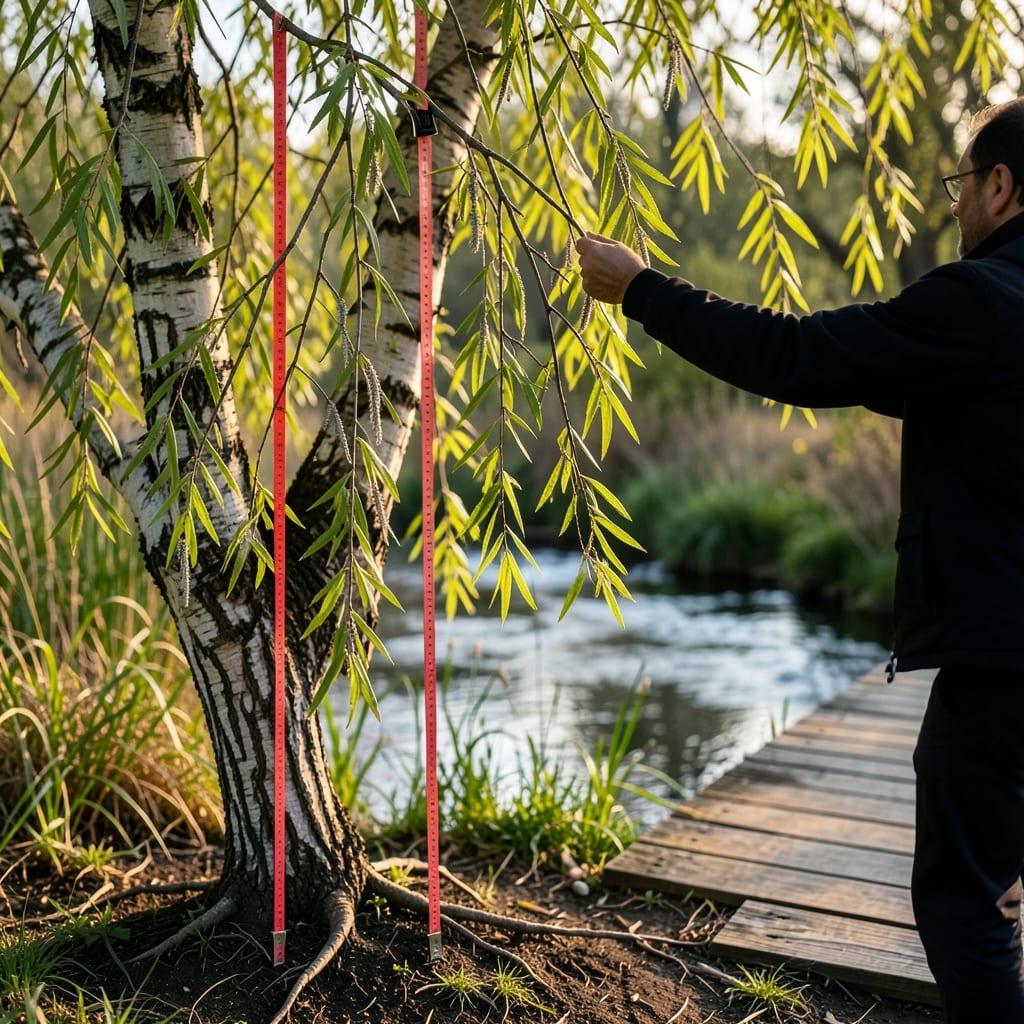
If you’re dreaming of a towering 🌳 willow tree that stretches toward the sky, you’ll first need to know how tall a willow tree can grow—because some varieties can hit 100 feet or more, growing faster than you can say "pruning season." But before you let one take over your yard, understanding their growth habits is the key to keeping them in check.
Willow trees are nature’s speed demons, capable of shooting up 5–10 feet per year under ideal conditions. Whether you’re eyeing a graceful weeping willow or a hardy crack willow, their height potential varies wildly—some stay compact, while others become skyscrapers. The secret? It’s all in the species, soil, and climate.
I’ll break down the fastest-growing willow varieties, how to control their height with smart pruning, and the factors that make them either soar or stall. By the end, you’ll know exactly how to harness their rapid growth—or rein it in before it’s too late.
Ready to turn your yard into a willow wonderland—or at least keep one from becoming a 50-foot monster? Let’s dive in.


Willow tree height by variety: fastest-growing species and their maximum heights
Willow trees are famous for their explosive growth, but not all varieties reach the same sky-high heights. Some, like the weeping willow, create elegant cascades, while others, like the crack willow, can become towering giants. The maximum height of a willow tree depends entirely on its species—some stay under 30 feet, while others can hit 100 feet or more with the right conditions.
If you’re planning your landscape, knowing these differences is crucial. A weeping willow might be perfect for a privacy screen, while a pussy willow stays much shorter and works well in smaller gardens. Let’s break down the fastest-growing willow varieties and their typical mature heights so you can pick the right one for your space.
Here’s what you need to know about the most common willow tree varieties and how tall they can grow:
| Variety | Common Name | Growth Rate (per year) | Mature Height | Best For |
|---|---|---|---|---|
| Salix babylonica | Weeping Willow | 5–10 feet | 30–50 feet | Privacy screens, water gardens |
| Salix fragilis | Crack Willow | 8–12 feet | 60–100 feet | Large landscapes, fast shade |
| Salix alba | White Willow | 6–10 feet | 40–60 feet | Urban planting, erosion control |
| Salix caprea | Pussy Willow | 2–4 feet | 15–25 feet | Small gardens, ornamental |
| Salix purpurea | Purple Willow | 3–6 feet | 20–30 feet | Color accents, wildlife habitat |
The weeping willow (Salix babylonica) is one of the most popular choices for gardeners because of its graceful, drooping branches. It grows 5–10 feet per year, so in just a few decades, it can become a 50-foot beauty. However, its aggressive roots mean it’s best planted near water sources where it won’t crowd other plants.
On the other hand, the crack willow (Salix fragilis) is the fastest-growing willow of all, capable of reaching 100 feet in ideal conditions. Its name comes from its brittle branches, which can snap in storms, making it less ideal for small yards. If you’re after rapid shade or a tall privacy barrier, this is the willow for you—but be prepared for some maintenance.
For smaller spaces, the pussy willow (Salix caprea) is a compact option, typically staying under 25 feet. It’s prized for its fluffy catkins in early spring and is perfect for adding ornamental interest without taking over your garden. If you want color, the purple willow (Salix purpurea) offers stunning purple foliage and grows to about 20–30 feet.
No matter which variety you choose, willows thrive in moist, well-drained soil and full sun. If you’re planting near a pond or stream, you’ll likely see even faster growth. But if your yard is dry, some varieties may struggle to reach their full height potential. Always check your USDA hardiness zone—most willows grow well in zones 4–9.
Now that you know which willows can become towering giants and which stay more manageable, the next step is learning how to control their height if needed. Whether you’re pruning for shape or using barriers to limit spread, I’ve got you covered in the next section.
Willow tree height by variety: fastest-growing species and their maximum heights
Willow trees are famous for their explosive growth, but not all varieties reach the same heights. Some stay modest, while others become 100-foot giants with the right conditions. The weeping willow (Salix babylonica) is the most iconic, often topping out at 50–75 feet with its graceful, drooping branches. Meanwhile, the crack willow (Salix fragilis) can shoot up to 100 feet or more, earning its name from brittle branches that snap in storms.
If you’re planting for privacy or shade, focus on the white willow (Salix alba), which can reach 60–80 feet and thrives in wet soils. For smaller spaces, the pussy willow (Salix discolor) stays shorter at 15–25 feet, perfect for ornamental use. Each variety’s height depends on species, soil moisture, and sunlight, so choose wisely based on your yard’s size and needs.
| Variety | Max Height | Growth Rate | Best For |
|---|---|---|---|
| Weeping Willow (Salix babylonica) | 50–75 ft | 5–10 ft/year | Privacy screens, ponds |
| Crack Willow (Salix fragilis) | 80–100+ ft | 8–12 ft/year | Fast growth, wet soils |
| White Willow (Salix alba) | 60–80 ft | 6–10 ft/year | Shade, erosion control |
| Pussy Willow (Salix discolor) | 15–25 ft | 3–5 ft/year | Ornamental, small yards |
One surprising fact? Willow trees grow fastest near water, thanks to their aggressive root systems that seek moisture. Planting a willow near a pond or stream can double its growth rate, but it also means monitoring for invasive spread. If you’re in a dry climate, expect slower growth—though willows are adaptable and can still reach impressive heights with consistent watering.
For urban landscapes, dwarf varieties like the dwarf purple willow (Salix purpurea ‘Nana’) cap out at 6–10 feet, making them ideal for containers or small gardens. However, these still need regular pruning to maintain size. If you’re after a tall, dramatic specimen, the crack willow is your best bet—but be prepared for its rapid expansion.
Height isn’t the only factor to consider. Willow trees also have wide canopies and spreading roots, so always check local regulations before planting near property lines. A 50-foot willow can easily overshadow a neighbor’s yard if left unchecked!
Want to harness their height for shade or privacy? Choose a fast-growing variety like the weeping willow and give it plenty of space. Need to keep them in check? Prune aggressively in late winter and install root barriers. Either way, willows deliver dramatic results—just be ready for their ambitious growth.