
Size
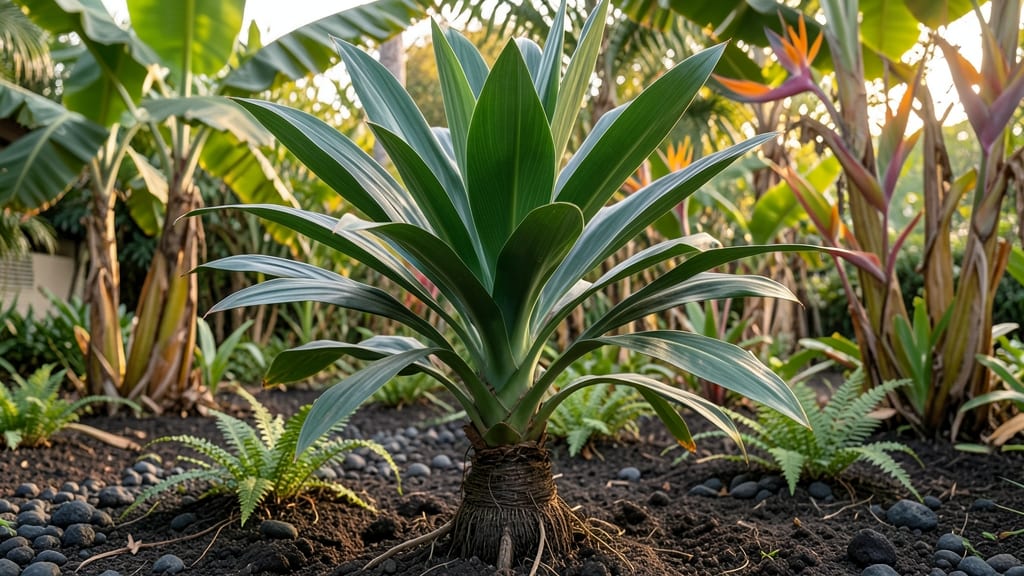
If you’ve ever wondered how tall do ti plants grow, you’re not alone—this is one of the first questions new plant parents ask!
The answer might surprise you, because ti plants (like the striking 🌿 Cordyline fruticosa) can range from compact tabletop companions to towering room dividers, depending on their variety and care.
Some ti plants stay neatly under 3 feet, perfect for small apartments or office desks, while others can stretch toward the ceiling—even 6 feet or more—when given the right conditions.
The key lies in understanding your plant’s species and growth habits, so you can choose the perfect spot (or pruning strategy) to keep it at your ideal height.
Whether you’re dreaming of a bold statement plant or a low-maintenance windowsill buddy, this guide breaks down everything you need to know. We’ll cover the height ranges of popular varieties, how to control growth naturally, and even debunk myths about ti plants outgrowing their welcome.
Ready to stop guessing and start growing with confidence? Let’s dive into the world of ti plants—where size isn’t just a number, but a choice you can make with every trim and every pot.


Ti plant growth heights by variety: dwarf vs. standard vs. giant
Ti plants—often called Dracaena fragrans—come in a stunning array of varieties, each with its own height potential. Some stay compact enough for a windowsill garden, while others can reach ceiling heights in just a few years.
The key difference? Genetics and growing conditions determine whether your ti plant will be a dwarf variety or a towering giant.
If you're eyeing a small-space solution, varieties like Cordyline fruticosa 'Red Edge' max out around 3-4 feet. But if you're dreaming of a statement plant, the Dracaena fragrans 'Massangeana' can easily stretch to 6-10 feet indoors with proper care.
Let’s break down the exact height ranges so you can pick the perfect fit for your home.
📏 Visual Growth Comparison: Imagine your ti plant as a living room centerpiece. A 3-foot dwarf sits comfortably on a side table, while a 7-foot giant needs a dedicated corner and regular pruning to stay manageable. Your choice depends on your space and patience—some varieties grow 1-2 feet per year, while others creep along at just 6 inches annually.
| Variety | Mature Height | Growth Rate | Ideal Use |
|---|---|---|---|
| Cordyline fruticosa 'Red Edge' | 3-4 ft | 6-12 in/year | Small spaces, desks |
| Dracaena fragrans 'Massangeana' | 6-10 ft | 1-2 ft/year | Large rooms, hallways |
| Sansevieria trifasciata 'Laurentii' | 2-3 ft | 4-8 in/year | Apartments, offices |
| Cordyline terminalis 'Flame' | 4-6 ft | 8-12 in/year | Medium spaces, bookshelves |
| Dracaena marginata 'Tricolor' | 5-8 ft | 10-14 in/year | Large rooms, green walls |
Notice how Dracaena marginata varieties often outpace Cordyline species? That’s because their narrower leaves allow them to grow taller without sacrificing stability. For indoor gardening, this means you’ll need to rotate your plant regularly to ensure even growth and prevent it from leaning toward the brightest light source.
One common misconception is that all ti plants grow at the same rate. In reality, light exposure and container size play huge roles. A dwarf variety in a cramped pot might stay small, but the same plant in a spacious container with bright light could shoot up faster than expected.
Always check the variety’s care tags for the most accurate predictions.
For outdoor cultivation, ti plants can grow even taller—sometimes reaching 12 feet or more in USDA Zone 10+. If you’re growing yours outside, prune in late winter to control height and encourage bushier foliage.
Just be warned: Outdoor ti plants may need winter protection in colder climates, as they’re not frost-tolerant.
Pro Tip: If you’re worried about your ti plant outgrowing its space, start with a smaller variety like Sansevieria trifasciata. These stay under 3 feet and thrive in low-light conditions, making them perfect for beginner gardeners or tight spaces. Plus, their slow growth rate means less frequent pruning.
Remember, height isn’t the only factor—leaf width and color also vary by variety. A narrow-leafed ti plant might look taller visually than a broad-leafed one of the same height.
For example, Dracaena marginata has thin, arching leaves that create a dramatic vertical effect, while Cordyline fruticosa has wider, bushier foliage.
Before you buy, measure your available space and research the mature height of your chosen variety. A 6-foot ti plant in a 7-foot ceiling room might work, but the same plant in a 6-foot ceiling could become a household hazard if left unpruned.
Plan ahead, and your ti plant will be a showstopper without the stress!
How to control ti plant height: pruning, potting, and light tips
If your ti plant is growing taller than you’d like—or you’re worried it might soon reach the ceiling—don’t panic! With the right techniques, you can control ti plant height naturally and keep it at your desired size.
The secret lies in pruning strategies, pot selection, and light management, all of which directly impact how quickly (or slowly) your plant grows vertically.
First, let’s tackle pruning, the most effective way to manage height. Ti plants respond well to pruning, and you can trim back leggy stems without harming the plant. The best time to prune is spring or early summer, when new growth is just beginning.
Simply cut just above a leaf node (where leaves grow), and your plant will branch out instead of shooting upward. For dramatic height control, you can even prune back by 1/3—your ti plant will thank you with bushier, fuller growth!
Next, pot size matters more than you might think. Ti plants in too-large containers will focus their energy on filling the extra space, leading to rapid vertical growth. For dwarf varieties, choose a pot that’s only 1-2 inches wider than the root ball.
If you’re growing a standard or tall variety, opt for a deep pot (at least 12 inches tall) to encourage root growth downward rather than upward. Pro tip: Repot every 2-3 years to refresh the soil and prevent root-bound stress, which can spur sudden growth spurts.
| Method | Effect on Height | Best For |
|---|---|---|
| Pruning leggy stems | Reduces height by 20-50% | All varieties, especially tall types |
| Small pot (1-2" wider) | Slows vertical growth by 30% | Dwarf or compact varieties |
| Deep pot (12"+ tall) | Encourages root depth, less upward growth | Standard or tall varieties |
| Partial shade (4-6 hrs sun) | Reduces height by 15-25% | Indoor or sensitive varieties |
| Fertilizer reduction | Slows growth by 20-30% | Fast-growing or leggy plants |
Light exposure is another game-changer for height control. Ti plants stretch toward light, so if yours is leaning or growing too tall, it’s likely craving more brightness. Place your plant near an east-facing window for gentle morning sun, or use a grow light for 4-6 hours daily.
Avoid direct afternoon sun, which can scorch leaves and trigger excessive elongation. For indoor ti plants, rotate the pot every 2 weeks to ensure even growth and prevent lopsided height spikes.
Finally, fertilizer habits play a surprising role in height management. Over-fertilizing—especially with high-nitrogen formulas—can lead to rapid, leggy growth. Instead, opt for a balanced 10-10-10 fertilizer and apply it only every 6-8 weeks during spring and summer.
In fall and winter, skip fertilizing entirely to encourage dormancy and slower growth. This simple adjustment can cut height increase by 20-30% without sacrificing health.
Remember, ti plants are forgiving—even if you’ve let one grow too tall, a little pruning and adjusted care can bring it back into balance.
The key is consistency: combine smart pruning, the right pot, and mindful light exposure, and you’ll have a ti plant that stays exactly where you want it—whether that’s 3 feet tall for a desk buddy or 6 feet for a room-dividing statement piece. 🌿