
Vegetables
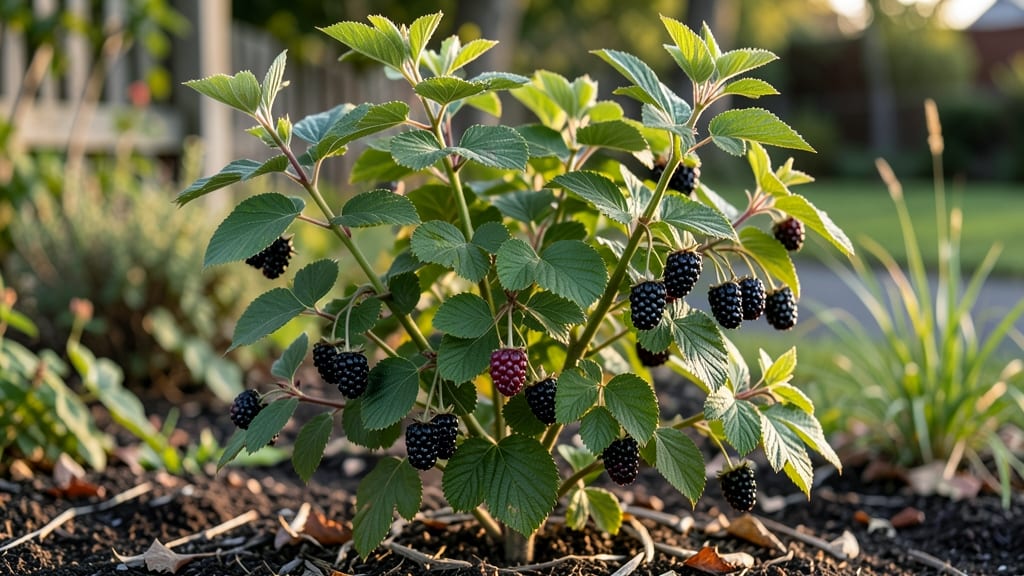
Wondering how tall do thornless blackberries grow in your backyard? The answer might surprise you—these berries can range from compact 4-foot shrubs to towering 12-foot vines, depending on the variety and care you provide.
If you're working with limited space, some thornless varieties like 'Natchez' or 'Chester' stay under 5 feet, making them perfect for small gardens, containers, or even urban patios. But without proper pruning or support, even these can stretch taller than expected.
Let’s break down the key factors that influence their height—from trellising techniques to sunlight needs—and how you can control their growth for maximum yield without sacrificing space. Whether you're a first-time gardener or a seasoned green thumb, these tips will help you grow the perfect-sized blackberry patch.
Ready to transform your garden into a berry haven? I’ll show you exactly how to keep your 🫐 thornless blackberries at your ideal height while ensuring a bountiful harvest every season.


Thornless blackberry height ranges: compact varieties under 5 feet
Thornless blackberries offer the perfect balance of easy harvesting and space efficiency, but their mature height can still surprise gardeners. While some varieties reach 10+ feet when left unchecked, many stay under 5 feet—especially with proper care.
The key lies in choosing the right cultivar and managing growth through pruning and support structures.
Most thornless blackberries grow between 4 and 6 feet at maturity, but some, like 'Cheyenne' and 'Natchez', remain compact at 3 to 5 feet. These shorter varieties are ideal for small gardens, containers, or urban patios where space is limited.
Even standard varieties can be trained to stay shorter with consistent pruning and trellising.
Here’s how height varies by growth habit: Trailing varieties (like 'Ouachita') spread horizontally and may need vertical support to control height, while upright types (like 'Chester') grow taller but can be pruned to stay under 6 feet.
Understanding these differences helps you pick the best variety for your space.
🌱 Did You Know?
The first year of growth is critical—most thornless blackberries start at just 2 to 3 feet tall. By year two, they’ll reach 4 to 6 feet, and full maturity (years 3+) brings them to their peak height.
If you’re growing in containers, choose dwarf-friendly varieties like 'Arapaho' or 'Apache', which rarely exceed 4 feet.
Soil quality and sunlight play huge roles in height. Well-draining, nutrient-rich soil with 6+ hours of sun daily encourages vigorous growth, while shadier spots or poor soil can stunt plants to 3 feet or less. For compact growth, amend soil with compost and mulch heavily to limit vertical sprawl.
Pruning in late winter is your best tool to control height. Remove overly vigorous canes and crossing branches to redirect energy into fruit production. This keeps plants under 5 feet while maximizing yield. Regular pruning also improves airflow, reducing disease risk.
📋 Key Takeaway:
Climate also affects height. In warmer zones (USDA 8+), blackberries grow faster and taller, while cooler climates (USDA 5–7) may limit growth to 4 feet or less.
If you’re in a short-season area, opt for early-ripening varieties like 'Triple Crown', which stays under 5 feet and produces fruit quickly.
For container gardening, select bush-type thornless blackberries like 'Chester' or 'Natchez'. These varieties tolerate root confinement and can be grown in 15–20 gallon pots with proper trellising. Just ensure pots have drainage holes and use a balanced fertilizer every 4–6 weeks to support compact growth.
If you’re planning a vertical garden, install a 6-foot trellis and prune aggressively to keep canes under control. Train new growth along the trellis wires, and remove any canes that exceed your height goal. This method works beautifully for balconies or fences in urban settings.
How to control thornless blackberry growth for smaller spaces
Keeping your thornless blackberries under 5 feet isn’t just about choosing the right variety—it’s also about smart pruning, trellising, and training techniques. Even vigorous varieties like 'Ouachita' can be tamed with the right approach, making them perfect for small gardens or containers.
The key is to intervene early and maintain consistent care throughout the growing season.
Start with proper trellising. Install a 5–6 foot tall trellis or fence near your plants and train the canes to grow vertically. Use soft ties or plant clips to guide new growth along the wires, preventing sprawling.
This not only controls height but also improves airflow, reducing disease risk. For containers, use a vertical trellis system or a sturdy cage to contain the vines.
📋 Step-by-Step Growth Control:
One common mistake is over-fertilizing, which can send your blackberries into a growth spurt rather than focusing on fruit production. Stick to a balanced fertilizer (like 10-10-10) applied every 4–6 weeks during the growing season. Avoid high-nitrogen fertilizers, which promote leafy growth at the expense of height control.
For container-grown blackberries, choose bush-type varieties like 'Chester' or 'Natchez', which naturally stay under 5 feet. Use a 15–20 gallon pot with a trellis or cage to contain the vines.
Prune aggressively in fall to remove any canes that outgrow the container, and repot every 2–3 years to refresh the soil.
If you’re growing in a vertical garden, install a freestanding trellis or use a fence with horizontal wires. Prune regularly to remove any canes that grow beyond your desired height, and redirect energy into fruit-bearing canes.
This method works especially well for urban patios or balconies where space is limited.
Finally, monitor your plants throughout the season. If you notice canes growing too tall, prune them back immediately to prevent excessive height. The goal is to balance growth—encouraging strong, productive canes while keeping the overall plant under 5 feet.
With these techniques, you’ll enjoy a bountiful harvest without sacrificing space.
🌿 Pro Tip: Harvest berries regularly to encourage more fruit production and limit vertical growth. The more you pick, the more energy the plant puts into berries instead of tall canes.