
Size
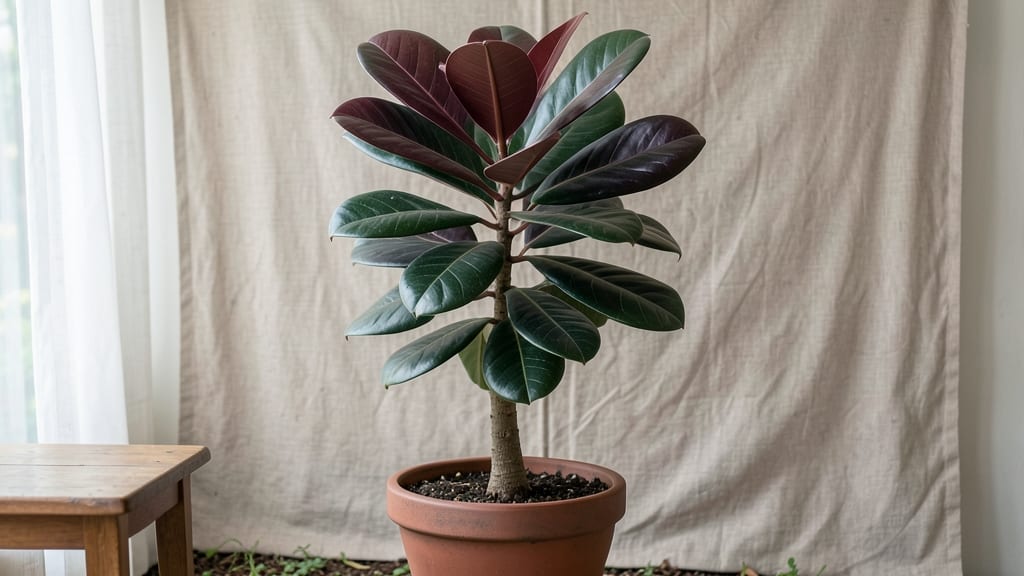
Wondering how tall do rubber trees grow before they outgrow your space? These striking 🌳 plants can become architectural marvels—but their final height depends entirely on where you grow them. Indoors, they typically stay between 10–30 feet, while outdoors they can soar past 50 feet under ideal conditions.
If you're eyeing a rubber tree for your home, the good news is their growth rate is manageable with the right care. With proper pruning and light exposure, you can keep them at a desirable height for years.
The key lies in understanding how indoor environments slow their expansion compared to outdoor settings.
Outdoor rubber trees thrive in warmer climates like USDA Zone 6a, where they can reach their full potential. But even in containers, they'll grow steadily—about 2–4 feet per year—if given enough sunlight and space. For smaller spaces, dwarf varieties offer a more compact solution without sacrificing their lush foliage.
Ready to grow your own? I’ll break down how to control their height, from pruning techniques to light requirements, so you can enjoy this tropical beauty at any size. Let’s get started!


Rubber tree height limits: indoor growth vs outdoor growth compared
Rubber trees (Ficus elastica) are famous for their dramatic height potential, but their growth skyrockets when grown outdoors. Indoors, they typically max out around 10–15 feet with proper care, while outdoor specimens can soar to 50 feet or more in ideal conditions.
The difference comes down to space, sunlight, and root development—let’s break it down.
Indoor rubber trees grow slower due to limited root space and controlled environments. Even with diligent care, most stay between 6–10 feet in a decade.
Outdoors, they thrive in tropical climates, where they can grow 3–5 feet per year under optimal conditions, reaching heights comparable to small trees in your backyard.
Here’s how the two environments compare side by side:
| Factor | Indoor Growth | Outdoor Growth |
|---|---|---|
| Mature Height | 10–15 ft | 30–50+ ft |
| Growth Rate | 1–2 ft/year | 3–5 ft/year |
| Sunlight Needs | Bright indirect | Full sun to partial shade |
| Root Space | Pot-bound | Unrestricted |
| Pruning Impact | Critical for height control | Less frequent |
Light exposure is the biggest factor in rubber tree height. Indoors, they rely on artificial light or east/west-facing windows to avoid legginess. Outdoors, they bask in 6+ hours of sunlight daily, fueling rapid vertical growth. Without enough light, even outdoor plants may grow slower or develop weak stems.
Pot size also plays a role indoors. A 10–15 gallon container limits root expansion, capping height at 8–12 feet. Upgrading to a 20+ gallon pot can push growth toward the 15-foot mark, but only if paired with bright light and regular fertilization.
Outdoor rubber trees, however, have no such limits. In tropical climates like USDA Zones 10–12, they grow wild, forming dense canopies. Without pruning, they can reach 50 feet or taller—think of them as small shade trees.
Even in Zone 9, they’ll grow aggressively if given space and consistent moisture.
Pruning is your secret weapon for controlling height, whether indoors or out. Strategic cuts can reduce indoor rubber trees to 3–5 feet while encouraging bushier growth. Outdoors, pruning is less about height control and more about shaping and maintaining health, especially in storm-prone areas.
If you’re growing a rubber tree indoors, aim for bright indirect light and rotate the pot every few weeks to ensure even growth. Outdoors, mulch the base to retain moisture and fertilize twice yearly with a balanced 10-10-10 mix to support rapid growth.
For the fastest outdoor growth, plant in well-draining soil with a 3-inch layer of compost at the base. Water deeply once a week during dry spells, and watch as your rubber tree becomes a backyard giant in just a few years.
How to control rubber tree height: pruning and care tips for small spaces
If your rubber tree is reaching for the ceiling faster than you’d like, don’t worry—pruning is your best friend for managing its height.
Indoor rubber trees can easily grow 10+ feet tall without intervention, but strategic cuts can keep them at a compact 3–5 feet while encouraging bushier, fuller growth. The key is timing and technique, which I’ll walk you through step by step.
Start pruning in early spring when new growth begins. This is when the plant is most responsive, and fresh cuts will sprout new leaves quickly. Use sterilized pruning shears to make clean cuts just above a leaf node—this is where new branches will form.
Avoid cutting too close to the stem, as this can leave unsightly scars and invite disease.
Here’s my pro pruning tip for rubber trees: Pinch back the top 2–3 inches of the main stem to encourage branching. This simple trick transforms a leggy, one-stem plant into a full, multi-branched bush in just a few months.
Repeat this process every 6–8 weeks during the growing season to maintain your desired height.
Light exposure directly impacts how much you’ll need to prune. Rubber trees grown in low-light conditions stretch toward any available light, becoming leggy and weak. To combat this, place your plant near an east-facing window or supplement with a grow light for 12–14 hours daily.
Well-lit trees grow sturdier and bushier, reducing the need for aggressive pruning.
Pot size matters too—smaller containers slow growth by restricting root expansion. If you’re aiming for a dwarf rubber tree, keep it in a 10–15 gallon pot and upgrade only when roots circle the drainage holes.
Larger pots encourage faster growth, so choose wisely based on your space and height goals.
Fertilizing plays a role in growth control too. Use a balanced 10-10-10 fertilizer every 4–6 weeks in spring and summer, but reduce feeding in fall and winter to slow growth during dormancy. Over-fertilizing can lead to rapid, unchecked height spikes, so always follow the "less is more" rule.
Finally, don’t forget to rotate your plant every few weeks to ensure even light exposure on all sides. This prevents one-sided growth and keeps your rubber tree symmetrical and healthy. With these tips, you’ll enjoy a perfectly sized rubber tree that fits your space without sacrificing its stunning foliage.