
Plants
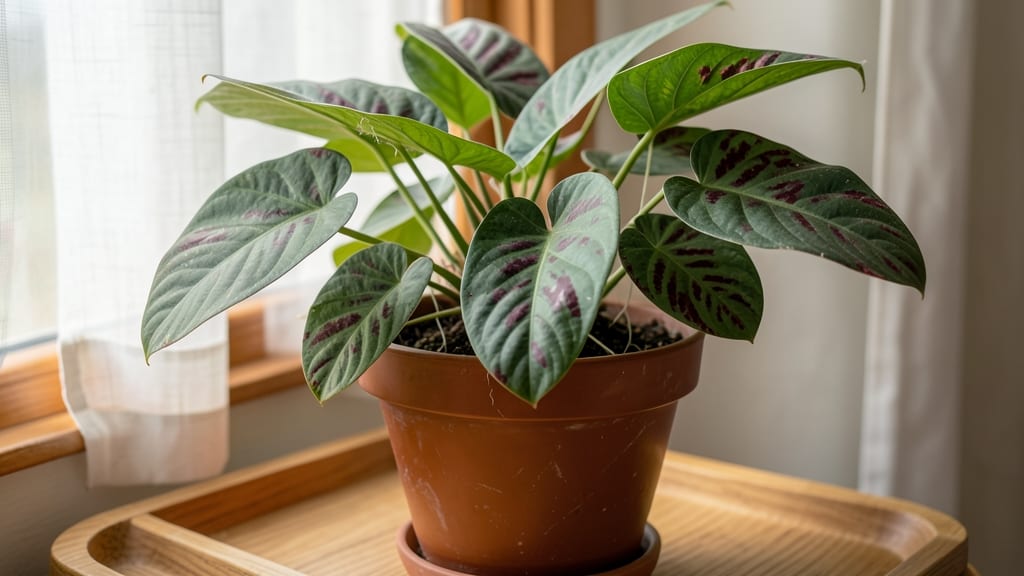
If you’ve ever wondered how tall do prayer plants grow before deciding where to place them, the answer might surprise you—these striking 🌿 beauties rarely exceed 1.5 feet, even with ideal care.
That compact size makes them perfect for shelves, desks, or even hanging baskets, but their mature height can vary based on the specific variety and growing conditions.
Most prayer plants (Maranta leuconeura) stay between 1 and 1.5 feet tall, with some dwarf varieties staying closer to 1 foot or less.
The key to controlling their height lies in light exposure, pot size, and pruning habits—factors that can either encourage bushier growth or keep them more contained.
Whether you’re planning a cozy windowsill display or a larger indoor garden, understanding these growth patterns helps you choose the right spot and care routine. Let’s break down exactly what to expect from your prayer plant’s height journey, from seedling to maturity.
From the delicate ‘Kerchoviana’ to the bold ‘Fascinator’, each variety has its own growth quirks. With the right approach, you can even train your plant to stay smaller—or let it stretch just enough to add drama to your space. Ready to learn the secrets?


Prayer plant height by variety: exact growth ranges for common cultivars
Prayer plants (Maranta leuconeura) are prized for their folding foliage and compact size, but their mature height varies dramatically by cultivar. Most stay between 12 to 18 inches tall, but some trailing varieties can stretch 24+ inches with proper care.
Understanding these differences helps you choose the right variety for your space—whether it’s a windowsill or shelving unit.
For example, the ‘Kerchoviana’ cultivar is one of the most popular, typically reaching 12–15 inches with bushy growth. In contrast, the ‘Fascinator’ variety can grow slightly taller, up to 16–18 inches, while its leaves are more elongated.
Trailing types like ‘Erythroneura’ may not grow as tall but send out longer stems (up to 2 feet) if given support.
Here’s a quick comparison to help you visualize sizes: a standard prayer plant at maturity is roughly the height of a standard desk lamp (12–18 inches), while trailing types resemble a tabletop fountain in spread. Knowing these ranges ensures you pick the right pot and location to avoid overcrowding.
| Variety | Mature Height | Growth Habit | Notes |
|---|---|---|---|
| ‘Kerchoviana’ | 12–15 inches | Bushy, upright | Classic variety; broad leaves |
| ‘Erythroneura’ | 10–14 inches | Trailing, compact | Dark purple undersides; needs support |
| ‘Fascinator’ | 14–18 inches | Upright, elongated | Longer leaves; slower growth |
| ‘White Crystal’ | 12–16 inches | Bushy, variegated | White-veined leaves; needs bright light |
| ‘Tricolor’ | 10–14 inches | Compact, trailing | Striped foliage; slower grower |
Height ranges assume ideal care: bright indirect light, 60–80% humidity, and regular feeding.
If you’re growing prayer plants in containers, pot size plays a surprising role in height. A smaller pot (6–8 inches) can restrict root growth and keep your plant shorter (10–12 inches), while a larger pot (10+ inches) encourages taller growth (up to 18 inches).
This is because roots have more space to expand, signaling the plant to grow upward.
For outdoor gardeners in USDA zones 10–12, prayer plants can be grown as tender perennials and may reach their full height faster due to warmer temperatures and higher humidity.
However, they’re rarely grown outdoors in colder climates—they thrive as houseplants year-round. Even in ideal outdoor conditions, their height rarely exceeds 2 feet.
One common misconception is that prayer plants will outgrow their space quickly. In reality, their growth is slow to moderate: expect about 2–4 inches per year under optimal conditions.
This makes them perfect for small spaces like apartments or offices, where you can enjoy their dramatic foliage without worrying about rapid expansion.
To maximize height (or control it), focus on light exposure and pruning habits. For example, placing your plant near an east-facing window encourages taller, leggier growth, while pruning the top stems promotes bushier, shorter growth.
We’ll dive deeper into these techniques in the next section, but for now, remember: patience is key—these plants grow at their own pace!
🌿
How light, pot size, and pruning affect prayer plant height
Your prayer plant’s height isn’t set in stone—it’s shaped by the environment you provide. Bright, indirect light encourages taller growth, while low-light conditions keep plants compact.
I’ve found that placing mine near an east-facing window (where morning sun is gentle) keeps their height manageable while showcasing their stunning foliage patterns. The key is balance: too much light can stretch stems, while too little slows growth entirely.
Pot size plays a surprising role too. Prayer plants thrive when root-bound, but cramming them into tiny containers forces them to grow upward. A 6-8 inch pot is ideal for most varieties—just ensure it has drainage holes. If you notice roots circling the bottom, it’s time to upgrade to a slightly larger container (10-12 inches max) to encourage bushier, slower growth. Overpotting, however, can lead to soggy soil and leggy stems.
Here’s the visual breakdown of how these factors interact to control height:
| Factor | Effect on Height | Actionable Tip |
|---|---|---|
| Light Conditions | Bright indirect light → 12-18 inches Low light → 8-12 inches |
Use sheer curtains to diffuse harsh light; rotate pot weekly for even growth. |
| Pot Size | Small pot (6") → Taller, leggy Medium pot (8-10") → Ideal height (12-15") |
Choose a pot 1-2 inches wider than the root ball to encourage bushiness. |
| Pruning | Regular pruning → Compact, fuller No pruning → Taller, sparse |
Trim leggy stems in spring/summer to promote branching. |
Pruning is your secret weapon for controlling height and shape. When you notice stems stretching toward the light, snip them back by one-third just above a leaf node. This triggers the plant to produce new side shoots, creating a fuller, bushier appearance. I prune mine every 3-4 months during the growing season (spring and summer), and it’s made a world of difference in keeping my Maranta leuconeura ‘Fascinator’ at a manageable 12-15 inches instead of towering over my shelves.
One common misconception is that prayer plants need frequent pruning to stay small. In reality, over-pruning can stress the plant and reduce its ability to grow. Stick to light trims—focus on removing only the longest, leggiest stems to maintain balance.
If you’re aiming for a trailing look, let the plant grow naturally and prune only to control sprawl.
For outdoor growers in USDA Zones 10-11, prayer plants can be grown as tender perennials in shaded garden beds. In this setting, they’ll reach their maximum height of 18 inches but require winter protection (like moving pots indoors).
If you’re growing yours indoors, humidity levels (ideally 50-70%) also influence height—dry air can cause stems to stretch as the plant seeks moisture. A pebble tray or humidifier keeps foliage lush and growth compact.
Pro tip: If your prayer plant starts to lean or flop, it’s a sign it needs sturdier support. Use a small moss pole or bamboo stake to guide growth without restricting natural movement.
This works especially well for trailing varieties like Maranta leuconeura ‘Kerchoviana,’ which can grow up to 2 feet wide if given the right conditions. Adjusting these factors lets you customize your plant’s height to fit your space—whether you want a compact desk companion or a statement plant on your bookshelf.