
Plants
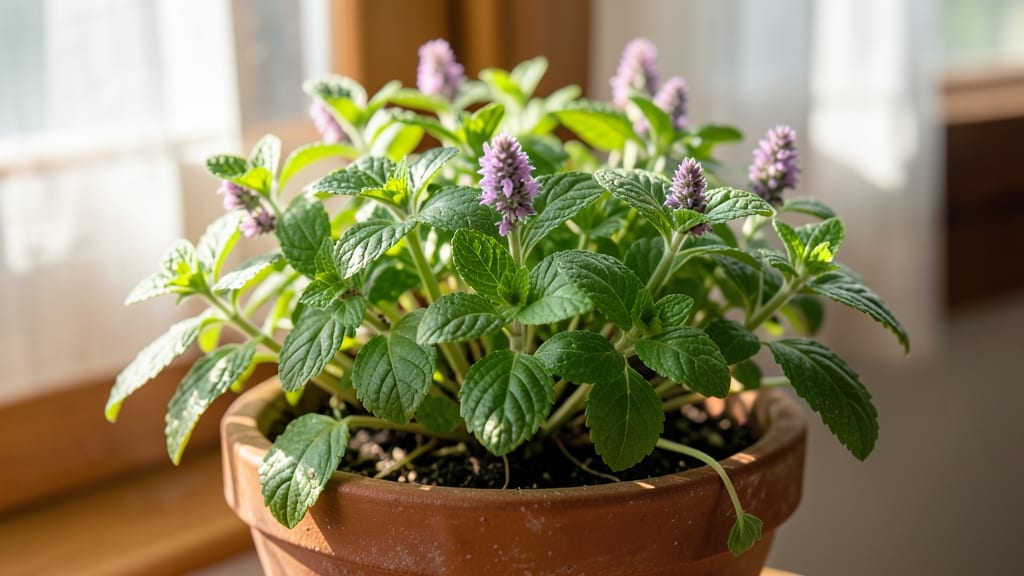
If you’ve ever planted mint wondering how tall do mint plants grow, only to watch it take over your garden like a green invasion force, you’re not alone.
This hardy 🌿 plant thrives on spreading, but understanding its typical height—usually between 1 and 3 feet—helps you manage its vigor while enjoying its fresh flavor.
The key to controlling mint’s growth lies in knowing its habits. While some varieties like spearmint stay compact, others like peppermint can reach nearly 3 feet if left unchecked. That’s why choosing the right variety and planting method makes all the difference—especially in USDA Zone 6a climates.
In this guide, I’ll break down how tall mint grows by variety, share proven strategies to keep it from sprawling, and explain when to harvest for the best flavor. Whether you’re growing it in containers or garden beds, these tips will help you enjoy mint without the chaos.
Ready to turn that wild spreader into a manageable, flavorful herb? Let’s dive into the details so you can grow mint the smart way—without losing your garden to it.


Mint plant height by variety: from compact to towering spreaders
Mint’s height can vary dramatically depending on the variety, growing conditions, and whether you’re growing it in containers or garden beds. Most mint plants reach a mature height of 12 to 24 inches, but some varieties can spread aggressively via underground runners, creating a dense ground cover.
If you’re planning your herb garden, knowing these specifics will help you choose the right spot—or container—to keep mint’s growth in check.
For example, spearmint and peppermint are classic varieties that typically grow 18 to 24 inches tall with a spread of 12 to 18 inches. These are the types you’ll find in most grocery stores, and they’re perfect for culinary use.
Meanwhile, chocolate mint and pineapple mint tend to stay slightly shorter, around 12 to 18 inches tall, but their spread can be just as vigorous.
If you’re dealing with limited space, consider dwarf varieties like apple mint or banana mint, which max out at 12 inches tall but still pack a punch in flavor.
These are ideal for container gardening or small windowsill setups where you want to control the plant’s height and spread without sacrificing productivity.
Here’s a quick reference for how different mint varieties compare in height and spread:
One thing to note is that mint’s height can be influenced by growing conditions. If you plant mint in a shady spot with partial sunlight, it may stay shorter but could become leggy and less flavorful.
On the other hand, giving it 4–6 hours of morning sun will encourage bushier growth and a more compact form. This is especially important if you’re growing mint in containers, where space is limited.
Mint’s spread is often more of a concern than its height. Underground runners can extend 2–3 feet in a single growing season if left unchecked, which is why many gardeners opt for container gardening.
A 5-gallon pot with drainage holes is perfect for most mint varieties, as it restricts the roots while still allowing the plant to thrive. Just be sure to place the container in a spot where it won’t outcompete nearby plants for water and nutrients.
If you’re growing mint in your garden beds, consider planting it along the edges or in a dedicated raised bed lined with landscape fabric. This creates a barrier to contain the roots while still allowing the plant to spread horizontally.
It’s a great compromise if you love the look of mint but want to avoid it taking over your entire garden.
For those who love experimenting, mint hybrids like watermint or ginger mint can offer unique flavors and slightly different growth habits. Watermint, for instance, tends to be slightly taller (up to 24 inches) but with a more upright growth pattern, making it easier to manage in containers.
Always check the specific variety’s care requirements before planting, as some may need slightly different conditions to reach their full potential.
Finally, remember that mint’s height and spread are closely tied to its harvesting habits. Regular pruning and harvesting encourage denser, bushier growth rather than tall, leggy stems. Aim to harvest mint in the morning after the dew has dried but before the sun is too intense.
This ensures the leaves are at their most flavorful and helps maintain a compact, manageable height.
🌿
Mint plant height by variety: from compact to towering spreaders
Mint’s height and spread vary dramatically between varieties, making it essential to choose the right type for your space. Most mint plants reach 12 to 24 inches tall at maturity, but some varieties—like apple mint—can stretch up to 3 feet with long, trailing stems.
Understanding these differences helps you decide whether to grow mint in containers or garden beds.
For gardeners with limited space, dwarf varieties like chocolate mint or pineapple mint stay compact at 12–18 inches, while classic peppermint and spearmint typically grow 2–3 feet tall.
The key difference lies in their spreading habits, with some varieties sending out aggressive runners that can dominate a garden bed.
If you’re growing mint in containers, choose varieties like chocolate mint or pineapple mint to prevent overflow. For garden beds, peppermint and spearmint thrive but require barriers or division to control their spread. Always plant mint in well-draining soil with partial shade to encourage bushier, more flavorful growth.
Mint’s height isn’t the only factor—its spreading roots can outcompete nearby plants. For example, apple mint can sprawl 3 feet wide, while spearmint stays slightly more contained. This makes container gardening the best option for urban gardeners or those with limited space.
For flavor intensity, prioritize regular pruning to keep plants at their ideal height. Overgrown mint loses potency and becomes woody, so harvest stems just above a leaf node to encourage new growth. This practice also prevents flowering, which reduces the plant’s aromatic qualities.
Whether you’re growing mint for culinary use, medicinal purposes, or just its fragrance, selecting the right variety based on height and spread ensures a thriving, manageable plant. Start with compact varieties if you’re new to mint gardening—you’ll thank yourself later when it doesn’t take over your yard!