
How To
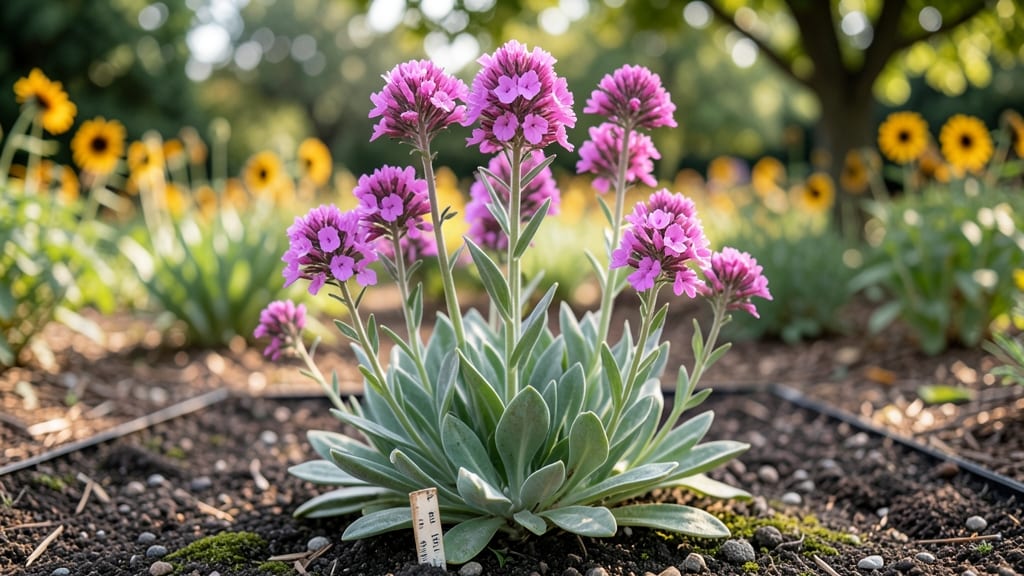
If you're planning your garden or picking out container plants, knowing how tall do sedum grow is the key to creating a balanced, eye-catching space.
This versatile succulent comes in a surprising range of heights—from tiny ground covers to sturdy shrubs—making it perfect for borders, rock gardens, or even hanging pots.
Some sedum varieties, like the popular Sedum spurium 🌱, stay compact at just 6-12 inches, while others, such as Sedum telephium, can reach a towering 3 feet or more.
The difference often comes down to sunlight, soil, and how you prune them—so choosing the right type for your space is everything.
Whether you're a beginner or a seasoned gardener, understanding these height variations helps you design with confidence. I’ll break down the most common sedum types, their mature sizes, and simple tips to keep them at your desired height—no green thumb required.
Ready to transform your garden or containers with sedum? Let’s dive into the heights, care tricks, and the best spots to plant them for maximum impact.


Sedum plant height ranges: compact vs tall varieties explained
Sedum plants are famous for their versatility in garden design, offering everything from ground-hugging ground covers to upright shrub-like varieties. Their mature heights can vary dramatically, so understanding these differences helps you choose the perfect sedum for your space.
Whether you're designing a rock garden or filling a container garden, knowing the height range ensures your sedum thrives without overwhelming your layout.
The height of sedum depends on its species and variety. Some types stay under 6 inches tall, making them ideal for container gardens or spillover edges. Others can reach 3 feet or more, providing bold focal points in garden beds.
Let’s explore the most popular sedum types and their mature heights to help you plan your garden with precision.
| Variety | Mature Height | Growth Habit | Best Use |
|---|---|---|---|
| Sedum acre ('Golden Moss') | 3-6 inches | Creeping, mat-forming | Rock gardens, containers, ground cover |
| Sedum spurium ('Dragon's Blood') | 6-12 inches | Low-growing, spreading | Borders, hanging baskets, slopes |
| Sedum telephium ('Autumn Joy') | 18-24 inches | Upright, bushy | Back of borders, perennial beds |
| Sedum spectabile ('Iceberg') | 24-36 inches | Clumping, dome-shaped | Focal points, mixed borders |
| Sedum morganianum ('Burro's Tail') | 12-18 inches (trailing) | Trailing, pendulous | Hanging baskets, vertical gardens |
For container gardening, the compact varieties like Sedum acre or Sedum spurium are perfect for small pots or window boxes. Their low-growing nature makes them ideal for spillover effects or edging designs.
In contrast, taller sedums like Sedum spectabile or Sedum telephium thrive in larger containers or garden beds, where their upright growth adds vertical interest.
If you're designing a rock garden or dry landscape, the creeping sedums are your best friends. Varieties like Sedum acre or Sedum album spread beautifully, filling gaps between rocks while requiring minimal water. Their drought tolerance makes them low-maintenance stars in xeric gardens.
For seasonal color, taller sedums like Autumn Joy or Iceberg deliver stunning blooms from late summer to fall. These varieties can reach 2-3 feet tall, making them perfect for backdrop plants in mixed borders. Pair them with shorter perennials to create layered visual interest.
Sunlight plays a crucial role in determining how tall your sedum grows. Most sedum varieties thrive in full sun, which encourages compact, bushy growth. However, if planted in partial shade, some types like Sedum telephium may grow slightly taller and leggier.
Always ensure your sedum gets at least 6 hours of sunlight daily for optimal height and health.
Soil type also influences height. Sedum prefers well-draining soil to prevent root rot, which can stunt growth. Amend heavy clay soil with sand or gravel to improve drainage. In poor soil conditions, sedum may grow more slowly but will still reach its mature height range over time.
Pruning can also help control height, especially for taller varieties. After flowering, trim back dead foliage to encourage new growth and maintain a neat appearance. For creeping types, occasional trimming keeps them from spreading too aggressively. Always use clean, sharp shears to avoid damaging the plant.
Whether you love the tiny charm of moss sedum or the bold stature of Autumn Joy, there’s a sedum variety to fit every garden style. By choosing the right height for your space, you’ll create a balanced, low-maintenance landscape that thrives year after year.
Sedum plant height ranges: compact vs tall varieties explained
If you're planning your garden or choosing sedum for containers, knowing their mature heights is key. Sedum varieties range from low-growing ground covers to upright shrubs, each offering unique textures and colors. The height differences between types can influence your layout—whether you want cascading edges or bold vertical accents.
Most sedum plants reach maturity within 2-3 years, with their final height determined by genetics and growing conditions. For example, creeping sedum stays under 6 inches, while upright varieties like 'Autumn Joy' can top 3 feet.
Understanding these ranges helps you select the perfect fit for your space.
| Variety | Mature Height | Growth Habit | Best For |
|---|---|---|---|
| Sedum acre ('Golden Moss') | 3-6 inches | Creeping mat | Rock gardens, containers |
| Sedum spurium ('Dragon's Blood') | 12-18 inches | Upright clumps | Borders, pollinator gardens |
| Sedum telephium ('Autumn Joy') | 24-36 inches | Bushy shrub | Back of borders, cut flowers |
| Sedum morganianum ('Burro's Tail') | 12-18 inches | Trailing | Hanging baskets, vertical gardens |
Sunlight exposure directly impacts sedum height. Varieties like 'Autumn Joy' grow taller in full sun, while shadier conditions may stunt their growth. If you're growing sedum in containers, choose a pot size that matches the mature height—smaller pots for compact types and deeper containers for taller varieties.
For garden beds, space sedum according to their mature width. Creeping types like 'Golden Moss' spread 12-18 inches wide, while upright varieties need 18-24 inches between plants. Proper spacing prevents overcrowding and ensures airflow, reducing disease risk.
Pruning in early spring encourages bushier growth and controls height. Simply trim back 1/3 of the plant to shape it. This works especially well for taller sedum types that may become leggy. Regular pruning also extends the blooming season by promoting new flower growth.
Whether you love the look of low-growing sedum for ground cover or prefer taller varieties for drama, choosing the right type ensures your garden thrives. Experiment with different heights to create layers and texture in your landscape design.