
Size
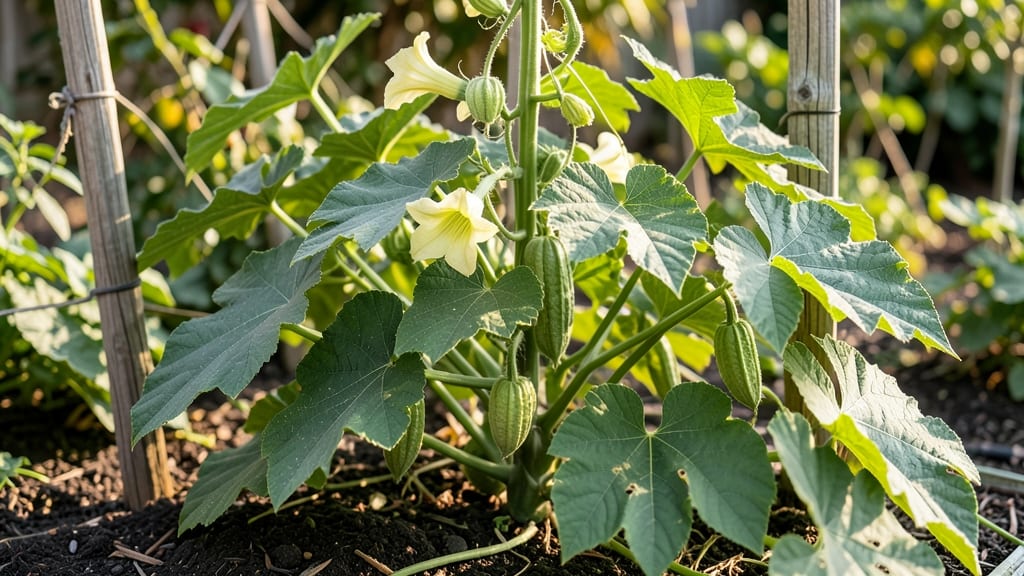
If you've ever wondered just how tall loofah plants 🍈 can grow, you're not alone—many gardeners are surprised by their rapid vertical climb. These vigorous vines can easily stretch between 10 to 25 feet in a single growing season, making them one of the fastest-growing plants in your garden.
Whether you're planning a trellis or just curious about their space needs, understanding their growth habits is key. Loofahs thrive in warm climates like USDA Zone 6a, where they spread quickly from spring planting through late fall harvests.
Without proper support, they'll sprawl aggressively, so knowing their potential height helps you prepare your garden layout.
What makes loofah plants so impressive isn't just their height, but how adaptable they are to different growing conditions. With the right trellis or training, you can control their growth while still enjoying a bountiful harvest. Let's explore how to maximize their potential without letting them take over your space.
From dwarf varieties (which don't exist—loofahs are always tall!) to creative pruning techniques, there are ways to manage their size. Whether you're working with a small balcony or a spacious backyard, these tips will help you grow loofahs efficiently. Ready to transform your garden with these towering vines?


Loofah plant height: how tall they grow and what affects their size
Loofah plants, also known as luffa, are fast-growing vines that can become garden giants if left unchecked. On average, mature loofah plants reach 10 to 25 feet tall, with some varieties stretching even longer under ideal conditions.
If you're planning your garden layout, this vining habit means proper spacing and support are essential from day one.
The two most common species—Luffa aegyptiaca (smooth loofah) and Luffa cylindrica (ridged loofah)—both climb aggressively, but their growth rates and final heights can vary based on climate, sunlight, and care.
In warmer regions like USDA Zones 8-11, loofahs can grow 20+ feet in a single season, while cooler climates may see slightly shorter vines unless given extra warmth.
Here’s the key factor: without trellising, loofah vines will sprawl horizontally, potentially covering 20+ feet of ground space. But with a sturdy vertical support system, you can redirect that energy upward, saving space in your garden.
Think of it like training a jungle gym for your plants—more height, less chaos!
Now, let’s talk numbers. In their first year, loofah plants typically grow 10 to 15 feet tall, while established vines can reach 15 to 25 feet by their second year.
If you’re growing them as annuals (which most gardeners do), you’ll focus on maximizing height in one season. For perennials in tropical climates, expect even taller growth over multiple years.
| Factor | Impact on Height | Notes |
|---|---|---|
| Species | 10–25 ft | Luffa aegyptiaca (smooth) vs. Luffa cylindrica (ridged) |
| Sunlight | +5–10 ft | Full sun (6+ hours/day) boosts growth |
| Trellising | Reduces sprawl | Vertical support = taller, not wider |
| Pruning | -3–5 ft | Aggressive pruning limits height |
| Climate | ±5 ft | Warmer zones = taller vines |
One of the biggest myths about loofah plants is that they’re low-maintenance sprawlers—but without guidance, they’ll take over your garden like a runaway vine monster. The good news? With the right trellis or cage, you can control their height while still enjoying a bountiful harvest.
I’ve seen loofahs trained up 12-foot tall bamboo trellises in my own garden, producing dozens of sponges without crowding other plants.
If you’re growing loofahs in containers, expect slightly shorter heights—10 to 15 feet max—since root space is limited. But even in pots, these vines will climb anything they can latch onto, so always provide a strong support structure.
A DIY wooden trellis or metal cage works great, but avoid flimsy stakes—they’ll snap under the weight of mature vines.
Here’s a pro tip: Pinch back the tips of young loofah vines to encourage bushier growth and shorter overall height. This technique is especially useful if you’re short on vertical space.
Just snip the top inch of new growth when the plant is about 3 feet tall, and watch it branch out instead of shooting straight up like a rocket.
Finally, don’t forget that loofah plants are annuals in most climates, meaning they’ll die back after their first harvest. But in tropical or subtropical zones, they can return year after year, growing even taller with each season.
If you’re in a cooler area, treat them as one-season wonders and plan accordingly for next year’s planting.
Ready to harness that vertical growth? Start with a 10-foot trellis as a minimum—trust me, your loofahs will thank you! 🌱
Best trellis and support options for controlling loofah plant growth
When it comes to managing loofah plant height, the right trellis or support system makes all the difference. Without proper guidance, those 10–25-foot vines will sprawl uncontrollably, turning your garden into a tangled mess.
But with the right structure, you can redirect their growth upward, saving space while maximizing yield. The key is choosing a support that’s sturdy enough to handle their weight—loofah vines can get surprisingly heavy when laden with fruit!
For most gardeners, a 10–12-foot tall trellis is the gold standard. This height accommodates the average first-year growth while leaving room for expansion. I’ve found that bamboo trellises or metal cages work exceptionally well—they’re durable, rust-resistant, and easy to assemble.
If you’re growing loofahs in a small-space garden, opt for a 6–8-foot trellis and supplement with horizontal wires to encourage lateral growth.
Here’s a quick comparison of the best support options to keep your loofah plants in check:
| Support Type | Max Height | Best For | Pros | Cons |
|---|---|---|---|---|
| Bamboo Trellis | 12–15 ft | Backyards, large gardens | Affordable, natural look, sturdy | May need reinforcement |
| Metal Cage | 8–12 ft | Containers, small spaces | Durable, reusable, compact | Can be expensive |
| DIY Wooden Trellis | 10–20 ft | Custom garden layouts | Customizable, cost-effective | Requires tools/time |
| String Trellis | 6–10 ft | Balconies, small gardens | Lightweight, easy to install | Less sturdy for heavy vines |
| PVC Pipe Frame | 10–15 ft | Modern gardens, urban spaces | Lightweight, weather-resistant | May need extra bracing |
Training your loofah vines is just as important as choosing the right support. Start by tying the main vine to the trellis when it’s about 2–3 feet tall. Use soft plant ties or old fabric strips to avoid damaging the stem.
As the vine grows, gently weave it through the trellis or wrap it around horizontal wires to encourage upward growth. If you notice the vine lagging behind, give it a gentle nudge in the right direction—loofahs are surprisingly responsive to manual guidance!
One common mistake is waiting too long to provide support. If you let the vine sprawl for even a few weeks, it’ll become top-heavy and difficult to train.
I’ve seen loofahs that started late on trellises end up with lopsided growth, where one side dominates while the other trails behind. To avoid this, install your trellis at planting time and encourage the vine to climb from day one.
For container gardening, opt for a freestanding cage or a tall, sturdy trellis that fits inside the pot. Loofahs in containers will still reach 10–15 feet tall, but their root space limits overall growth.
If you’re short on vertical space, consider pruning side shoots to focus energy on the main vine. Just remember: even in pots, these plants are powerful climbers, so never skimp on support!
Pro tip: If you’re growing loofahs in a windy area, add extra cross-bracing to your trellis. Those long vines can flop dramatically in storms, and a well-anchored trell