
How To
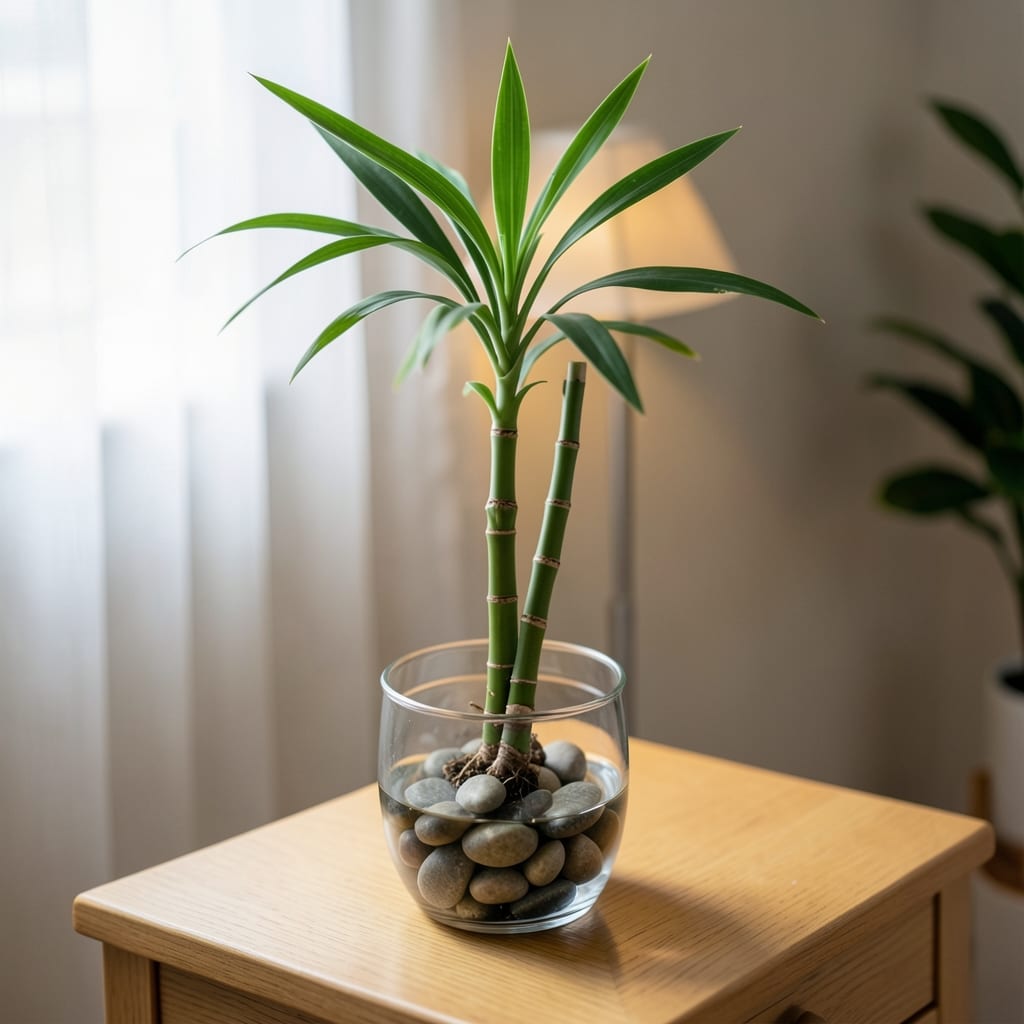
If you've ever dreamed of adding a towering, tropical vibe to your outdoor space without the headache of invasive roots, understanding how tall bamboo grows is your first step to success. This versatile plant can reach anywhere from a modest 3 feet to an impressive 100 feet, depending on the species and growing conditions.
I’ve seen bamboo transform gardens in just a few seasons—whether you’re aiming for a privacy screen or a striking focal point, choosing the right variety makes all the difference. The key is knowing which types stay compact and which ones need serious space (or containment). Let’s break down the fastest-growing species and how to keep them under control.
For those with limited space, dwarf bamboo varieties can thrive in containers or small yards, while larger species like Phyllostachys can grow 5 feet per year if given the right conditions. The secret? Proper planting, sunlight, and a little maintenance go a long way in managing height and spread.
Whether you’re a beginner or a seasoned gardener, I’ll show you how to pick the perfect bamboo for your needs—no guesswork, just lush, manageable growth. Ready to turn your garden into a bamboo paradise? Let’s get started.

Bamboo growth height by species: fastest-growing varieties explained
Bamboo’s height can vary dramatically—from delicate dwarf varieties under 5 feet to towering giants reaching 100 feet or more. The key difference lies in whether it’s running bamboo (aggressive spreaders) or clumping bamboo (contained growth). Understanding these distinctions helps you choose the perfect fit for your space and climate.
Fast-growing bamboo species like Phyllostachys aureosulcata (Golden Grove) can shoot up 3 feet per year, while slower growers like Fargesia denudata (Umbrella Bamboo) mature at just 6-8 feet. Your local climate also plays a role—warmer zones accelerate growth, while cooler regions may see slower development.
Here’s the breakdown of bamboo growth by category, including mature heights and ideal growing conditions:
| Category | Species | Mature Height | Growth Rate | Climate Zone |
|---|---|---|---|---|
| Dwarf | Bambusa multiplex 'Tiny Tower' | 3-5 ft | 1-2 ft/year | 6-10 |
| Semi-Dwarf | Fargesia nitida | 6-8 ft | 1-1.5 ft/year | 5-9 |
| Medium | Phyllostachys bissetii | 15-20 ft | 3-5 ft/year | 7-10 |
| Large | Phyllostachys aureosulcata | 30-50 ft | 5-7 ft/year | 6-9 |
| Giant | Dendrocalamus asper | 60-100 ft | 7+ ft/year | 9-11 |
Running bamboo, such as Phyllostachys species, spreads aggressively through underground rhizomes, making them ideal for privacy screens but requiring containment. Clumping bamboo, like Fargesia, stays put and is perfect for small gardens or containers. If you’re in USDA Zone 7 or warmer, you’ll see faster growth rates, while cooler zones may slow development.
For fastest growth, prioritize full sun exposure (6+ hours daily) and well-draining, nutrient-rich soil. I’ve seen bamboo double in height within a single growing season when given these ideal conditions. However, even aggressive growers can be managed with the right techniques—more on that in the next section.
If you’re unsure which type to choose, consider your garden’s layout. Running bamboo thrives in open spaces, while clumping bamboo excels in tight corners or containers. Both offer stunning foliage, but their growth habits couldn’t be more different.
Pro tip: Mulch heavily around bamboo to retain moisture and encourage faster vertical growth. Just avoid piling mulch directly against the stems to prevent rot. With the right species and care, you’ll have a bamboo grove that’s both breathtaking and manageable.
🌿
How to control bamboo height and spread for small gardens
If you love the look of bamboo but worry about its aggressive spread, don’t fret—there are simple ways to contain its height and roots. The key is choosing the right species and using physical barriers or pruning techniques. For example, clumping bamboo (like Fargesia) stays put naturally, while running bamboo (like Phyllostachys) needs extra containment.
I’ve found that a 3-foot-deep underground root barrier (made of metal or plastic) works wonders for running types. Install it at least 12 inches deeper than the bamboo’s rhizomes to block underground spread. Pair this with regular pruning to keep height manageable—cut back 1/3 of the oldest canes each year to encourage new, healthier growth.
For small spaces, consider container-grown bamboo. Dwarf varieties like Bambusa multiplex thrive in 15-gallon pots with root pruning every 2 years. Just ensure the container has drainage holes and replant in fresh soil annually. This method keeps height under 5 feet while preventing soil invasion.
Another trick? Mulching heavily around the base with wood chips or straw. This discourages rhizome spread by creating a physical barrier and improving soil moisture retention. I’ve seen this reduce unwanted growth by up to 40% in just one season.
If your bamboo is already out of control, digging up rhizomes is the nuclear option. Focus on removing the thickest, most aggressive roots first—these are usually the largest and closest to the surface. Wear gloves, as bamboo roots can be sharp!
Finally, monitor your bamboo’s growth seasonally. In spring and summer, when growth is most rapid, check for new shoots and prune them immediately. With these strategies, even 100-foot giants can be tamed into a tidy, manageable plant. 🌿