
Size
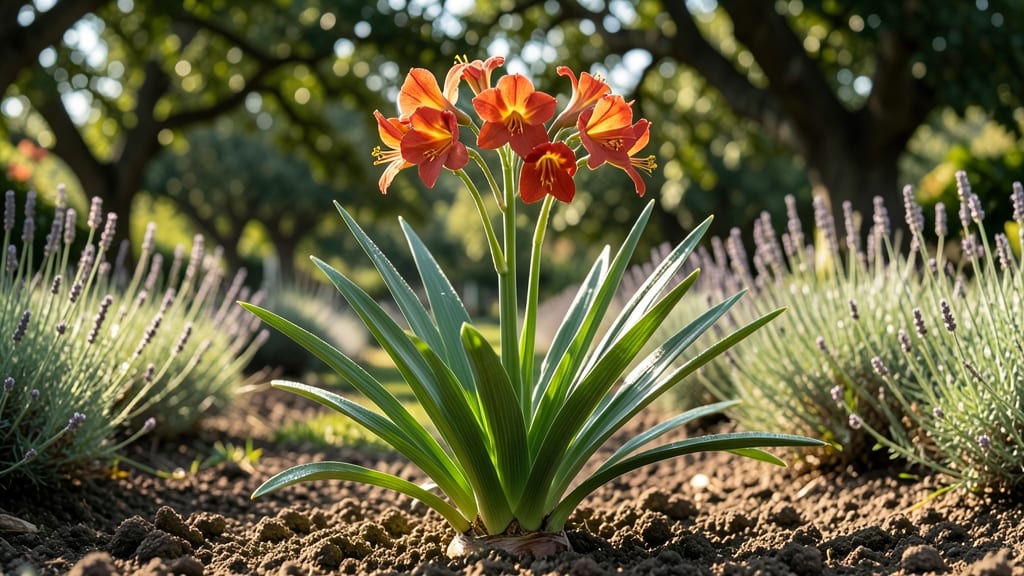
If you're planning your garden beds and wondering "how tall do ixia grow", you're in the right place. These striking South African bloomers can range from compact 6-inch charmers to show-stopping 24-inch giants, depending on the cultivar you choose.
The beauty of ixia lies in their versatility—whether you're creating a low-border display or a dramatic cut-flower arrangement, their height variations let you customize your design. Dwarf varieties like 'Fireworks' stay neatly contained, while taller types like 'Orange Queen' reach for the sky.
What truly sets ixia apart is how their mature height impacts spacing needs. Planting too close can stunt growth, while giving them room to spread ensures those vibrant 🌸 blooms thrive. We'll break down the exact spacing you need for each height category to maximize both beauty and bloom density.
Ready to transform your garden? Let's explore how to select the perfect ixia height for your space and care for them to reach their full potential—whether that means 3 inches of delicate petals or towering 2-foot stems ready for your vase.


Ixia height variations: dwarf vs giant cultivars explained
Ixia plants dazzle with their vibrant iris-like blooms and come in a stunning range of heights from 3 to 24+ inches. The key difference lies in their cultivar classification—dwarf varieties stay compact, while giant cultivars reach impressive heights.
Understanding these variations helps you choose the perfect ixia for your garden design, whether you need border edging or striking cut flowers.
Dwarf ixia cultivars typically mature between 3 to 12 inches tall, making them ideal for rock gardens, containers, or fairy gardens. These petite powerhouses pack a punch with their bold colors and dense blooms, often producing multiple flowers per stem.
Their low stature also makes them perfect for urban gardens or small spaces where taller plants might overwhelm.
On the other end of the spectrum, giant ixia varieties can soar up to 24 inches or more, creating dramatic vertical interest in borders or mixed perennial beds.
These taller cultivars often feature larger, showier blooms that make excellent cut flowers for arrangements. Their height also provides excellent backdrop potential when paired with shorter perennials.
Here’s a quick comparison of popular ixia cultivars by height to help you visualize their mature sizes:
| Cultivar | Height Range | Best For | Bloom Color | Spacing Needs |
|---|---|---|---|---|
| 'Fireworks' | 6–10 inches | Containers, rock gardens | Red, orange, yellow | 3–4 inches apart |
| 'Black Beauty' | 8–12 inches | Border edges, cut flowers | Deep purple-black | 4–5 inches apart |
| 'Orange Queen' | 12–18 inches | Back of borders, cut arrangements | Bright orange | 6–8 inches apart |
| 'Giant Star' | 18–24+ inches | Dramatic focal points | White with yellow | 8–12 inches apart |
| 'Tiny Tease' | 3–6 inches | Fairy gardens, windowsills | Pink, lavender | 2–3 inches apart |
When selecting ixia cultivars, consider your garden layout and sunlight exposure. Taller varieties thrive in full sun (6+ hours daily) and need well-draining soil to reach their full height potential. Dwarf cultivars are more adaptable to partial shade, making them versatile for various garden settings.
Pro tip: Mix tall and short ixia in the same bed for a staggered blooming effect. Plant taller varieties at the back and dwarfs in front to create depth and visual interest. This layering technique also helps prevent overcrowding as the plants mature.
For container gardening, choose dwarf or semi-dwarf cultivars to avoid spilling over the edges. A 6-inch pot can comfortably hold 3–5 dwarf bulbs, while a 12-inch container can accommodate 5–7 medium-height varieties. Always ensure containers have drainage holes to prevent root rot, which can stunt growth.
Remember that ixia height can vary slightly based on growing conditions. Plants in rich, well-draining soil with adequate sunlight will generally reach their maximum height potential. In contrast, poor soil or shade can result in shorter, less robust growth.
If you’re growing ixia for cut flowers, taller cultivars like 'Orange Queen' or 'Giant Star' will provide longer stems for arrangements. Harvest stems when the lower blooms open fully but before the upper buds fade, ensuring the longest vase life.
Ixia height variations: dwarf vs giant cultivars explained
Ixia plants are famous for their striking, iris-like blooms and their dramatic height variations—from tiny dwarf cultivars that barely peek above ground to giant varieties that reach nearly two feet tall.
Understanding these differences helps you choose the perfect ixia for your garden design, whether you're creating a border garden, cut-flower arrangement, or container display. Most ixia cultivars fall into three height categories: dwarf (3–12 inches), medium (12–18 inches), and giant (18–24+ inches).
Dwarf ixia, like the 'Fireworks' series, are ideal for rock gardens, fairy gardens, or window boxes where space is limited. Their compact size—often just 3–6 inches tall—makes them perfect for filling gaps between larger perennials.
On the other end of the spectrum, giant cultivars such as 'Black Beauty' or 'Orange Queen' can add dramatic vertical interest to back borders or cut-flower gardens, where their 18–24-inch stems create bold focal points.
| Cultivar Type | Height Range | Best Uses | Spacing Needs |
|---|---|---|---|
| Dwarf (e.g., 'Fireworks') | 3–6 inches | Rock gardens, containers, fairy gardens | 3–4 inches apart |
| Medium (e.g., 'Bluebird') | 12–18 inches | Border gardens, mixed beds | 5–6 inches apart |
| Giant (e.g., 'Black Beauty') | 18–24+ inches | Back borders, cut flowers, tall arrangements | 8–12 inches apart |
Height isn’t the only factor to consider—bloom density and stem strength also vary by cultivar. For example, 'Orange Queen' may reach 20+ inches but produces fewer blooms per stem compared to 'Fireworks', which stays under 6 inches but bursts with 10–15 flowers per cluster.
If you’re growing ixia for cut flowers, prioritize taller cultivars with strong, upright stems like 'Black Beauty' or 'Pink Pearl' to ensure longevity in arrangements.
One common misconception is that all ixia grow to the same height. In reality, height is genetically determined, but environmental factors like sunlight exposure, soil fertility, and watering consistency can influence how close your plants reach their optimal height.
For instance, dwarf ixia grown in partial shade might stretch taller than expected, while giant cultivars in rich, well-draining soil can surpass their typical 24-inch mark. Always check the specific cultivar’s care tag for precise expectations.
For container gardening, dwarf and medium-height ixia thrive in 6–8-inch pots, while giants need 12-inch or larger containers to accommodate their bulb clusters and root spread.
Mixing heights in a single pot—like pairing 'Fireworks' (3 inches) with 'Bluebird' (15 inches)—creates a stunning layered effect, but ensure each cultivar has enough root space to prevent competition.
Use well-draining potting mix with perlite or sand to mimic their native South African clay soils and encourage healthy, compact growth.
Pro tip: If you’re unsure about height, start with a mixed pack of dwarf and medium ixia—this lets you experiment with spacing and design while keeping your garden flexible. Once you see how they perform in your microclimate, you can plan future plantings with confidence.
Just remember, taller ixia need staking in windy areas to prevent flopping stems and lost blooms.