
Vegetables
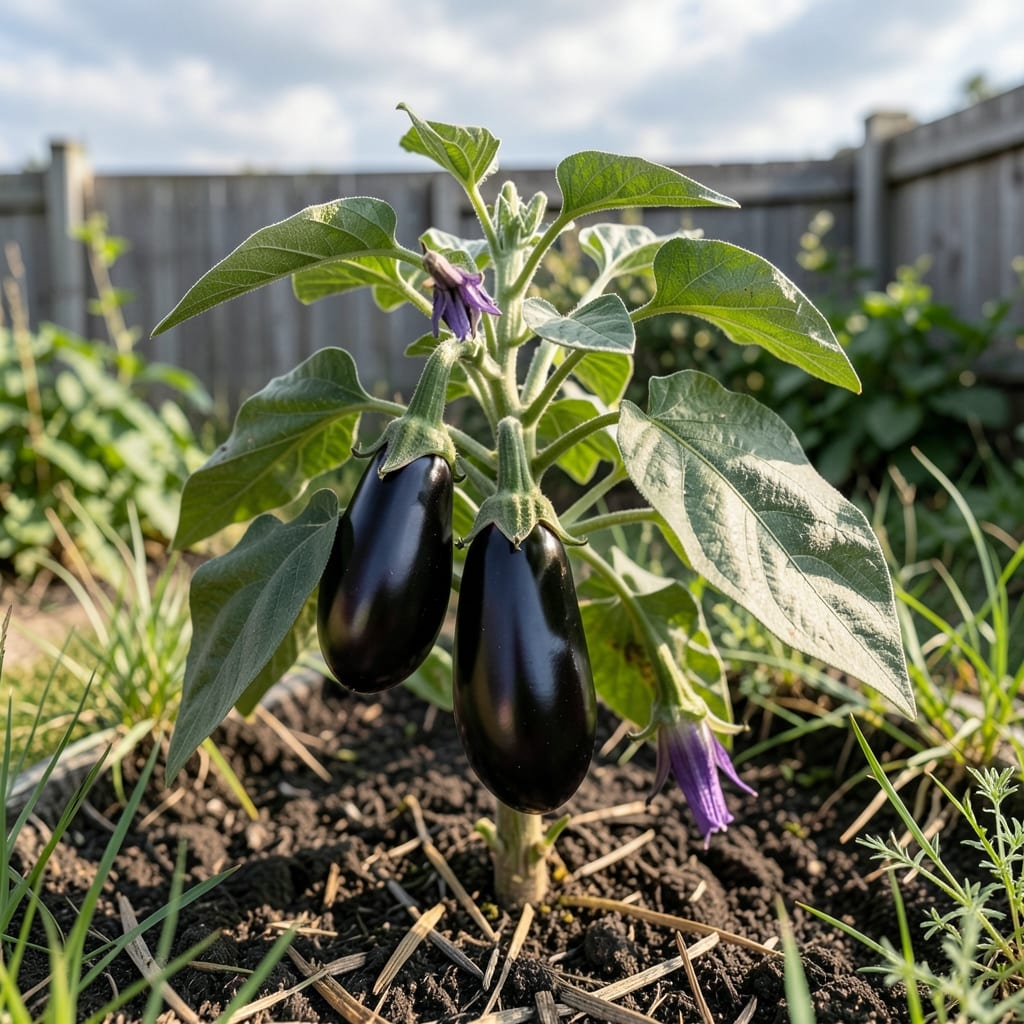
If you're growing Black Beauty eggplants 🍆, you might be surprised to learn how tall they can grow—reaching heights of 3 to 5 feet—but with the right care, you can control their growth for bigger yields. Unlike some varieties that stay compact, these classic eggplants have a tendency to grow tall, which means proper spacing and support are key to preventing overcrowding and disease.
Understanding their mature height isn’t just about fitting them into your garden—it’s about maximizing fruit production. Black Beauty eggplants are indeterminate, meaning they’ll keep growing taller and producing fruit until frost, but that doesn’t mean you have to let them sprawl uncontrollably. With strategic pruning and support, you can guide their growth for healthier plants and more abundant harvests.
Whether you’re growing them in containers or garden beds, knowing how tall they’ll get helps you plan spacing and support systems early. Proper spacing (about 18 to 24 inches apart) gives them room to thrive without competing for nutrients, while trellises or cages can help manage their height and keep fruits off the ground.
Ready to get the most out of your Black Beauty eggplants? Learn how to prune and support them for optimal growth—and check our full eggplant care guide for even more tips!

Black Beauty eggplant height: mature size and growth stages explained
Black Beauty eggplants are classic garden staples, but their mature height often surprises new growers. These plants typically reach 3 to 5 feet tall when grown in ideal conditions, though they can exceed 5 feet in spacious garden beds with rich soil and full sun. Their indeterminate growth means they’ll keep producing flowers and fruit until frost, but proper spacing and pruning are essential to manage their height and encourage robust fruit development.
Understanding their growth stages helps you anticipate when they’ll need support. In the seedling stage (first 4-6 weeks), they stay compact, usually under 1 foot tall. Once transplanted, they enter rapid vertical growth, reaching 2 to 3 feet by mid-summer. Without pruning, they can become leggy, with stems stretching toward sunlight and reducing fruit quality. Their height also varies based on growing conditions—container-grown plants may stay shorter (2-3 feet) due to root restrictions, while those in garden beds thrive taller.
Here’s a quick breakdown of how their height compares to other eggplant varieties. Unlike determinate varieties (which stop growing after flowering), Black Beauties keep growing, making height management a key factor in yield. For example, Ichiban eggplants stay shorter (2-3 feet), while Black Krim can rival Black Beauty’s height but with a bushier habit.
| Growth Stage | Height Range | Key Characteristics |
|---|---|---|
| Seedling (0-4 weeks) | 0-12 inches | Delicate stems, first true leaves |
| Vegetative (4-8 weeks) | 1-3 feet | Rapid stem elongation, leafy growth |
| Flowering (8-12 weeks) | 3-5 feet | Heavy flowering, fruit development begins |
| Mature (12+ weeks) | 4-6 feet (if unpruned) | Indeterminate growth, continuous fruiting |
One common misconception is that taller eggplants automatically produce more fruit. In reality, overly tall plants with poor air circulation are prone to disease (like powdery mildew) and pest infestations. That’s why pruning and spacing are critical. For example, planting them 18-24 inches apart in rows 2 feet apart gives them enough room to grow without competing for nutrients. In containers, stick to 5-gallon pots or larger to avoid stunted growth.
Environmental factors also play a huge role in their height. Full sun exposure (6-8 hours daily) encourages vertical growth, while partial shade can result in leggy, weaker plants. Similarly, rich, well-draining soil with compost promotes healthy growth, while poor soil leads to smaller, less vigorous plants. If you notice your Black Beauty eggplants growing too tall and spindly, it’s often a sign of nutrient deficiencies (like nitrogen) or overcrowding.
To keep their height in check while maximizing yield, focus on balanced pruning and support systems. For instance, removing suckers (side shoots) early in the season redirects energy to fruit production rather than excessive height. Pair this with staking or cages, and you’ll see healthier plants with bigger, more abundant eggplants. The key is to guide their growth rather than letting them sprawl uncontrollably.
If you’re growing Black Beauty eggplants in containers, expect slightly shorter plants (2-3 feet) due to root constraints. However, they’ll still produce high-quality fruit if given proper care. For garden beds, aim to train them vertically using trellises or tomato cages to save space and improve airflow. This not only controls height but also makes harvesting easier and reduces the risk of soil-borne diseases.
Pro tip: If you’re growing Black Beauty eggplants alongside other vegetables, avoid planting them near potatoes or tomatoes, as they share diseases like verticillium wilt. Instead, pair them with basil or marigolds, which repel pests and improve growth. With the right spacing, pruning, and support, you’ll enjoy healthier plants and a bountiful harvest—no matter how tall they grow!
Pruning Black Beauty eggplants for optimal height and fruit production
Pruning your Black Beauty eggplants isn’t just about controlling their height—it’s a game-changer for fruit size and yield. Since these plants grow 3 to 5 feet tall if left unchecked, strategic pruning redirects energy from excessive growth to producing larger, healthier eggplants. The key is to focus on removing suckers (those small shoots that form in the leaf axils) and thinning foliage to improve airflow, which reduces disease risk and boosts fruit development.
Start pruning when your plants are about 12 to 18 inches tall, typically 4 to 6 weeks after transplanting. Use clean, sharp pruners to avoid damaging the main stem. Remove suckers that are smaller than a pencil, as larger ones can compete with the main plant for nutrients. Aim to leave 3 to 5 main stems per plant, as this encourages a bushier, more productive structure while keeping height manageable.
Here’s a step-by-step guide to pruning for optimal height and fruit production:
- 🌱 Step 1: Identify Suckers – Look for small shoots growing between the main stem and branches. These are your suckers.
- 🪴 Step 2: Pinch or Snip – Use your fingers to pinch off small suckers or pruners for larger ones. Always cut just above a leaf node.
- ✂️ Step 3: Thin Foliage – Remove overlapping leaves to improve airflow, especially near the base where fruit forms.
- 🌿 Step 4: Prune Lower Branches – Trim branches below 18 inches from the ground to keep the plant compact and reduce disease risk.
- 🍆 Step 5: Focus on Fruit Zones – Leave 1 to 2 flowers per cluster to ensure larger, healthier eggplants.
One common mistake is over-pruning, which can stress the plant and reduce fruit production. Avoid cutting more than 25% of the foliage at once, and never remove more than one-third of the plant’s leaves in a single session. Another pitfall is pruning too late in the season, which gives the plant less time to recover and produce fruit. Stop pruning 6 to 8 weeks before the first frost to allow for maximum harvest.
Pruning also helps manage plant height in containers, where space is limited. If your Black Beauty eggplant starts to outgrow its pot, prune aggressively to redirect energy to fruit production. Pair this with regular fertilizing (every 4-6 weeks with a balanced 10-10-10 fertilizer) to support growth without encouraging excessive height. For example, if you notice your plant growing too leggy, it’s likely due to insufficient light or overcrowding, not just genetics.
For maximum yield, combine pruning with support systems like cages or stakes. This not only controls height but also keeps fruits off the ground, reducing rot and making harvesting easier. If you’re growing Black Beauty eggplants in rows, space them 18 to 24 inches apart to allow for airflow and prevent disease. With the right pruning techniques, you can keep your plants healthy, compact, and highly productive—even as they reach their mature height.
Ready to prune like a pro? Grab your pruners and get started—your bigger, healthier eggplants will thank you! For even more tips, check out our full eggplant care guide to keep your plants thriving all season.