
Flowers
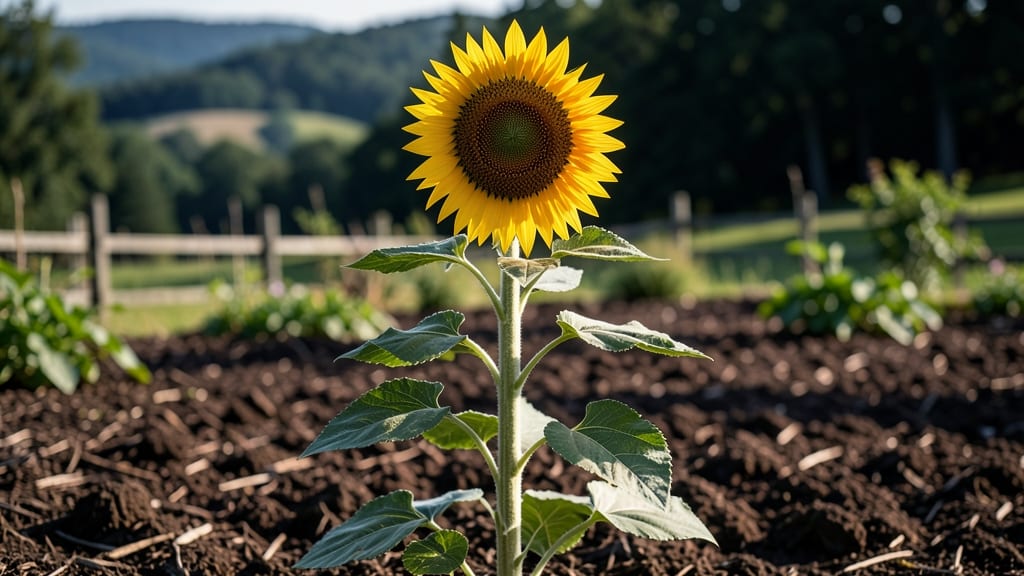
If you’ve ever wondered how tall do giant sunflowers grow, the answer might surprise you—these towering beauties can reach heights that rival small trees!
With the right care, varieties like the Mammoth Russian can stretch 12 to 16 feet or more, making them a stunning focal point in any garden.
But here’s the catch: achieving that record-breaking height isn’t just luck. It’s all about the right conditions—think rich soil, plenty of sunlight, and proper spacing. Even in USDA Zone 6a, where spring planting kicks off in April, these sunflowers thrive with the right techniques.
In this guide, I’ll break down the tallest varieties, share secrets to maximize growth, and debunk common myths about their size. Whether you’re a beginner or a seasoned gardener, you’ll learn how to coax your 🌻 Giant Sunflower to new heights—without the guesswork.
Ready to grow a sunflower that steals the show? Let’s dive into the care tips and varieties that make it possible.


Giant sunflower varieties and their record-breaking heights
When I first planted giant sunflowers in my backyard, I had no idea they could grow so massive. Some varieties push the limits of what seems possible, reaching heights that rival small trees. The tallest sunflowers aren't just impressive—they're a result of careful breeding and ideal growing conditions.
If you're wondering, "how tall do giant sunflowers grow?", the answer depends on the variety. While most gardeners grow sunflowers between 8 to 12 feet, the true giants can soar to 14 to 16 feet or more with perfect care.
These towering plants aren't just for show—they're a testament to nature's ability to create engineering marvels right in your garden.
Here's a breakdown of the most impressive giant sunflower varieties and their record-breaking heights:
The Russian Giant variety holds the record for the tallest sunflower ever grown, reaching an astonishing 18 feet in competition settings. This variety was developed through selective breeding to maximize stem strength and height potential. If you're aiming for record-breaking sunflowers, this is the variety to focus on.
For gardeners with limited space, the Colossus variety offers a compromise with heights of 10 to 14 feet while maintaining a more compact growth habit. This makes it ideal for smaller yards or urban gardens where space is at a premium.
The key to growing these giants isn't just about the variety—it's also about creating the perfect growing conditions.
One common misconception is that all giant sunflowers will reach their maximum potential height without any special care. In reality, these towering plants require rich soil, consistent watering, and proper support to reach their full height.
Without these elements, even the most impressive varieties may only reach half their potential height.
When selecting seeds, always choose from reputable suppliers who specialize in heirloom varieties. These seeds have been carefully cultivated over generations to maintain the traits that make giant sunflowers so impressive.
Look for seed packets that specifically mention tall varieties or record-breaking heights to ensure you're getting the best possible starting material.
Remember that even the tallest sunflowers start as small seeds. With the right variety and proper care, you can grow sunflowers that will make your neighbors do a double-take when they see them reaching toward the sky.
The journey from seed to towering giant is one of the most rewarding experiences in gardening.
How to maximize sunflower height: soil, sun, and spacing secrets
To coax your giant sunflowers into reaching their genetic height potential, focus on three critical factors: nutrient-rich soil, uninterrupted sunlight, and proper spacing. These elements work together like a symphony, ensuring your sunflowers grow tall and strong rather than leggy or weak.
Start with well-draining soil packed with organic matter. Sunflowers thrive in soil with a pH between 6.0 and 7.5, rich in nitrogen for early growth and phosphorus for root development. Mix in compost or aged manure at planting time to give them a nutrient boost from day one.
🌱 Numbered Highlights for Towering Sunflowers
- 🌱 Soil Prep: Amend soil with 2-3 inches of compost before planting to improve fertility and drainage.
- ☀️ Sunlight: Plant in a location with at least 8 hours of direct sun daily—no compromise here!
- 📏 Spacing: Give each plant 18-24 inches of space to prevent overcrowding and competition.
- 💧 Watering: Water deeply 2-3 times per week, focusing on the soil base, not the leaves.
- 🌿 Support: Use stakes or cages for varieties over 10 feet to prevent toppling in wind.
- ✂️ Pruning: Remove side buds early to direct energy into the main stem for height.
Sunlight is non-negotiable for giant sunflowers. They crave full sun exposure, meaning 6-8 hours of direct sunlight daily. If your garden gets partial shade, consider growing them in containers near a south-facing wall or using reflective surfaces to maximize light.
Proper spacing between plants is another game-changer. Crowded sunflowers compete for nutrients and sunlight, leading to stunted growth and weak stems. Space them 18-24 inches apart in rows that are 3 feet apart to allow airflow and reduce disease risk.
Watering plays a subtle but crucial role in stem strength. Deep watering 2-3 times per week encourages strong root systems, while shallow watering leads to weak, floppy stems. Always water at the base of the plant in the morning to prevent fungal diseases like powdery mildew.
Finally, don’t forget to support tall varieties with stakes or cages. Once your sunflowers reach 5-6 feet tall, they become top-heavy and prone to snapping. Use bamboo stakes or wire cages to provide gentle support without restricting growth.