
Flowers
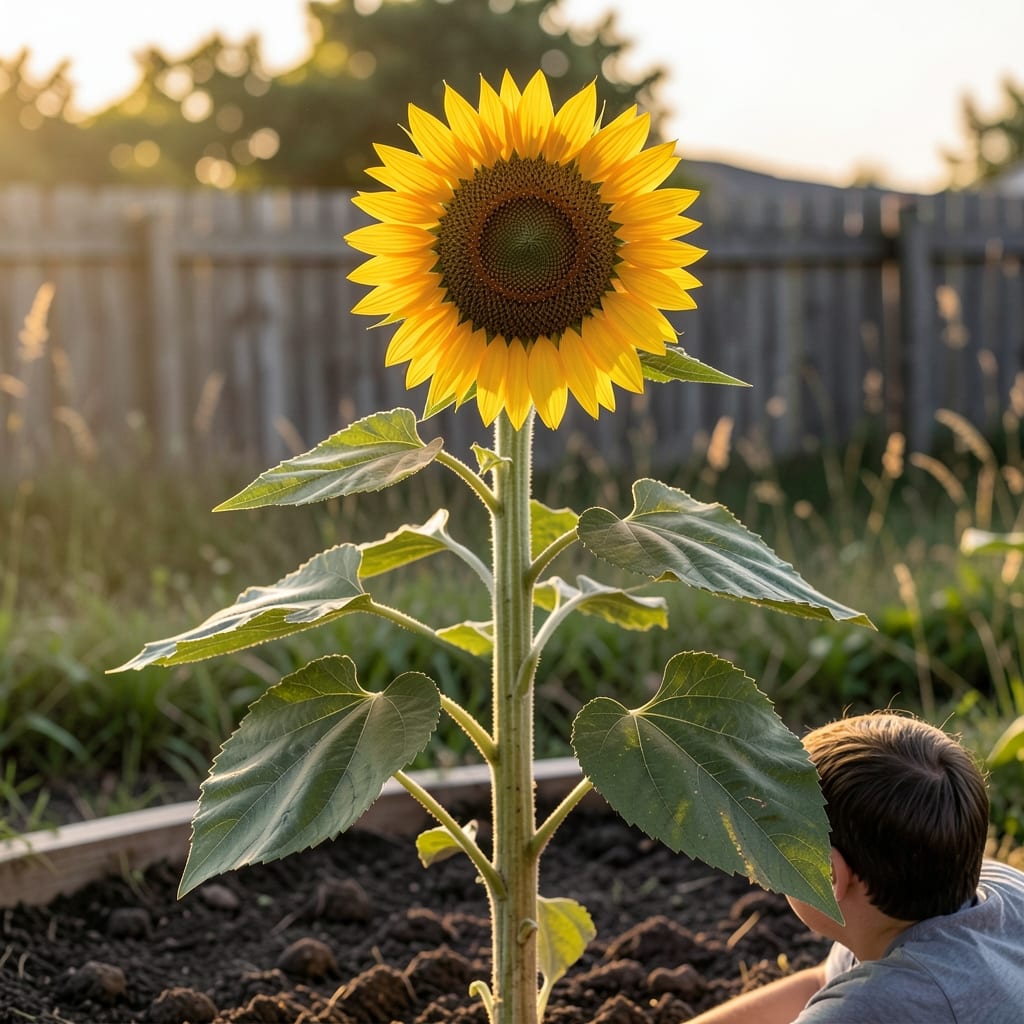
If you’ve ever wondered how tall mammoth sunflowers can grow, then these towering giants are your answer. These sunflowers aren’t just pretty faces; they’re the heavyweight champions of the garden, with heights that can leave you reaching for a ladder just to admire them.
But how tall can they really grow? Under ideal conditions—think 6a zones, rich soil, and plenty of sunlight—these sunflowers can stretch anywhere from 12 to 16 feet, with some record-breaking varieties even topping 18 feet. That’s taller than most basketball hoops and a true conversation starter in any backyard.
Of course, hitting those heights isn’t just luck. The right variety, proper spacing, and a little extra care can make all the difference. Whether you’re growing them for cut flowers, bird feed, or just the sheer thrill of watching them shoot skyward, understanding what fuels their growth is the key to success.
Let’s dive into the secrets behind their staggering size—and how you can grow your own sunflower skyscrapers this season.


Mammoth sunflower height records: how tall can they really grow?
If you’ve ever dreamed of growing sunflowers that rival skyscrapers, Mammoth sunflowers are your answer. These giants can reach staggering heights of 12 to 16 feet under ideal conditions, making them the tallest sunflower varieties available. But how do they compare to the world’s tallest recorded specimens? Let’s explore the record-breaking heights these sunflowers can achieve and what makes them grow so tall.
The tallest Mammoth sunflower ever recorded stood at a mind-boggling 18 feet and 1 inch—that’s taller than most basketball hoops! This record was set by a dedicated grower in Michigan, who used specialized techniques like deep soil preparation, consistent watering, and optimal sunlight exposure. While not every gardener will hit this height, understanding these records helps set realistic expectations for your own garden.
Most Mammoth sunflower varieties mature between 12 and 16 feet, but factors like genetics, climate, and care can push them even higher. For example, the ‘Mammoth Russian’ variety is famous for its extraordinary height potential, often exceeding 14 feet with proper care. Meanwhile, ‘American Giant’ sunflowers typically reach 10 to 14 feet, offering slightly shorter but still impressive results.
🌻
| Variety | Average Height | Record Height | Best For |
|---|---|---|---|
| Mammoth Russian | 14–16 ft | 18+ ft (recorded) | Cut flowers, competitions |
| American Giant | 10–14 ft | 15 ft (recorded) | Backyard gardens, bird feed |
| Autumn Beauty | 10–12 ft | 13 ft (recorded) | Long-lasting blooms, pollinators |
| Russian Giant | 12–15 ft | 16+ ft (recorded) | Tallest variety, competitions |
Genetics play a huge role in determining how tall your Mammoth sunflowers will grow. Some varieties are bred specifically for height, while others prioritize bloom size or disease resistance. If you’re aiming for the tallest possible sunflowers, choose a variety like ‘Mammoth Russian’ or ‘Russian Giant’, which are known for their exceptional height potential. Even with the same care, different varieties can vary by 2 to 4 feet in height!
Another key factor is stem strength. While Mammoth sunflowers are bred to be tall, their thin stems can struggle to support their own weight without proper staking or support. Without support, a 14-foot sunflower might flop over, limiting its growth potential. This is why many competitive growers use bamboo stakes, cages, or trellises to keep their sunflowers upright and encourage vertical growth.
For gardeners in warmer climates (USDA Zones 8–10), Mammoth sunflowers can grow faster and taller due to longer growing seasons. In cooler zones (Zones 4–6), growth may be slower, but with extended seasons or greenhouse growing, you can still achieve impressive heights. The secret to maximizing height lies in starting seeds early (4–6 weeks before the last frost) and providing consistent care throughout the growing season.
🌿
If you’re growing Mammoth sunflowers for cut flowers, aim for a height of at least 12 feet to ensure they’re tall enough for bouquets. For bird feed, let them grow to maturity (14–16 feet) to maximize seed production. And if you’re entering a sunflower competition, varieties like ‘Russian Giant’ are the top performers due to their record-breaking heights and sturdy stems.
So, how tall can Mammoth sunflowers grow? With the right variety, optimal conditions, and diligent care, you could easily grow sunflowers that top 14 feet—and with a little luck, you might even break a local record! The key is to start with high-quality seeds, provide ample space, and support their growth from day one.
Factors that influence Mammoth sunflower height: soil, climate, and care
When it comes to growing Mammoth sunflowers to their full height potential, soil quality is the foundation. These sunflowers thrive in well-draining, nutrient-rich soil with a pH between 6.0 and 7.5. If your soil is clay-heavy or compacted, amending it with compost or sand can help roots penetrate deeper, supporting taller growth. I always test my soil before planting—poor soil can stunt growth by 30% or more.
Sunlight is another critical factor. Mammoth sunflowers need at least 6 hours of direct sunlight daily, but 8+ hours will maximize their height. In shadier climates, growth may slow, and stems can become weaker and leggier. I’ve seen sunflowers in partial shade reach only 8–10 feet compared to 14+ feet in full sun. If your garden lacks sunlight, consider growing them near a south-facing fence or wall.
🌱
- 🌡️ Climate: Warmer zones (8–10) allow faster growth (14–16 ft), while cooler zones (4–6) may cap at 10–12 ft.
- 💧 Watering: Deep watering 2–3x weekly prevents stem weakness; drought stress can reduce height by 2+ feet.
- 🌿 Spacing: Plant 18–24 inches apart to avoid competition; crowding stunts growth by up to 30%.
- ✂️ Support: Use bamboo stakes or cages for varieties over 12 feet to prevent flopping.
- 🌱 Fertilizer: A balanced 10-10-10 fertilizer every 4–6 weeks boosts height by 1–2 feet.
Watering plays a surprisingly big role in height. Mammoth sunflowers need deep, consistent watering—especially during drought-prone months. I water mine every 2–3 days in summer, ensuring the soil stays moist but not waterlogged. Underwatering causes stem weakness, while overwatering can lead to root rot, both of which limit height. A drip irrigation system works best to deliver water directly to the roots.
Proper spacing is often overlooked but crucial. Planting Mammoth sunflowers too close together (less than 18 inches apart) forces them to compete for nutrients and sunlight, resulting in shorter, weaker stems. I space mine 2 feet apart to give them room to reach their full potential. If you’re growing them in containers, choose large pots (at least 12 inches wide) to accommodate their deep root systems.
🌿
Finally, climate and growing season length determine how tall your Mammoth sunflowers will grow. In warmer climates (USDA Zones 8–10), sunflowers have longer growing seasons, allowing them to reach 14–16 feet. In cooler zones (Zones 4–6), growth may slow, but with early planting (4–6 weeks before last frost) and season extenders, you can still hit 10–12 feet. I’ve grown Mammoth sunflowers in Zone 5 by starting seeds indoors and transplanting after frost—patience and timing make all the difference!
With the right soil, sunlight, water, and spacing, your Mammoth sunflowers can shatter height expectations. The key is to start strong and maintain consistency—your sunflowers will reward you with sky-high blooms that turn heads all season long.