
Trees
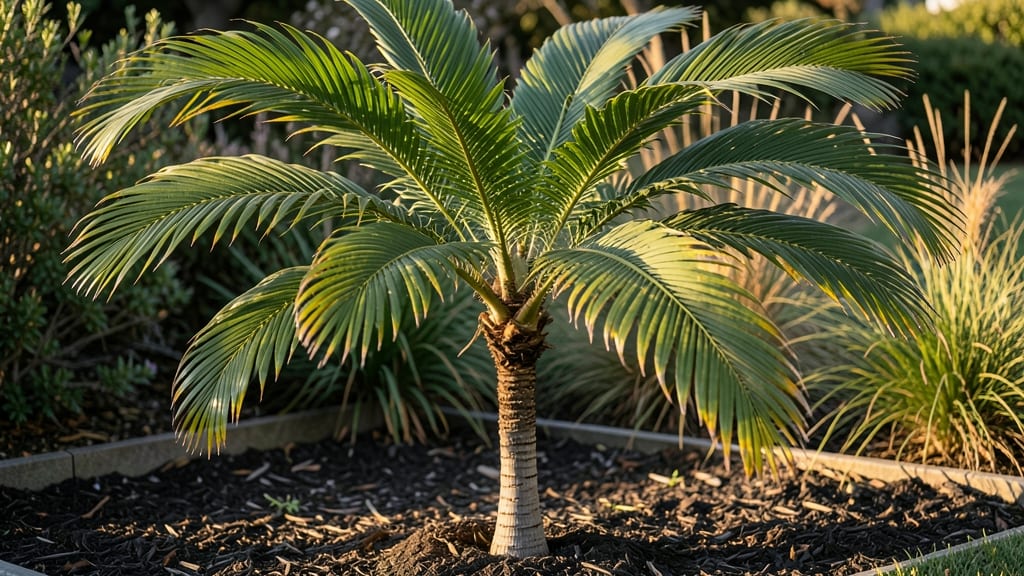
If you’ve ever wondered how tall do dwarf coconut trees grow, here’s the good news: these compact varieties stay remarkably manageable—typically reaching just 10 to 20 feet at maturity. That’s a fraction of their towering cousins, which can soar to 60+ feet!
What makes dwarf coconut trees so special? They’re perfect for small yards, containers, or even patios in USDA Zones 10-11, delivering exotic beauty without the overwhelming height. Whether you’re planting in spring or summer, understanding their growth habits is key to keeping them lush and contained.
In this guide, I’ll break down exactly how tall these trees grow, what factors influence their size, and simple tips to maintain their compact form. You’ll also discover how to choose the right variety for your space—whether you’re dreaming of a 5-foot patio centerpiece or a 15-foot backyard statement.
Ready to bring a taste of the tropics to your home without sacrificing space? Let’s dive into the details so you can enjoy your dwarf coconut tree’s full potential—without the towering surprises.


Dwarf coconut tree height guide: compact varieties explained
If you love the tropical look of coconut palms but lack the yard space for their towering cousins, dwarf coconut trees are your ideal solution. These compact varieties grow just 10–20 feet tall at maturity—about 1/3 the height of standard coconut palms.
Whether you're growing them in containers or small gardens, understanding their growth patterns helps you plan for their space needs and long-term care.
The most popular dwarf coconut varieties include the Malayan Dwarf, Macapuno, and Maypan, each offering unique growth habits and tropical charm. While they stay small, they still produce edible coconuts and stunning fronds, making them a versatile choice for home landscapes.
Let’s break down what to expect from these varieties and how to maximize their potential in your space.
| Variety | Mature Height | Growth Rate | Space Needs |
|---|---|---|---|
| Malayan Dwarf | 10–15 ft | Slow to moderate | Containers or small gardens |
| Macapuno | 12–18 ft | Moderate | Medium-sized pots or in-ground |
| Maypan | 15–20 ft | Moderate to fast | In-ground or large containers |
Note: Heights vary based on climate, care, and container size.
One of the biggest advantages of dwarf coconut trees is their adaptability to containers. A 5-gallon pot works for young trees, while mature specimens thrive in 15–30 gallon containers. This flexibility makes them perfect for patios, balconies, or even large indoor spaces with ample sunlight.
Just ensure your container has drainage holes to prevent root rot, a common issue with tropical plants.
Growth rates vary by variety and conditions, but most dwarf coconut trees reach 5–8 feet in their first 2–3 years. By year 5, they’ll typically hit their mature height range, though some may continue growing slowly.
In ideal conditions—full sun, warm temperatures (70–90°F), and consistent moisture—they can produce coconuts as early as 5–7 years old, though full productivity takes longer.
If you’re comparing dwarf coconut trees to standard varieties, the difference is dramatic. Standard coconut palms soar 60–100 feet tall, requiring massive yards or coastal landscapes.
Dwarf varieties, on the other hand, fit neatly into small urban gardens or even large pots, making them a practical choice for city dwellers or those with limited outdoor space.
Climate plays a crucial role in their growth. While these trees thrive in USDA Zones 10–11, they can also grow in Zones 9–10 with winter protection, such as moving pots indoors or wrapping the trunk in burlap.
In colder climates, they’ll need year-round container culture or a greenhouse to survive. Even a brief frost can damage or kill these tropical beauties, so plan accordingly.
To keep your dwarf coconut tree at its ideal size, regular pruning is key. Remove dead or yellowing fronds to encourage new growth and maintain a tidy appearance. You can also trim back overgrown fronds by up to 1/3 of their length without harming the tree.
Just avoid heavy pruning in winter, as the tree needs all its energy to survive cooler temperatures.
For those wondering about fruit production, dwarf varieties are capable of bearing coconuts, though yields are smaller than standard palms. A healthy 10-foot Malayan Dwarf might produce 10–20 coconuts per year, while larger varieties like the Maypan could yield 20–30 coconuts annually.
Patience is key—it can take 5–10 years for a dwarf coconut tree to reach full fruiting potential.
In summary, dwarf coconut trees are a fantastic way to enjoy tropical aesthetics without sacrificing space. With mature heights of 10–20 feet, they’re perfect for containers, small gardens, or even as striking focal points in larger landscapes.
By choosing the right variety, providing proper care, and protecting them from cold, you’ll have a stunning, low-maintenance palm that delivers both beauty and bounty for years to come. 🌴
How to choose the right dwarf coconut tree for your space
Selecting the perfect dwarf coconut tree depends on your space constraints and climate conditions. Unlike their towering relatives that reach 60-100 feet, these compact varieties top out at 10-20 feet, making them ideal for small yards, patios, or large containers.
The key is matching the variety to your environment—whether you're in USDA Zone 10-11 or a container on a balcony.
For urban gardeners, container-growing is often the best option. A 15-gallon pot works well for young trees, while mature specimens may need 20-30 gallons to prevent root binding.
Ensure pots have drainage holes and use a lightweight, well-draining mix like cactus soil blended with perlite. In-ground planting requires 6-8 feet of clearance for airflow and root spread.
🌿 Container vs. In-Ground
| Factor | Container | In-Ground |
|---|---|---|
| Space Needs | 5-10 sq ft | 6-8 ft radius |
| Mobility | Easy to relocate | Permanent placement |
| Watering | Frequent (dries faster) | Deep but less often |
| Climate Suitability | Zones 10-11 (protected) | Zones 10-11 (ideal) |
Sunlight is non-negotiable for dwarf coconut trees. They thrive in full sun (6+ hours daily), but even partial shade (4+ hours) can work in hotter climates like Southern California or Florida.
If growing in containers, place them near south-facing windows or use grow lights for 12 hours/day during shorter winter months. Without enough light, growth slows dramatically, and fruit production may never occur.
Consider your long-term goals when selecting a variety. The 'Malayan Dwarf' stays under 15 feet and produces edible coconuts, while the 'Macapuno' variety focuses on sweet, gelatinous coconut meat but grows slightly taller (18-20 feet).
For pure ornamental value, the 'Maypan' variety offers striking fronds with minimal height (12-15 feet). Always check with local nurseries for region-specific recommendations—some varieties perform better in humid coastal areas versus drier inland climates.
Don’t overlook wind protection, especially in exposed areas. Dwarf varieties have thin trunks and can be toppled by strong winds. Use bamboo stakes or trellises for young trees, or plant near natural windbreaks like hedges or fences.
In cooler microclimates (e.g., Zone 9b), consider overwintering containers by moving them to a garage or greenhouse during frost risks.
With the right variety and care, your dwarf coconut tree will become a tropical centerpiece without sacrificing yard space. Start small with a container-grown specimen, and upgrade to in-ground planting as your tree matures—just remember, patience is key!
These trees take 5-10 years to bear fruit, but the wait is worth it for that first homegrown coconut. 🥥