
Vegetables
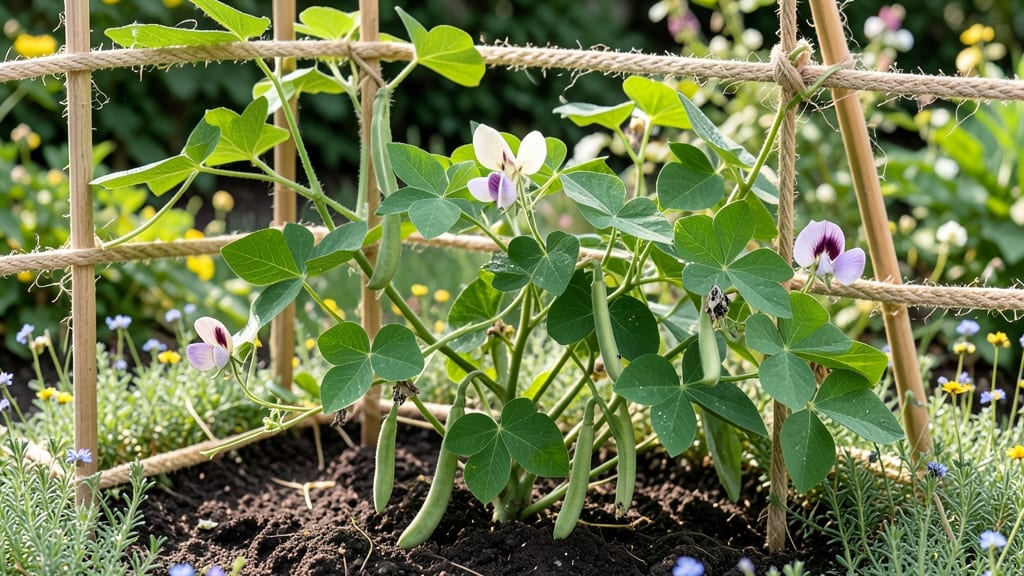
If you're planning your garden layout this spring, knowing how tall cowpeas grow could be the difference between a neat, organized space and a jungle of vines.
These versatile legumes come in two main types—bush varieties that stay compact at just 1-3 feet and climbing varieties that can reach towering heights of 6-15 feet—so your choice depends entirely on your garden's size and style.
Climbing cowpeas, like the popular Black-Eyed Pea, need sturdy trellises or fences to support their vertical growth, while bush types thrive in smaller spaces without extra support. The key to managing their height lies in selecting the right variety for your available room and understanding their growth habits early on.
Whether you're working with USDA Zone 6a conditions or just starting after last frost, proper spacing and pruning can help control even the tallest varieties. I'll walk you through the best practices for each type, so you can maximize your harvest without sacrificing garden organization.
From dwarf varieties perfect for containers to vigorous climbers that can transform a fence into a living trellis, cowpeas offer flexibility for every gardener. Let's dive into how to choose and manage them for the best results in your space.


Cowpea height variations: climbing vs bush types compared
When planning your cowpea garden, knowing how tall these plants grow is essential for maximizing space and yield. Cowpeas fall into two main categories: bush varieties and climbing (vining) types. Each has distinct height ranges and growth habits that directly impact your garden layout and maintenance needs.
Bush cowpeas are the compact choice, typically reaching heights between 1 to 3 feet. These varieties are perfect for small gardens, containers, or areas where vertical space is limited. Their shorter stature also makes them easier to manage and harvest without needing support structures.
On the other hand, climbing cowpeas can grow significantly taller, often reaching 6 to 15 feet when given proper support. These vining varieties require trellises, fences, or other structures to climb, making them ideal for larger gardens or vertical gardening setups.
Their height allows for higher yields in the same footprint as bush types.
Understanding these differences helps you choose the right variety for your space. For example, if you have limited square footage, bush varieties like 'Purple Hull' will thrive without taking over your garden. Meanwhile, climbing types like 'Black-Eyed Pea' can transform a small area into a productive vertical garden.
Another key factor is the growth rate of each type. Bush cowpeas mature faster, often producing pods within 50–60 days, while climbing varieties may take slightly longer—up to 70–90 days—to reach full height and yield. This timing can influence when you plant and harvest in your garden.
For small gardens, bush varieties are ideal because they don’t require additional support and can be interplanted with other crops. In contrast, climbing cowpeas excel in larger spaces or when you want to maximize vertical growing area.
A well-placed trellis can turn a climbing cowpea into a stunning and productive garden feature.
If you’re unsure which type to choose, consider your garden’s layout and your goals. For example, a 10-foot trellis can support climbing cowpeas and create a beautiful backdrop for flowers or other plants. Meanwhile, bush varieties can be tucked into corners or edges where space is tight.
Remember, the height of your cowpeas isn’t set in stone—pruning and training can influence their growth. For climbing types, regular pruning encourages bushier growth and prevents overcrowding. For bush types, light pruning can improve airflow and reduce disease risk.
Whether you opt for the compact charm of bush cowpeas or the dramatic height of climbing varieties, understanding these differences will help you create a thriving, space-efficient garden. Start by selecting the right type for your space, and watch your cowpeas flourish!
Cowpea height variations: climbing vs bush types compared
If you're planning your garden layout, knowing how tall cowpeas grow is essential—especially since there are two distinct types: climbing (vining) and bush varieties. The height difference isn't just about aesthetics; it directly impacts your harvest potential and space management.
Climbing cowpeas can reach heights of 6 to 15 feet, while bush varieties stay compact at 1 to 3 feet. Choosing the right type depends on your garden's size and your goals for yield.
Climbing cowpeas, like the popular ‘Black-Eyed Pea’, need vertical support to thrive. Without trellises or stakes, they sprawl across the ground, competing with other plants for sunlight and nutrients.
Bush varieties, such as ‘Purple Hull’, are perfect for small gardens or containers because they grow upright and don’t require additional support. Both types produce delicious pods, but their growth habits make them suited for different gardening scenarios.
| Type | Height Range | Growth Habit | Space Needs | Best For |
|---|---|---|---|---|
| Climbing | 6–15 feet | Vining, needs support | Vertical (trellis/stakes) | Large gardens, high yields |
| Bush | 1–3 feet | Compact, upright | Small footprint | Containers, small plots |
For climbing cowpeas, invest in sturdy trellises or stakes to guide their growth upward. This not only saves space but also improves airflow, reducing the risk of fungal diseases like powdery mildew. Bush varieties, on the other hand, thrive in well-drained soil without needing extra support.
Both types benefit from regular pruning to encourage bushier growth and larger yields. Whether you're a beginner or a seasoned gardener, understanding these differences will help you maximize your cowpea harvest.
Another factor to consider is the maturity rate. Climbing varieties often take longer to reach their full height but produce pods over a more extended season. Bush varieties mature faster, making them ideal for shorter growing seasons.
If you're in a cooler climate, bush cowpeas might be your best bet for a reliable harvest. For warmer regions, climbing types can provide a bountiful yield if given the right support and care.
Pro tip: If you're short on space but love the idea of climbing cowpeas, try growing them vertically along a fence or pergola. This not only saves ground space but also adds a beautiful, natural trellis to your garden.
For bush varieties, interplant them with shallow-rooted companions like lettuce or radishes to make the most of your garden bed. The key is to match the cowpea type to your garden’s layout and your personal preferences.
Remember, the height of your cowpeas isn’t set in stone—it’s influenced by factors like soil quality, sunlight, and care. With the right conditions, even bush varieties can grow slightly taller, and climbing types might sprawl a bit if not properly supported.
Pay attention to your plants’ needs, and don’t hesitate to adjust your approach as they grow. Happy gardening!