Size
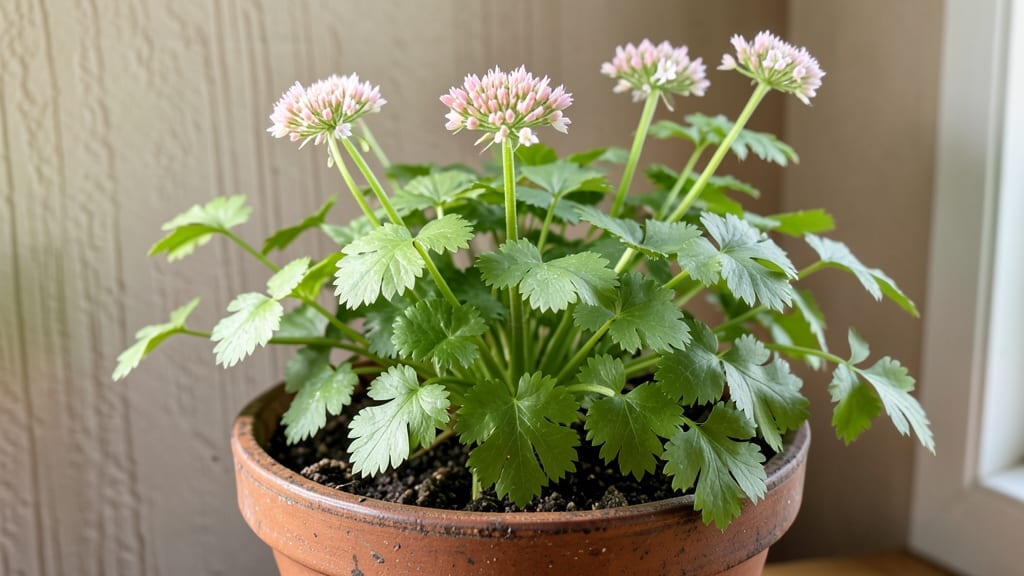
If you’ve ever wondered how tall cilantro plants grow, you’re not alone—many gardeners assume these leafy greens will sprawl uncontrollably. In reality, your 🌿 cilantro typically stays between 1 to 2 feet tall, but that can change depending on whether you’re harvesting leaves or waiting for seeds.
The key to managing cilantro’s height lies in timing and care. When grown for fresh leaves, these plants thrive at a compact 10-18 inches, but if left to flower, they can shoot up to 2 feet or more.
The good news? With the right pruning techniques, you can keep your plants bushy and productive for weeks.
Whether you’re in USDA Zone 6a or another climate, understanding these growth patterns helps you plan your garden layout. Too much sun or heat can trigger bolting, turning your leafy harvest into towering seed stalks—so knowing when to trim is the game-changer for a steady supply of flavorful greens.
Let’s break down exactly how to control cilantro’s height, from seedling to harvest, so you can enjoy fresh leaves all season long without the unwanted vertical growth. Ready to transform your herb garden?


Cilantro plant height: what to expect by growth stage
Cilantro plants typically reach 12 to 24 inches tall at maturity, but their height varies dramatically depending on the growth stage and environmental conditions. When you first plant cilantro seeds, the seedlings emerge at just 1 to 2 inches tall within 7 to 14 days.
This early stage is all about establishing a strong root system before the plant focuses on leaf production.
By the time cilantro reaches its leafy growth phase (around 3 to 4 weeks after planting), it will stand 6 to 12 inches tall with lush, vibrant foliage. This is the ideal time to begin harvesting leaves for cooking, as the plant is still compact and flavorful.
If you’re growing cilantro in containers, expect slightly shorter plants—around 8 to 10 inches tall—due to restricted root space.
Here’s where things get tricky: if your cilantro experiences stress from heat or drought, it will quickly bolt (flower), shooting up to 2 feet or taller in a matter of days. Bolting stems are woody and less flavorful, making them less desirable for leaf harvests.
The good news? Many cilantro varieties are annuals, meaning they complete their life cycle in one season, but their height can be managed with proper care.
Under ideal conditions—cool temperatures (60-70°F), partial shade, and consistent moisture—cilantro will stay bushy and productive. In contrast, hot climates or full sun can accelerate bolting, leading to taller, less leafy plants.
Even in these conditions, the maximum height rarely exceeds 3 feet, but the plant’s usability declines as it focuses on flowering.
Spacing plays a crucial role in controlling height. When planting cilantro, space seeds 6 to 12 inches apart in rows that are 12 to 18 inches apart. This spacing allows air circulation, reducing the risk of fungal diseases that can stress the plant and trigger bolting.
Overcrowding forces cilantro to compete for resources, often resulting in taller, leggier stems.
One common misconception is that cilantro’s height is solely determined by genetics. While variety does play a role (some types bolt faster than others), environmental factors like soil quality, sunlight exposure, and watering habits have an even bigger impact.
For example, well-draining, nitrogen-rich soil encourages leafy growth, while poor soil or nutrient deficiencies can stunt growth or cause the plant to bolt prematurely.
| Growth Stage | Height Range | Key Characteristics | Ideal Care |
|---|---|---|---|
| Seedling | 1–2 inches | Delicate leaves, slow growth | Keep soil moist, protect from direct sun |
| Leafy Growth | 6–12 inches | Lush foliage, ready for harvest | Prune regularly, water consistently |
| Bolting (Flowering) | 12–24+ inches | Tall stems, bitter leaves, coriander seeds | Harvest seeds if desired, remove spent plants |
| Container-Grown | 8–10 inches | Compact, slower growth | Use large pots, fertilize lightly |
🌱 Pro Tip: Harvest leaves before bolting to keep plants short and flavorful!
If you’re growing cilantro for its leaves, aim to keep the plant between 6 and 12 inches tall by harvesting outer leaves regularly. This practice encourages the plant to produce more foliage instead of focusing on height.
On the other hand, if you’re growing cilantro for its seeds (coriander), you’ll want to allow it to bolt and reach its full height of 18 to 24 inches.
One of the biggest challenges with cilantro height is bolting, which is triggered by stress. To delay bolting and maintain a manageable height, plant cilantro in cool weather (spring or fall), avoid overwatering, and provide partial shade during hot afternoons.
In regions with hot summers, consider growing cilantro in shade cloth or succession plant every 2 to 3 weeks for a continuous harvest.
For gardeners in USDA Zones 6a and above, cilantro thrives in spring and fall when temperatures are mild. In warmer zones, focus on late summer to early fall plantings to avoid the heat.
By understanding how cilantro’s height changes with each stage, you can tailor your care routine to keep it productive and within your desired size range.
Remember, cilantro’s height isn’t just about aesthetics—it’s directly tied to its flavor and usability. A well-managed, 6-to-12-inch-tall cilantro plant will give you the freshest, most flavorful leaves for your dishes. Let those stems grow too tall, and you’ll end up with bitter leaves or a seed crop instead.
With the right approach, you can enjoy a bushy, leafy cilantro harvest all season long.
Cilantro plant height: what to expect by growth stage
Cilantro plants typically grow between 12 to 24 inches tall, but their height varies dramatically depending on the growth stage. As a leafy herb, you’ll want to harvest cilantro before it reaches its full height—otherwise, you’ll end up with woody stems and bitter leaves as it bolts.
Understanding these stages helps you plan your garden layout and spacing for optimal growth.
The journey from seedling to maturity takes about 45 to 60 days under ideal conditions. Early growth focuses on leaf production, while later stages prioritize flowering and seed development.
If you’re growing cilantro in containers, expect slightly shorter plants due to root restriction, while in-ground plants may reach their maximum height more quickly.
Here’s how cilantro’s height progresses through its lifecycle, along with key care tips for each stage:
| Stage | Height Range | Key Features | Care Tips |
|---|---|---|---|
| Seedling | 1–3 inches | Delicate leaves, slow growth | Keep soil moist, thin seedlings to 6 inches apart |
| Vegetative (Leafy) | 6–12 inches | Lush, flavorful leaves | Harvest outer leaves, avoid overwatering |
| Bolting (Flowering) | 12–24 inches | Tall stems, white/pink flowers | Remove flower stalks to redirect energy to leaves |
| Seed Production | Up to 36 inches | Dried seed pods | Save seeds for next season or compost |
Environmental factors like temperature and sunlight play a huge role in cilantro’s height. Hot weather or long daylight hours can trigger bolting, causing plants to shoot up quickly.
To keep cilantro compact, provide partial shade during peak afternoon sun and avoid planting in USDA zones 9 and above, where heat accelerates growth.
If you’re growing cilantro in containers or raised beds, choose smaller varieties like ‘Calypso’ or ‘Santo’ to limit height. These stay under 12 inches tall and are perfect for patio gardens. For in-ground planting, space seeds 6–12 inches apart to allow airflow and prevent overcrowding, which can stunt growth.
Pro tip: Harvest cilantro leaves regularly to encourage bushier growth. Pinching back the top sets encourages the plant to branch out, keeping it shorter and more productive.
This method works best when leaves reach 3–6 inches in height, ensuring you get a steady supply of fresh herbs without waiting for the plant to bolt.
Remember, cilantro is an annual herb, so its height is tied to its lifecycle. By managing growth stages and environmental conditions, you can enjoy flavorful leaves for months before the plant transitions to flowering. With the right care, you’ll avoid the frustration of towering stems and bitter leaves!