
Size
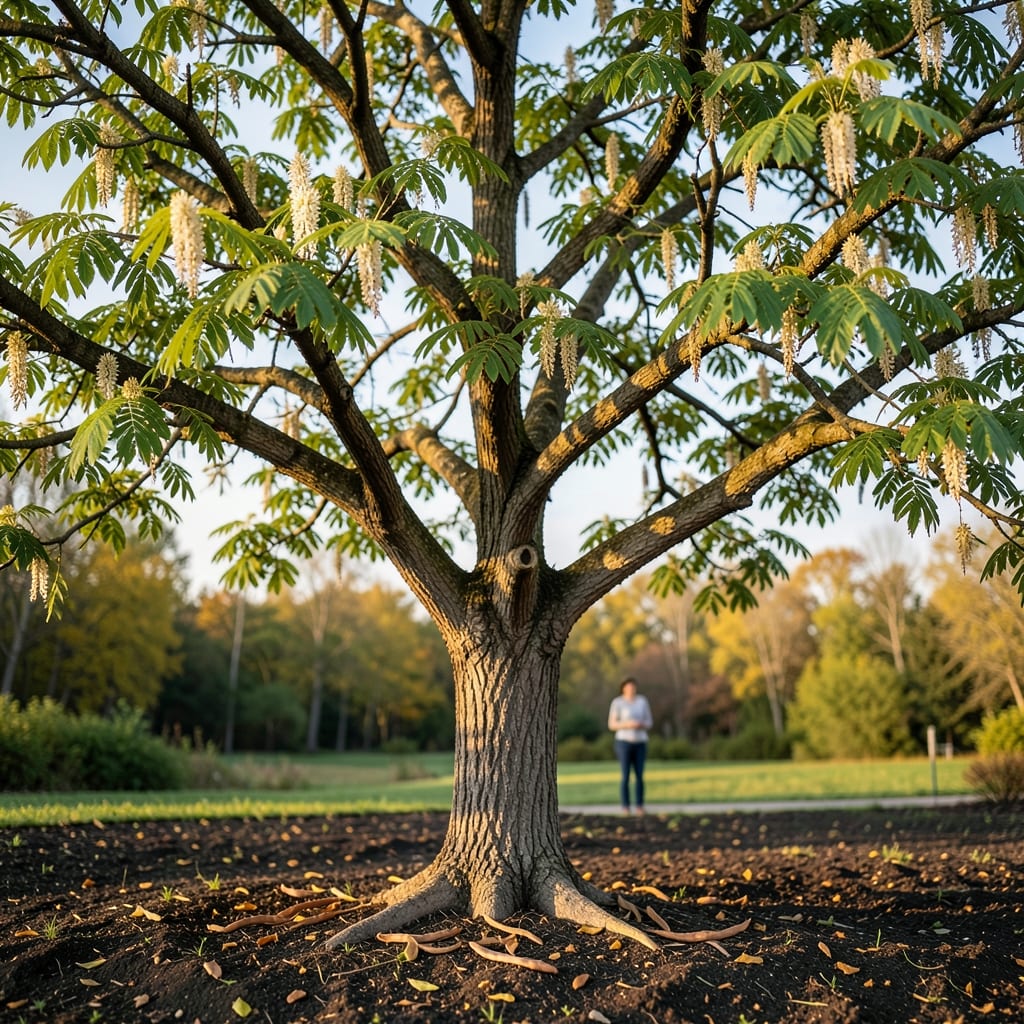
If you're wondering how tall do black locust trees grow, get ready for a fast-growing powerhouse that can reach 60 feet or more in ideal conditions. This isn't just another shade tree—it's one of the fastest-growing hardwoods in North America, shooting up 3 feet per year when given the right conditions.
Picture this: a 🌳 Black Locust Tree in your yard, providing instant privacy and wildlife benefits while outpacing most other trees. But here's the catch—this rapid growth means proper planning is key. Without enough space, you'll end up with tangled roots and branches that could turn your dream tree into a headache.
In this guide, I'll break down exactly what to expect from your black locust's height journey, from its first year as a sapling to its mature years as a towering giant. You'll learn how sunlight, soil, and even your USDA zone can influence its final height—and how to manage its growth if you need to keep it more compact.
Whether you're planting one for shade, wildlife habitat, or just fast results, understanding these growth patterns will help you make the best decisions. Let's dive into the numbers so you can plan your space wisely.


Black locust tree height: growth rates and mature size explained
When you plant a black locust tree (Robinia pseudoacacia), you're investing in one of nature's fastest-growing hardwoods. Under ideal conditions, these trees can reach 60 to 75 feet tall, with some exceptional specimens even surpassing 100 feet in height. That's taller than most two-story homes!
The journey to that impressive height starts slowly. In their first year, black locusts typically grow just 2 to 4 feet tall. But once established, they can shoot up 3 to 5 feet per year during their most vigorous growth phase, which usually lasts for about 15-20 years.
By year three, your black locust will likely stand 12 to 18 feet tall, already providing significant shade. This rapid vertical growth is one reason why these trees are so popular for quick privacy solutions and wildlife habitats.
Here's a quick look at their height progression over time:
| Growth Stage | Height Range | Annual Growth Rate |
|---|---|---|
| Year 1 | 2-4 ft | Slow establishment |
| Years 2-5 | 6-25 ft | 3-5 ft/year |
| Years 6-10 | 25-40 ft | 2-3 ft/year |
| Mature (15+ years) | 50-75 ft+ | 1-2 ft/year (slower) |
The mature height of your black locust depends heavily on growing conditions. Trees in the Southern U.S. (Zones 7-9) often reach their maximum potential height faster due to longer growing seasons and warmer climates. In Northern zones (5-6), growth may be slightly slower, with mature heights typically on the lower end of the range.
Sunlight is another critical factor. Black locusts thrive in full sun conditions (6+ hours daily), which maximizes their growth potential. In partial shade, they'll still grow but at a reduced rate, often reaching only 40 to 50 feet tall at maturity.
Soil quality also plays a role. While black locusts are remarkably adaptable and can grow in poor, rocky, or sandy soils, they'll achieve their fastest growth rates in well-draining, slightly acidic to neutral soil (pH 6.0-7.0). In nutrient-rich soils, you might see even more vigorous growth during their prime years.
One interesting note about black locust height is their canopy spread, which typically matches their height. This means a 60-foot-tall black locust will have a 60-foot-wide canopy at maturity. This wide spread is why proper spacing is crucial—more on that in our next section.
If you're planting black locusts for windbreaks, their height and dense foliage make them excellent choices, but you'll need to account for their full mature dimensions when planning your layout. For shade purposes, they provide excellent coverage once established, though you'll need patience for the first few years.
Remember, while these trees can grow incredibly tall, they're also remarkably long-lived. With proper care, a black locust can live for 100+ years, continuing to provide beauty and ecosystem benefits long after reaching maturity. 🌳
Best black locust varieties for controlled height and fast growth
If you love the idea of black locust trees but need to control their height, you're in luck—there are specific varieties and pruning techniques that can help manage their impressive growth. While no true "dwarf" black locust exists, some cultivars grow slightly more compactly, and strategic pruning can keep them within desired limits. Let's explore your options for balancing fast growth with manageable size.
The most popular black locust variety for controlled growth is 'Frisia', known for its golden-yellow foliage that adds visual interest while maintaining similar growth habits to standard types. This variety still reaches 50-60 feet tall but can be pruned to encourage a bushier, more compact form. Another excellent choice is 'Unifolia', which naturally grows with a single trunk rather than multiple stems, making it easier to manage in smaller spaces.
For those with limited space, consider pollarding—a pruning technique where you cut back the tree's main branches to just above a bud. This method can reduce height by 30-50% while stimulating dense foliage growth. When done annually in late winter, pollarding keeps black locusts at a more manageable 20-30 feet tall while maintaining their rapid growth rate. Just be prepared for more frequent pruning to maintain the desired height.
| Variety | Height Potential | Growth Rate | Unique Features | Best For |
|---|---|---|---|---|
| Standard Black Locust | 50-75 ft | 3-5 ft/year | Fast growth, wildlife habitat | Large properties, windbreaks |
| 'Frisia' | 50-60 ft | 3-4 ft/year | Golden foliage, compact form | Ornamental planting, smaller yards |
| 'Unifolia' | 40-50 ft | 2-3 ft/year | Single trunk, cleaner form | Urban landscapes, privacy screens |
| Pollarded Black Locust | 20-30 ft | 3-5 ft/year (with pruning) | Dense foliage, controlled height | Small yards, container growing |
If you're working with limited space, crown reduction pruning is another effective technique. This involves selectively removing branches to reduce the tree's overall size while maintaining its natural shape. For black locusts, this is best done in late winter or early spring before new growth begins. Just remember—these trees grow quickly, so you'll need to repeat pruning every 1-2 years to maintain your desired height.
For urban gardeners, consider planting black locusts in large containers. While they'll still reach their full height potential, container growing allows you to move the tree as needed and control root spread. Just ensure the container is at least 24 inches in diameter and has adequate drainage. You'll need to water more frequently and fertilize lightly during the growing season to compensate for the limited root space.
One important note about black locust varieties: while they may grow more slowly in cooler climates, their height potential remains similar. In USDA Zones 5-6, expect slightly reduced growth rates, but mature heights will still reach 40-60 feet with proper care. The key to controlling height in these zones is consistent pruning and choosing varieties like 'Unifolia' that naturally grow with a more structured form.
No matter which variety you choose, remember that black locusts are fast growers that thrive on neglect. With minimal care, they'll reach their full height potential—but with strategic pruning and variety selection, you can enjoy their benefits without sacrificing your yard space. The right approach lets you have your cake and eat it too: rapid growth with controlled size. ✂️🌳