
Trees
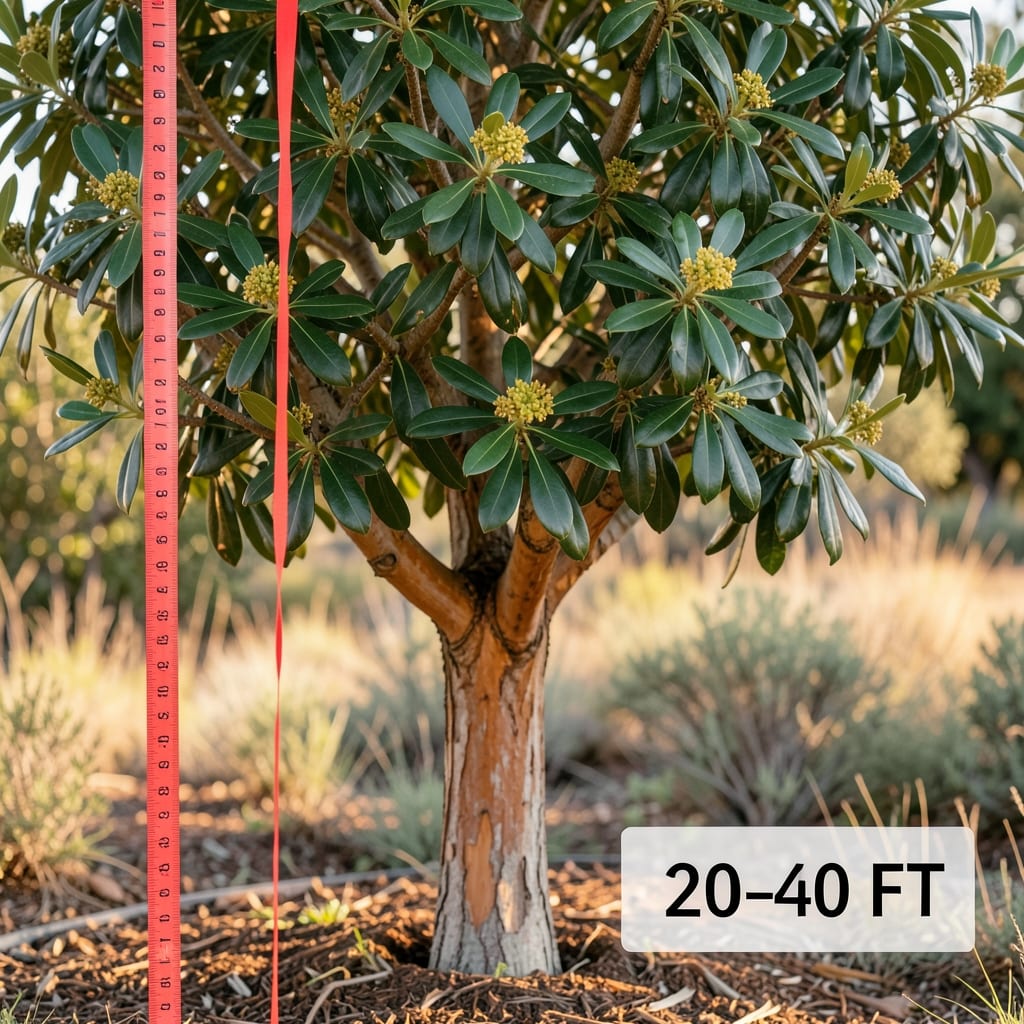
Wondering how tall do bay trees grow before they tower over your garden? You’re not alone—many gardeners assume these fragrant 🌿 beauties will only grow tall, but the truth is far more flexible than you think.
Bay trees (Laurus nobilis) can range from compact 3-foot dwarf varieties to massive 40-foot giants, depending on the type and care. The key to controlling their height lies in pruning techniques and choosing the right variety for your space—whether that’s a cozy container or a sprawling landscape.
If you’ve ever struggled with a bay tree shooting up too fast, you’ll love learning how to shape it for bushier growth without sacrificing its signature aroma. I’ll break down the best pruning tricks to keep your bay tree at your desired height—no matter if you’re growing it indoors or outdoors.
Ready to transform your bay tree from a wild, leggy mess into a perfectly sized, fragrant centerpiece? Let’s dive into the secrets of managing its height so you can enjoy its benefits year-round.

Bay tree height by variety: dwarf vs. standard vs. giant growth potential
Bay trees (Laurus nobilis) are famous for their glossy leaves and culinary uses, but their height potential varies dramatically depending on the variety. If you’re planning your garden layout, knowing these differences is key—whether you want a compact container plant or a towering landscape focal point.
The standard bay tree is the most common type, reaching 15–25 feet tall outdoors with a 10–15 foot spread. Indoors, it grows slower but can still hit 6–10 feet if unpruned. Meanwhile, dwarf varieties like 'Angustifolia' stay between 3–6 feet, making them perfect for patios or small yards.
For those with ample space, giant bay trees can soar to 40+ feet in ideal conditions, resembling small trees rather than shrubs. These giants thrive in Mediterranean climates but need consistent moisture and pruning to prevent them from becoming unmanageable.
Choosing the right variety isn’t just about height—it’s also about your climate and space. For example, dwarf varieties thrive in USDA Zones 7–10 and can even handle container life with proper drainage. Standard bay trees, however, need more room to spread their roots and branches.
If you’re growing bay trees indoors, expect slower growth due to limited sunlight. A south-facing window can help, but most indoor bay trees max out at 6–8 feet unless pruned aggressively. Outdoor plants, on the other hand, can grow 2–3 feet per year if given ideal conditions.
Pro tip: Prune young bay trees to encourage bushier growth early. This prevents them from developing a single, tall trunk and keeps them manageable. I’ve seen many gardeners regret not pruning their bay trees early—once they reach 10 feet, controlling their height becomes much harder.
For culinary use, dwarf or semi-dwarf varieties are ideal because they produce aromatic leaves without requiring a ladder. Standard bay trees also work, but harvesting leaves from the top can be tricky. Always pick leaves from non-woody stems for the best flavor.
Whether you’re after a fragrant patio plant or a statement tree, understanding these height differences will help you pick the perfect bay tree for your space. Next, I’ll share my top pruning techniques to keep your bay tree at your desired height—no matter which variety you choose.
Pruning bay trees to control height: step-by-step techniques for bushier growth
Pruning is the secret weapon for keeping your bay tree at your desired height while encouraging lush, bushy growth. Unlike many plants, bay trees respond beautifully to pruning, especially when done at the right time. The key is to prune young stems to stimulate branching—this prevents that single, leggy trunk from dominating and keeps your tree compact and full.
Timing is everything: late winter or early spring (just before new growth starts) is ideal for major pruning, while light trimming in late summer helps shape the tree without stressing it. Avoid pruning in fall, as this can encourage tender new growth that won’t survive winter frosts.
Here’s what you’ll need: sharp bypass pruners for clean cuts, gloves (bay leaves can irritate skin), and a disinfectant (like rubbing alcohol) to sterilize tools between cuts. Never use dull tools—they crush stems, inviting disease. I always keep a small spray bottle of diluted bleach water (1 part bleach to 9 parts water) handy for quick disinfection.
- 1 Assess the shape: Step back and identify overgrown branches or areas with bare stems. Focus on removing 1/3 of the oldest growth to encourage new, vibrant shoots.
- 2 Cut at the node: Always prune just above a leaf node (the bump where leaves attach). This ensures new growth sprouts from the exact spot. Avoid cutting into old wood—bay trees won’t regrow from bare stems.
- 3 Shape gradually: Never remove more than 25% of the foliage in one session. Bay trees are resilient, but aggressive pruning can shock them. For a hedge-like shape, trim the outer edges evenly, while for a tree form, focus on the top.
- 4 Encourage branching: If your bay tree has a single trunk, make a horizontal cut just above a lower branch to promote side shoots. This technique works wonders for container-grown bay trees that need to stay compact.
- 5 Clean up: Remove all pruned debris and disinfect your tools. Compost the clippings—bay leaves are edible and can be dried for cooking! Just avoid composting if you’ve treated the tree with pesticides.
For container-grown bay trees, pruning is even more critical. Since roots are confined, the plant focuses its energy on height rather than width. I recommend pruning every 4–6 weeks during the growing season to maintain a 3–4 foot height in pots. Use a smaller container (15–20 gallons) to naturally stunt growth, but ensure it has drainage holes.
One common mistake is pruning too late in the season, which can leave your bay tree vulnerable to frost damage. If you miss the spring window, wait until early summer for light shaping cuts. Just remember: less is more—bay trees recover well, but over-pruning can stress them, especially in hot climates.
With consistent pruning, your bay tree will thrive as a manageable, aromatic centerpiece—whether you’re harvesting leaves for your kitchen or simply enjoying its glossy foliage. Next, I’ll cover the 5 biggest mistakes that cause bay trees to grow too tall (and how to fix them) so you can avoid common pitfalls.