
Size
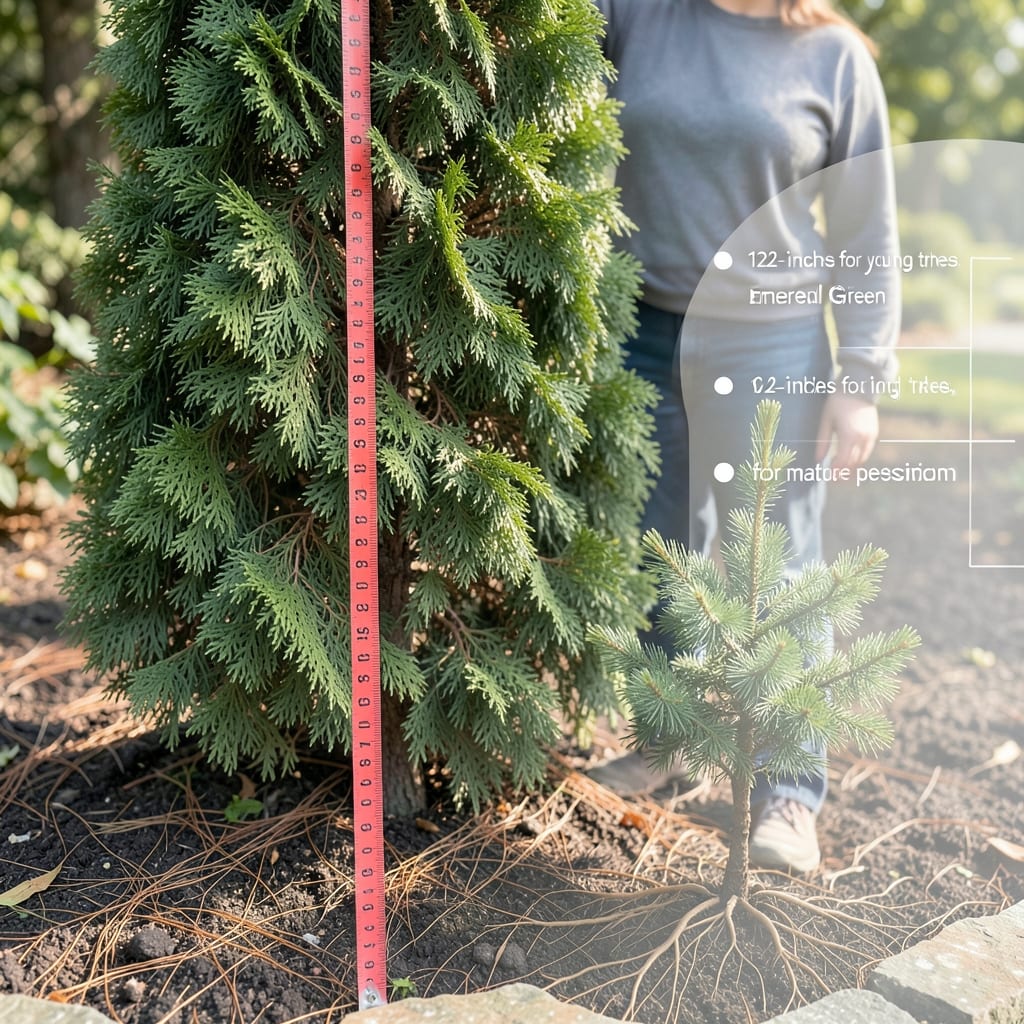
If you're wondering how tall arborvitae grow each year, the answer can make or break your landscaping plans. These evergreen trees 🌲 aren't just pretty faces—they grow at surprisingly different rates depending on the variety, and some can shoot up 12 inches or more annually.
Picture this: you plant a fast-growing arborvitae in spring, and by next year, it's already taller than your mailbox. But other varieties take their time, growing just a few inches annually. Knowing these differences helps you choose the perfect one for your space and timeline.
In this guide, I'll break down the fastest-growing arborvitae varieties and what affects their yearly growth. Whether you're planning a privacy screen or just adding greenery, these insights will help you space them right and avoid future headaches.
Ready to turn your yard into a lush, evergreen oasis? Let's dive into the numbers and tips to maximize your arborvitae's growth potential.


Arborvitae annual growth rates by variety: fastest vs slowest growers
Arborvitae growth rates vary wildly by variety, from 3 inches annually in slow growers to 12+ inches in powerhouses like Green Giant. Understanding these differences helps you plan spacing, privacy screens, or windbreaks—without ending up with a tree that outgrows its welcome.
Fast growers like Emerald Green hit 10–12 inches per year, while slower varieties like American Arborvitae grow just 6–8 inches annually. Your choice depends on whether you want a quick privacy hedge or a long-term investment in greenery.
Below, I’ve compared the top arborvitae varieties by their annual growth rates, mature heights, and ideal uses. Use this as your cheat sheet before planting!
| Variety | Annual Growth (in) | Mature Height (ft) | Growth Pattern | Best For |
|---|---|---|---|---|
| Green Giant | 12–24 | 40–50 | Fast, upright | Privacy screens |
| Emerald Green | 10–12 | 12–15 | Moderate, columnar | Foundation planting |
| American Arborvitae | 6–8 | 30–40 | Slow, pyramidal | Wildlife habitat |
| Leap Year | 18–24 | 25–30 | Very fast, rounded | Quick hedges |
| Dwarf Blue Star | 3–6 | 3–6 | Slow, compact | Container gardens |
Notice how Green Giant and Leap Year top the chart for fastest growth, making them ideal if you need a quick privacy screen. Meanwhile, Dwarf Blue Star is perfect for small spaces where slow growth is an advantage.
Pro tip: Soil quality and sunlight exposure can boost growth by 20–30%. For example, Green Giant in full sun may grow 24 inches annually, while the same variety in shade might only hit 12 inches. Always check your local climate zone for the most accurate projections.
If you’re planting multiple arborvitae for a hedge, space them 3–5 feet apart for fast growers like Green Giant to avoid overcrowding. Slow growers like American Arborvitae can handle 6–8 feet of spacing since they’ll take longer to fill in.
One common mistake? Assuming all arborvitae grow at the same rate. Leap Year can double in height in just 3–4 years, while Emerald Green takes 7–10 years to reach maturity. Plan accordingly to avoid pruning nightmares later!
For the fastest results, pair your chosen variety with well-draining soil, regular watering, and a balanced fertilizer in early spring. This combo can push growth rates to their maximum potential.
Still unsure which variety fits your space? Let’s talk growth patterns next—some arborvitae grow taller faster, while others widen more quickly. Knowing this helps you visualize the end result before you plant.
Arborvitae annual growth rates by variety: fastest vs slowest growers
Understanding how tall arborvitae grow each year starts with the variety you choose. Some arborvitae varieties can grow 12+ inches annually, while others barely reach 3-4 inches per year. This difference is crucial for planning your landscape layout and avoiding overcrowding or underwhelming results.
The Green Giant arborvitae is one of the fastest growers, shooting up 3-5 feet per year in ideal conditions. In contrast, the Emerald Green grows just 6-12 inches annually, making it perfect for smaller spaces. Knowing these rates helps you space plants correctly from the start.
Here’s how the top arborvitae varieties compare in terms of yearly growth and mature height:
| Variety | Annual Growth Rate | Mature Height | Best For |
|---|---|---|---|
| Green Giant | 3-5 ft/year | 40-50 ft | Privacy screens, windbreaks |
| Emerald Green | 6-12 in/year | 12-15 ft | Foundation planting, small yards |
| American Arborvitae | 1-2 ft/year | 30-40 ft | Wildlife habitat, natural landscapes |
| Leap Year | 2-3 ft/year | 20-30 ft | Hedges, medium-height screens |
| Dwarf Korean Arborvitae | 3-6 in/year | 3-5 ft | Borders, containers, rock gardens |
If you’re aiming for a quick privacy screen, the Green Giant or Leap Year varieties are your best bets, thanks to their rapid growth. For smaller spaces, the Emerald Green or Dwarf Korean Arborvitae keep things manageable without sacrificing beauty.
Growth rates can vary based on soil quality, sunlight exposure, and watering habits, so always check local climate conditions before planting. For example, drought-prone areas may slow growth, while well-drained, fertile soil can push a tree to its maximum potential.
Pro tip: Measure your arborvitae’s growth annually in spring to track progress and adjust care as needed. A 12-inch tape measure and a simple sketch of your yard can help you visualize long-term growth patterns.