
How To
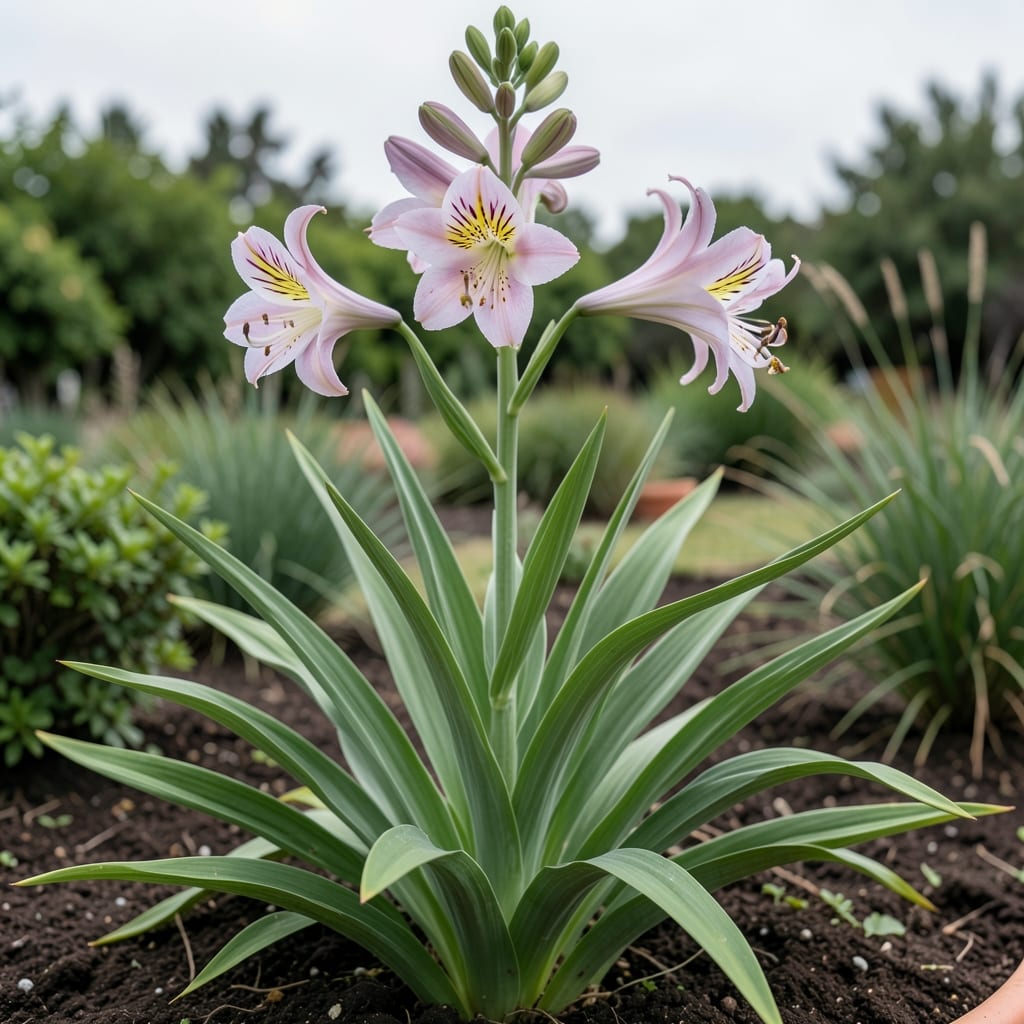
If you’ve ever wondered how tall do alstroemeria grow and how that affects your garden layout, you’re not alone. This cheerful 🌸 blooms in a surprising range of sizes—from compact 1-foot dwarfs to towering 3-foot varieties—that can completely change your planting strategy.
The key to planning your garden lies in understanding these height differences. Some varieties stay neatly contained, while others need staking or strategic placement to avoid crowding neighbors. Whether you’re designing a border or filling containers, knowing these growth habits helps you create a balanced, eye-catching display.
In this guide, I’ll break down the exact mature heights of popular alstroemeria types, seasonal growth patterns, and simple tips to manage their size. By the end, you’ll know exactly how to space them for maximum impact—without sacrificing those stunning blooms.
Ready to transform your garden with the perfect alstroemeria placement? Let’s dive into the details that make all the difference.


Alstroemeria height by variety: exact growth ranges for popular cultivars
Alstroemeria heights can vary dramatically between varieties, so choosing the right type for your space is crucial. Dwarf varieties like 'Mini Star' stay under 1.5 feet, making them perfect for containers or front borders. Meanwhile, tall varieties such as 'Regina' can reach 3 feet, ideal for back-of-border drama or cut flower arrangements.
Understanding these height ranges helps you avoid overcrowding and ensures each plant gets the sunlight and airflow it needs. For example, a 2-foot alstroemeria needs at least 18 inches of space between neighbors to prevent competition.
Here’s a quick reference for the most popular varieties and their mature heights to help you plan your garden layout:
| Variety | Mature Height | Spread | Best For |
|---|---|---|---|
| 'Mini Star' | 12-18" | 12-15" | Containers, front borders |
| 'Pink Las Vegas' | 20-24" | 15-18" | Mid-border, cut flowers |
| 'Regina' | 24-36" | 18-24" | Back borders, tall arrangements |
| 'Dorothy' | 18-24" | 12-15" | Mixed borders, mass planting |
| 'White Lady' | 20-28" | 15-18" | Cut flowers, cottage gardens |
If you’re growing alstroemeria in containers, opt for dwarf varieties like 'Mini Star' to avoid overcrowding. Taller types need 5-gallon pots at minimum to support their stems and roots.
For garden beds, space taller varieties like 'Regina' 2 feet apart to prevent them from flopping over. Smaller types can be planted 12-18 inches apart for a dense, colorful display.
Pro tip: If you love the look of tall alstroemeria but have limited space, try pruning them back by one-third after the first flush of blooms. This encourages bushier growth and shorter stems, perfect for containers or small gardens.
Now that you know the height ranges, let’s explore how seasonal conditions can influence their growth—and how to adjust your care for the best results.
How seasonal conditions affect alstroemeria height and spread
Seasonal conditions play a surprisingly large role in determining how tall alstroemeria grow. While mature heights are generally consistent for each variety, factors like sunlight exposure, soil quality, and temperature fluctuations can push plants to reach their maximum potential—or stunt their growth entirely.
For example, 'Regina' alstroemeria may only reach 24 inches in cooler climates (USDA Zone 5), but can easily top 36 inches in warmer regions (Zone 8+) with ideal conditions. Understanding these seasonal influences helps you adjust your care routine for the best results.
Here’s what you need to watch for to maximize—or control—your alstroemeria’s height:
In full sun (6+ hours daily), alstroemeria will naturally grow taller and produce more blooms. However, in partial shade, they may stay shorter but become bushier. If you’re in a hot, dry climate, mulching with 2-3 inches of organic matter helps retain moisture and supports steady growth.
Cooler spring and fall temperatures actually encourage compact, sturdy growth. If your plants seem leggy, try moving them to a slightly shadier spot during peak summer heat. This trick prevents them from stretching too tall while maintaining their vibrant blooms.
For container-grown alstroemeria, height can be controlled by choosing smaller varieties and ensuring pots have adequate drainage. Overwatering in containers often leads to root rot, which stunts growth entirely—so always let the top inch of soil dry out between waterings.
By adjusting your care based on seasonal conditions, you can fine-tune your alstroemeria’s height to fit your garden perfectly—whether you want taller stems for cutting or shorter, bushier plants for borders. Next, we’ll cover 5 pro tips to naturally encourage or limit growth without harsh methods.