
How To
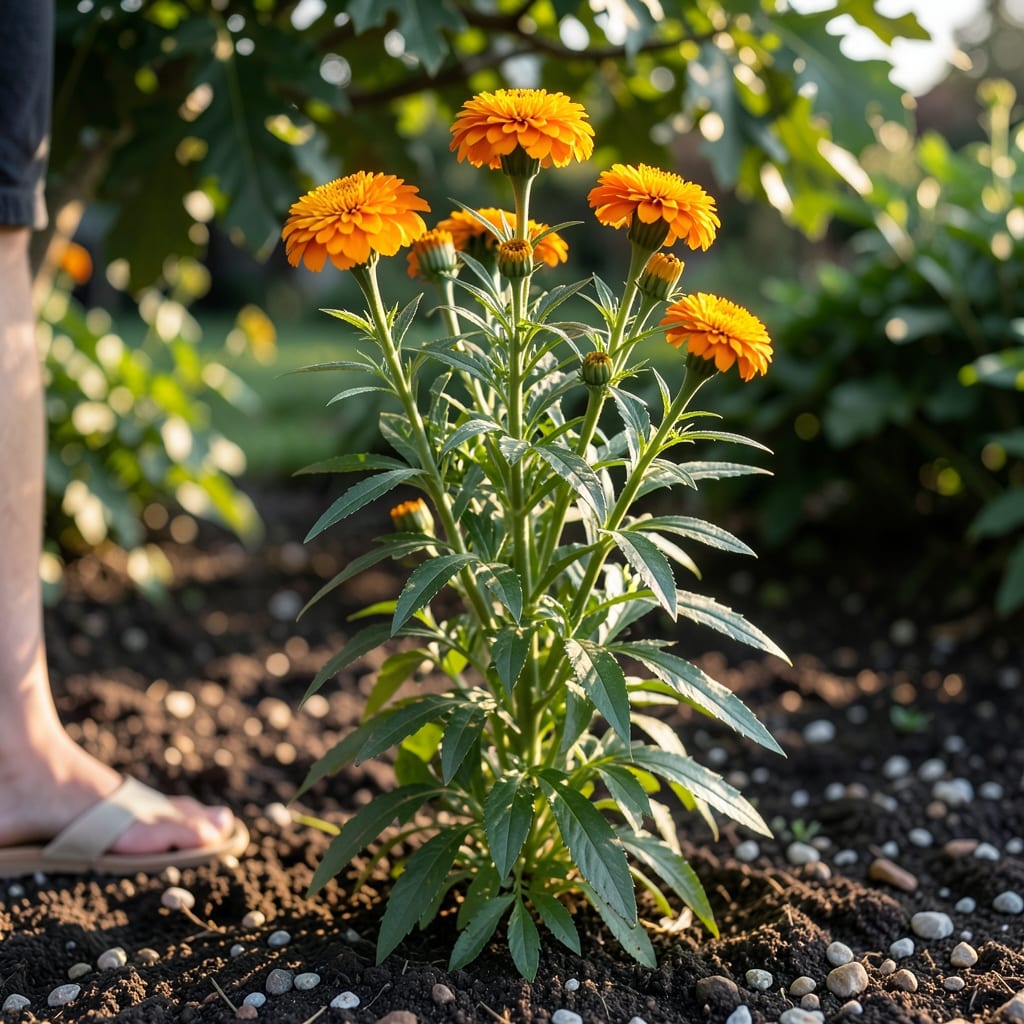
If you've ever wondered "how tall do African marigolds grow", you're not alone—this vibrant 🌼 plant can surprise you with its versatility. Whether you're dreaming of a cheerful border or planning a cut-flower garden, African marigolds offer heights ranging from compact 12-inch varieties to towering 3-foot giants.
Choosing the right size for your space is key—dwarf types fit snugly in containers, while taller varieties make stunning focal points. But here's the catch: their final height depends on more than just genetics. Factors like sunlight, soil quality, and even pruning habits can push them toward their full potential or keep them on the shorter side.
Let’s break down what to expect from these sun-loving annuals, including the best varieties for your garden goals. You’ll discover how to maximize their height without overcrowding and why some gardeners swear by them for both beauty and pest control.
Ready to transform your garden with these easy-care blooms? I’ll show you exactly how to get the perfect height for your space—no guesswork required.


African marigold height ranges: compact vs. tall varieties explained
African marigolds (Tagetes erecta) are famous for their striking 🌼 blooms and their surprising range of heights. If you're asking how tall do African marigolds grow, the answer depends on the variety you choose. Most gardeners start with three broad categories: dwarf, mid-height, and tall varieties, each offering unique benefits for your garden layout.
Dwarf varieties typically stay between 12 to 18 inches tall, making them perfect for container gardens or window boxes. These smaller plants create a neat, uniform look and are ideal for gardeners with limited space. Mid-height varieties bridge the gap at 20 to 22 inches, offering a versatile middle ground for borders or mixed flower beds.
On the taller end, standard African marigolds can reach 24 to 36 inches, providing dramatic height for cut flower arrangements or as a backdrop for shorter plants. The key to achieving these heights lies in proper spacing, sunlight exposure, and consistent care—all of which I’ll cover in detail below.
Here’s a quick comparison to help you visualize the differences:
| Variety Type | Height Range | Best For | Spacing Needs |
|---|---|---|---|
| Dwarf | 12–18 inches | Containers, window boxes, small borders | 12–15 inches apart |
| Mid-Height | 20–22 inches | Mixed borders, small gardens | 18–20 inches apart |
| Tall/Standard | 24–36 inches | Cut flowers, backdrops, tall borders | 24–36 inches apart |
The height of your African marigolds isn’t set in stone—pruning and sunlight can influence their growth. For example, if you’re growing a tall variety in partial shade, it may stay shorter than expected. Conversely, providing full sun and regular deadheading can encourage taller, bushier growth in even dwarf varieties.
Another factor to consider is the growth habit of each variety. Some African marigolds grow upright with strong stems, while others may lean or flop without proper support. If you’re planning a cut-flower garden, taller varieties with sturdy stems (like 'Janie' or 'Tango') are ideal for long-lasting bouquets.
For small gardens or urban spaces, mid-height varieties strike the perfect balance. They’re tall enough to add structure without overwhelming smaller areas. Plus, their moderate height makes them easier to maintain than their taller counterparts.
If you’re still unsure which height range to choose, consider your garden’s existing plants. Pairing African marigolds with shorter annuals (like zinnias or snapdragons) creates a layered effect, while taller varieties can anchor a perennial border or mixed flower bed. The versatility of these plants means you can experiment without committing to a single variety.
One common mistake gardeners make is overcrowding their African marigolds, which can stunt growth and lead to pale, leggy stems. Proper spacing isn’t just about aesthetics—it’s essential for air circulation and preventing disease. I’ll dive deeper into spacing and care tips in the next section, so you can help your marigolds reach their full potential.
How to maximize growth without overcrowding: spacing and care tips
Now that you know the height ranges of African marigolds, let’s talk about how to help them reach their full potential—without sacrificing health or space. One of the biggest mistakes I see is overcrowding, which leads to stunted growth and pale, leggy stems. The key is proper spacing, combined with the right sunlight, soil prep, and pruning habits.
For dwarf varieties (12–18 inches), space plants 12–15 inches apart to allow air circulation and prevent disease. This spacing also gives you room to tuck in companion plants like basil or nasturtiums, creating a textured border. If you’re growing them in containers, use at least a 10-inch pot per plant to avoid root competition.
Mid-height varieties (20–22 inches) need slightly more room—18–20 inches apart. This spacing ensures they develop strong stems and abundant blooms rather than stretching toward the sun. In my own garden, I’ve found that mulching around the base with straw or shredded leaves helps retain moisture and suppresses weeds, reducing stress on the plants.
🌱 Key Takeaways for Healthy Growth
- Spacing: Dwarf (12–15"), Mid (18–20"), Tall (24–36")
- Sunlight: 6–8+ hours of direct sun daily
- Soil: Well-draining, sandy loam with compost
- Pruning: Deadhead weekly to encourage blooms
- Watering: Morning only; avoid wet foliage
💡 Pro Tip: Pinch back young plants by 1/3 to promote bushier growth.
Taller varieties (24–36 inches) require the most space—24–36 inches apart—to prevent them from flopping over or competing for nutrients. If you’re growing them as cut flowers, stake them early with bamboo stakes or tomato cages to support their height. I’ve also had success using lightweight trellises for varieties like 'Tango', which can get top-heavy with blooms.
Sunlight is non-negotiable for African marigolds. They thrive in full sun (6–8+ hours daily), but even partial shade can reduce their height by 20–30%. In my Zone 6 garden, I’ve noticed that afternoon shade helps prevent wilting in hot climates, but morning sun is critical for vibrant blooms. If your garden lacks full sun, consider growing dwarf varieties in containers near a south-facing window.
Soil prep makes a huge difference in height and vigor. African marigolds prefer well-draining soil with a pH of 6.0–7.0. Amend heavy clay soil with compost or perlite to improve drainage, and avoid waterlogged conditions, which can cause root rot. I always mix in a slow-release fertilizer (like 5-10-10) at planting time to give them a nutrient boost without overfeeding.
Finally, pruning and deadheading are your secret weapons for encouraging height and prolonging blooms. Remove spent flowers weekly to redirect energy into new growth. For taller varieties, I also prune leggy stems back by half to encourage bushier growth. Just avoid cutting into the woody stems of mature plants, as this can stress them.