
Size
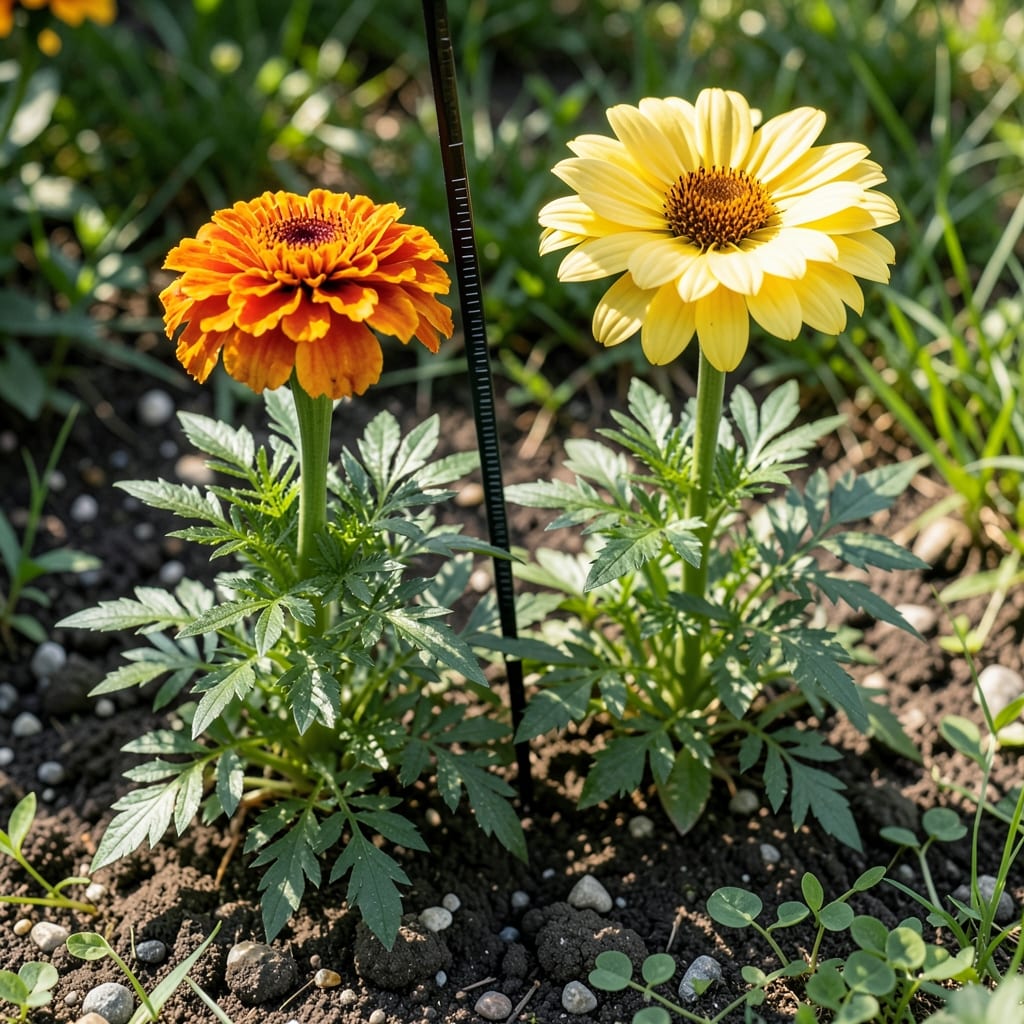
If you’ve ever wondered how tall can marigolds grow, the answer might surprise you—these cheerful 🌼 flowers can range from tiny 6-inch dwarfs to towering 3-foot giants, depending on the variety. Whether you’re planning a compact container garden or a bold border, understanding their growth potential is key to making the most of your space.
Not all marigolds are created equal. French marigolds, for example, typically stay on the shorter side, perfect for edging walkways or filling small pots. On the other hand, African marigolds can reach impressive heights, making them ideal for back-of-the-border drama or even as natural privacy screens in smaller gardens.
Sunlight, soil quality, and even your USDA zone (like 6a) play a huge role in how tall your marigolds will grow. With the right conditions, you can encourage your plants to hit their full height potential—or keep them compact with simple pruning tricks. Let’s break down the best varieties for your garden size and how to nurture them for the perfect height.
Ready to transform your garden with marigolds that fit just right? I’ll show you how to choose the perfect variety, control their growth, and keep them thriving all season long—no guesswork required.


Marigold height variations: from dwarf to towering giants
Marigolds aren’t one-size-fits-all when it comes to height. Their mature size can vary dramatically—from 6-inch dwarfs to 3-foot giants—depending on their variety and growing conditions. Understanding these differences helps you pick the perfect marigolds for your garden’s layout, whether you’re creating a container display or a backyard border.
Most marigolds fall into three main height categories: dwarf (6–12 inches), medium (12–24 inches), and tall (24–36+ inches). The variety you choose directly impacts how much space your plants will occupy and how they’ll perform in your USDA Zone 6a climate. For example, French marigolds rarely exceed 2 feet, while African marigolds can stretch toward 3 feet or more.
Here’s how to match marigold height to your garden’s needs, along with the key factors that influence growth:
Sunlight is the #1 factor influencing marigold height. These plants thrive in full sun (6+ hours daily), which encourages robust growth. In partial shade, they’ll stay shorter and may produce fewer blooms. For maximum height, plant them in a south-facing spot where they’ll bask in morning sunlight and gentle afternoon rays.
Soil quality also plays a role. Well-draining, fertile soil with a pH of 6.0–7.5 helps marigolds reach their full potential. Amend heavy clay with compost to prevent waterlogging, which can stunt growth. In container gardens, use a lightweight potting mix to avoid compacted roots that limit upward expansion.
Another height game-changer is pruning. Regularly pinching back leggy stems encourages bushier growth, while letting them grow wild can lead to taller but less stable plants. For African marigolds, staking may be necessary to support their height, especially in windy areas or when laden with blooms.
If you’re growing marigolds in containers, choose dwarf or semi-dwarf varieties to avoid overcrowding. A 5–7 gallon pot is ideal for medium-height plants, while tall varieties may need 10+ gallons to support their roots. Always ensure pots have drainage holes to prevent root rot, which can weaken stems and reduce height.
For pollinator gardens, taller marigolds like ‘Crackerjack’ African marigolds (up to 3 feet) attract bees and butterflies while providing vertical interest. Pair them with shorter varieties like ‘Bonanza’ French marigolds (12–18 inches) for a layered look that draws the eye upward.
In USDA Zone 6a, marigolds planted in late spring (after April 15) have enough warm weather to reach their mature height before the first frost in October. Start seeds indoors 4–6 weeks before transplanting to give them a head start, especially for taller varieties that need time to establish strong stems.
Pro tip: If you love the look of tall marigolds but have limited space, try ‘Tangerine Gem’ (18–24 inches) or ‘Janie’ (20–24 inches). These medium-height varieties offer a balance of drama and manageability, perfect for small gardens or urban containers.
Best marigold varieties by height for different garden spaces
Choosing the right marigold variety for your garden isn’t just about color—it’s about height. Whether you’re working with a tiny balcony container or a sprawling backyard, there’s a marigold perfect for your space. Compact varieties shine in window boxes and patio pots, while tall giants add drama to borders and privacy screens. Let’s explore the best options for every garden scenario.
For small spaces, dwarf marigolds like ‘Tiny Tim’ (6–10 inches) or ‘Gold Rush’ (8–12 inches) are ideal. These stay neatly contained in 5-gallon pots, making them perfect for container gardening or edging walkways. Their low height also means they require less staking and maintenance, saving you time and effort.
If you’re designing a pollinator garden, opt for medium-height varieties like ‘Bonanza’ (12–18 inches) or ‘Vanilla Twist’ (18–24 inches). These varieties attract bees and butterflies while adding vertical interest without overwhelming smaller spaces. Their upright growth habit also makes them great for filling gaps in flower beds.
For tall borders or privacy screens, African marigolds like ‘Crackerjack’ (24–36 inches) or ‘Heatwave’ (24–30 inches) are unbeatable. These varieties can reach nearly 3 feet tall, making them ideal for hiding unsightly fences or adding height to mixed borders. Just be sure to plant them in well-draining soil and provide support with stakes if needed.
In USDA Zone 6a, taller marigolds benefit from an early start. Sow seeds indoors 4–6 weeks before your last frost (April 15) to give them a head start. This extra time helps their roots establish before the rush of summer growth, ensuring they reach their full height potential by mid-summer.
For container gardens, mix heights to create visual layers. Pair a 12-inch ‘Bonanza’ with a 20-inch ‘Janie’ in a large pot to draw the eye upward. Use a lightweight potting mix with added perlite to prevent root-bound conditions, which can stunt growth. Water consistently—every 2–3 days in summer—to keep stems sturdy and blooms abundant.
Pro tip: If you love the bold colors of African marigolds but have limited space, try ‘Tangerine Gem’ (18–24 inches). This variety offers the striking hues of taller marigolds in a more manageable size, perfect for small gardens or urban courtyards where space is at a premium.
No matter your garden size, marigolds offer a height-for-every-space solution. From 6-inch dwarfs to 3-foot giants, there’s a variety that will thrive in your layout while adding color and life to your outdoor space. 🌼