
Size
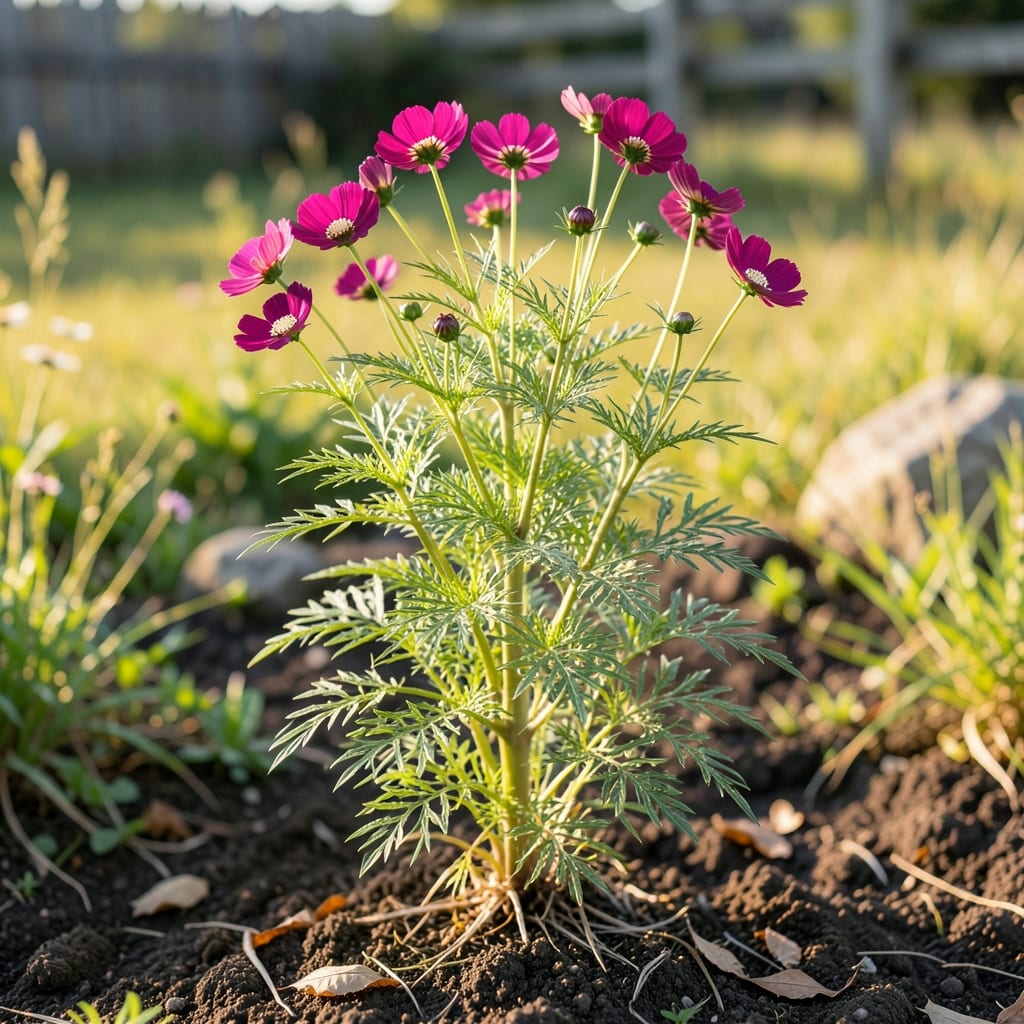
If you're wondering how tall cosmos grow, the answer might surprise you—these cheerful 🌼 bloomers can range from delicate 1-foot dwarfs to towering 6-foot giants, depending on the variety. Whether you're dreaming of a cottage-garden border or a dramatic backyard backdrop, understanding their growth potential is the key to making the most of your garden space.
Not all cosmos are created equal. Some varieties, like the classic Cosmos bipinnatus, typically reach 3-5 feet at maturity, while others, such as Cosmos sulphureus, can stretch up to 6 feet with the right conditions. The good news? With a few simple tricks—like strategic pruning and proper spacing—you can influence their height to fit your garden’s needs perfectly.
Sunlight, soil quality, and even your planting location in USDA Zone 6a can all play a role in how tall your cosmos grow. But don’t worry—whether you’re working with a small container or a sprawling backyard, I’ll show you exactly how to encourage the ideal height for your space. Ready to turn your garden into a cosmos-filled oasis?
From dwarf cosmos that add delicate accents to tall varieties that create stunning focal points, we’ll break down everything you need to know. Plus, I’ll share my top pruning tips to keep your cosmos blooming beautifully—no matter how tall (or short) you want them to be.


Cosmos height varieties: a complete plant height chart by type
Choosing the right cosmos variety isn’t just about color—it’s about height control. Some cosmos varieties stay compact and bushy, perfect for containers, while others reach towering heights that create dramatic backdrops. Let’s break down the three main height categories of cosmos and how they’ll transform your garden’s vertical space.
For example, Cosmos bipinnatus (the classic garden cosmos) typically grows 3-5 feet tall, making it ideal for mid-height borders. But if you’re after extra drama, Cosmos sulphureus varieties like 'Bright Lights' can stretch up to 6 feet—think of them as nature’s living trellis for pollinators. Even dwarf varieties like 'Purity' max out at just 1-2 feet, perfect for window boxes or front-row planting.
Here’s the key: Sunlight exposure and soil fertility can push cosmos 1-2 feet taller than their average range. In USDA Zone 6a, where I garden, I’ve seen 'Sensation Mix' cosmos grow 40% taller when planted in full sun with rich compost. But don’t worry—we’ll cover how to manage height naturally without harsh pruning.
Spacing is another game-changer. Plant dwarf cosmos 8-12 inches apart, while tall varieties need 18-24 inches to avoid crowding. Overcrowding forces plants to compete for nutrients, often resulting in leaning stems and fewer blooms. Pro tip: Use mulch around the base to retain moisture and encourage straighter growth.
🌼 Cosmos Height Comparison Chart
| Variety | Avg. Height | Growth Habit | Best For |
|---|---|---|---|
| Dwarf Cosmos ('Purity', 'Sonata Double') | 1-2 ft | Compact, bushy | Containers, borders, window boxes |
| Semi-Dwarf ('Sensation Mix', 'Bright Lights') | 2-4 ft | Medium height, sturdy stems | Mid-height borders, cut flowers |
| Tall ('Cosmos bipinnatus', 'Cosmos sulphureus') | 4-6 ft | Tall, airy, may need staking | Backdrops, tall borders, pollinator gardens |
| Giant ('Cosmos atrosanguineus') | 5-7 ft | Very tall, dark foliage | Dramatic focal points, large gardens |
⚠️ Note: Heights can vary by 20-30% based on sunlight and soil.
If you’re growing cosmos for cut flowers, tall varieties like 'Cosmos bipinnatus' are my top pick—their long, sturdy stems hold up beautifully in vases. I once harvested 12 stems per plant over a 6-week period by deadheading regularly. For container gardening, stick to dwarf or semi-dwarf varieties—they’ll spill over edges prettily without overwhelming small spaces.
One mistake I see often? Assuming all cosmos grow the same. Orange cosmos (Cosmos sulphureus) often outgrow their pink and white cousins by 1-2 feet under identical conditions. The secret? Their faster growth rate means they need more frequent pruning to control height. I’ll show you exactly how in the next section—trust me, it’s easier than you think!
For USDA Zone 6a gardeners, timing matters too. Plant seeds after your last frost (April 15) in well-draining soil. If you’re in a cooler microclimate, expect 10-15% slower growth compared to sunnier areas. But with the right variety and care, even shorter seasons can yield tall, healthy cosmos.
Ready to pick your perfect height? Whether you’re aiming for a sea of dwarfs or a jungle of giants, the variety chart above will help you visualize the impact. Next, I’ll share my go-to pruning tricks to keep your cosmos at your ideal height—without sacrificing those stunning blooms.
How to control cosmos height: pruning tricks for bushier blooms
Pruning isn’t just about keeping cosmos neatly trimmed—it’s a growth hack to encourage bushier blooms and stronger stems. Whether you’re dealing with 6-foot giants or 1-foot dwarfs, the right pruning techniques can double your flower production while controlling height naturally. The key? Timing and technique—cut at the wrong time, and you’ll stunt growth instead of encouraging it.
For tall cosmos varieties like 'Cosmos bipinnatus', I start pruning when plants reach 12-18 inches tall. Pinch off the top set of leaves just above a leaf node—this forces the plant to branch out instead of growing taller. Repeat every 4-6 weeks during the growing season, and you’ll end up with a fuller, more compact plant that blooms for weeks longer than unpruned varieties.
Here’s my pro pruning secret: Use clean, sharp scissors and always cut at a 45-degree angle just above a leaf node. Avoid cutting into woody stems—this can damage the plant and invite disease. For dwarf cosmos, a light trim after flowering encourages second flushes of blooms, extending your display until first frost in USDA Zone 6a.
If your cosmos are leaning or flopping, it’s a sign they need structural support. Instead of reaching for stakes right away, try a light pruning session to encourage stronger side branches. For extra-tall varieties, I recommend bamboo stakes or tomato cages placed gently alongside stems—never tied too tightly, as cosmos stems can grow around supports if given space.
🌱 Step-by-Step Cosmos Pruning Guide
- Step 1: Wait until plant reaches 12-18" tall
- Step 2: Pinch top set of leaves above a leaf node
- Step 3: Use clean scissors at 45-degree angle
- Step 4: Repeat every 4-6 weeks in growing season
- Step 5: Deadhead spent blooms to encourage new flowers
- Step 6: Add stakes if plant exceeds 3 feet
✂️ Pro Tip: Prune in morning hours to allow cuts to dry before evening dew.
One common mistake? Over-pruning. If you cut back too aggressively, your cosmos may bolt to flower quickly but produce fewer blooms. The goal is balanced growth: enough pruning to encourage branching, but not so much that you stunt the plant. For orange cosmos (Cosmos sulphureus), which grow faster than other varieties, I prune 20-30% more frequently to keep their height in check.
For container-grown cosmos, pruning becomes even more important. Without proper trimming, dwarf varieties can outgrow their pots in just a few weeks. I recommend weekly light pruning to maintain shape and prevent root-bound stress. Plus, the harvested blooms make amazing cut flowers—just snip stems at a 45-degree angle and place them in cool water immediately.
Ready to transform your cosmos from tall and leggy to bushy and blooming? Start with these pruning tricks, and you’ll enjoy non-stop flowers from July through October—no matter which variety you’re growing. Next, we’ll explore the best cosmos varieties for small spaces vs. dramatic backdrops, so you can pick the perfect height for your garden’s vision.