
Trees
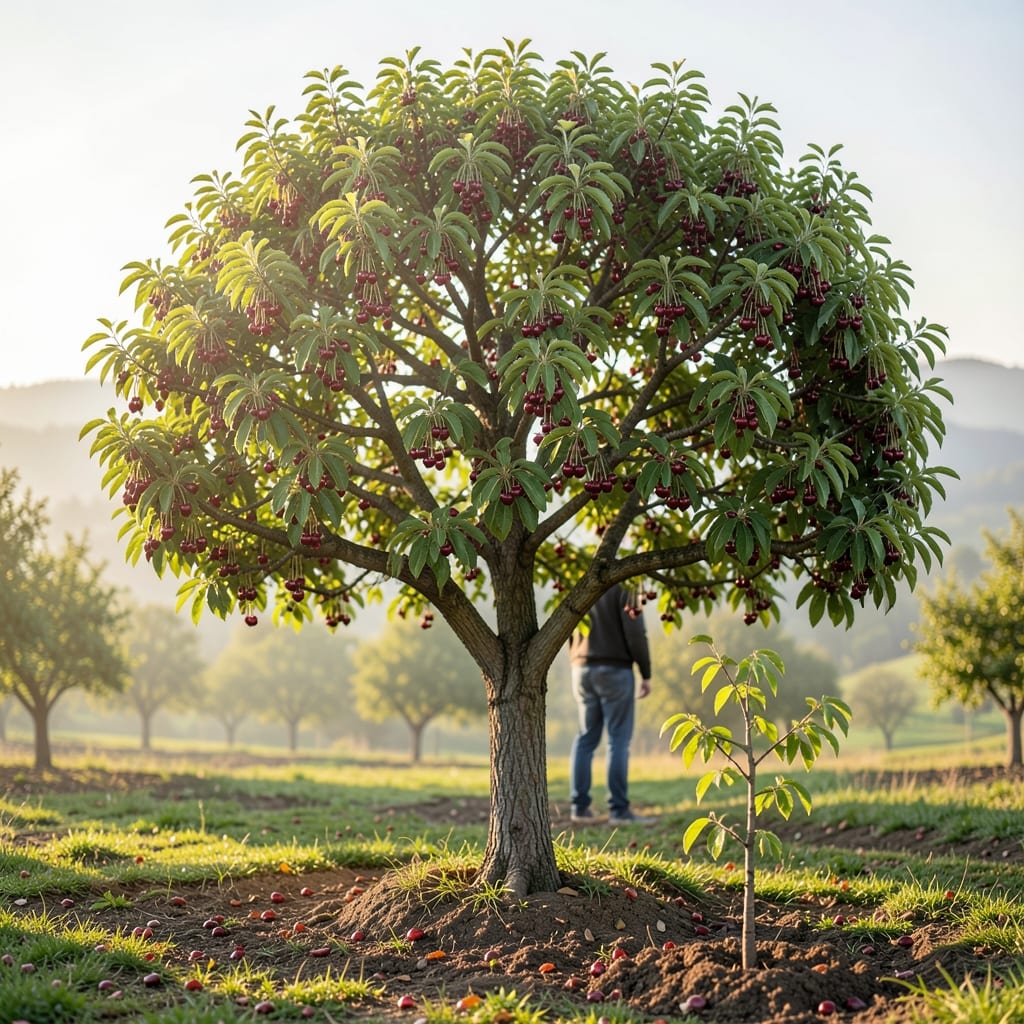
If you’ve ever wondered how tall cherry trees grow, the answer might surprise you—because some varieties reach the height of a three-story building while others stay compact enough for a small backyard. 🍒 Whether you’re dreaming of shade, fruit, or ornamental beauty, choosing the right Cherry Tree for your space is everything.
The height of your Cherry Tree depends on its type, with dwarf varieties maxing out at 8-12 feet and standard trees soaring to 40 feet or more. Even in USDA Zone 6a, where spring planting is ideal, growth rates vary wildly—some mature in a decade, while others take twice as long. Knowing these differences can save you years of frustration.
But here’s the game-changer: pruning and rootstock choices can dramatically alter a tree’s trajectory. A semi-dwarf cherry might stay manageable with the right care, while a neglected standard variety could become an unruly giant. Let’s break down the specifics so you can pick—and grow—the perfect Cherry Tree for your garden.
From ‘Stella’ cherries that stay under 12 feet to ‘Black Tartarian’ giants that demand space, we’ll cover everything you need to know. Ready to transform your yard with the perfect Cherry Tree height?


Cherry tree height by variety: from dwarf to giant species explained
Choosing a Cherry Tree that fits your space starts with understanding mature height differences. Dwarf varieties like ‘Stella’ stay under 12 feet, while standard types like ‘Black Tartarian’ can tower over 40 feet. The variety you pick isn’t just about aesthetics—it determines whether your tree becomes a backyard centerpiece or an unruly giant that overshadows your home.
Height isn’t the only factor—growth rates vary too. A semi-dwarf cherry might reach 12-18 feet in a decade, while a fast-growing standard type could add 3 feet per year in ideal conditions. Knowing these differences helps you plan for long-term space management and avoids costly mistakes like planting a giant tree too close to your house.
Here’s the breakdown you need to make the right choice:
| Variety Type | Mature Height | Growth Rate (Per Year) | Best For |
|---|---|---|---|
| Dwarf (e.g., 'Stella', 'Sunburst') | 8–12 ft | 1–2 ft | Small yards, containers, urban gardens |
| Semi-Dwarf (e.g., 'Montmorency', 'Rainier') | 12–18 ft | 2–3 ft | Medium spaces, patio edges, shade needs |
| Standard (e.g., 'Black Tartarian', 'Bing') | 20–40 ft | 3–5 ft | Large properties, orchards, shade trees |
| Ornamental (e.g., 'Krauter Vesuvius') | 15–25 ft | 2–4 ft | Landscaping, floral displays, pollinator gardens |
If you’re torn between varieties, consider rootstock influence. Dwarf cherries are grafted onto semi-dwarf or dwarfing rootstock, which restricts growth. Meanwhile, standard trees use seedling rootstock, allowing them to reach their full height potential. This means even a ‘Stella’ cherry planted on standard rootstock could grow twice as tall!
Another key factor is species type. Sweet cherries (like ‘Bing’) tend to grow taller than tart cherries (like ‘Montmorency’). Ornamental varieties often strike a balance, offering compact growth with stunning spring blossoms. For example, ‘Krauter Vesuvius’ stays under 25 feet but bursts with double pink flowers in spring.
For small gardens, dwarf varieties are your best bet. They fit neatly into landscape designs and require less pruning maintenance. However, even dwarf trees need space—plant them at least 6 feet from structures to avoid root competition and ensure airflow. Pro tip: Pair a dwarf cherry with companion plants like lavender or rosemary to create a fragrant, low-maintenance border.
If you’re aiming for fruit production, standard varieties like ‘Black Tartarian’ yield the most cherries—but they demand ample space. These giants can cast dense shade, so plant them 30+ feet from your home to avoid blocking windows or driveways. For urban settings, semi-dwarf types offer a middle ground, balancing fruit output with manageable height.
One common mistake is assuming all Cherry Trees grow at the same rate. In reality, soil quality and climate play huge roles. Trees in USDA Zone 6a with well-draining soil and full sun grow faster than those in shady or waterlogged conditions. For example, a ‘Rainier’ cherry might hit 15 feet in 5 years with ideal care, but only 10 feet in poor soil.
Ready to pick the perfect Cherry Tree for your space? Start by measuring your yard and matching it to the mature height of your top choices. Need help deciding? Dwarf varieties are perfect for small spaces, while standard types shine in rural settings. Either way, your future cherry harvest starts with the right tree!
How fast do cherry trees grow? Annual growth rates by type
Wondering how fast cherry trees grow? The answer depends entirely on the variety and growing conditions. While some dwarf cherries add just 1-2 feet per year, fast-growing standard varieties can shoot up 3-5 feet annually in ideal conditions. This means a ‘Black Tartarian’ cherry could reach 20 feet in as little as 5-7 years, while a ‘Stella’ dwarf might take 10+ years to hit 10 feet.
Growth isn’t just about time—it’s also about environmental factors. Trees planted in USDA Zone 6a with well-draining soil and full sun exposure grow significantly faster than those struggling in shady or compacted soil. For example, a ‘Rainier’ cherry in perfect conditions could reach 15 feet in 5 years, but only 10 feet in poor soil.
Here’s what you can expect year by year for different Cherry Tree types:
- Year 1: 2-4 feet (focus on root establishment)
- Year 2: 6-10 feet (rapid vertical growth begins)
- Year 3: 12-18 feet (branching expands significantly)
- Year 5: 15-25 feet (depends on variety and care)
- Year 10: 20-40 feet (mature height reached for standard types)
One critical factor is rootstock type. Dwarf cherries grafted onto dwarfing rootstock grow slower than those on seedling rootstock. For instance, a ‘Sunburst’ cherry on dwarf rootstock might only grow 1 foot per year, while the same variety on standard rootstock could add 3 feet annually. Always check the rootstock when purchasing to avoid surprises!
Another game-changer is pruning practices. Regular structural pruning in early spring encourages healthier, faster growth by removing dead or crossing branches. However, over-pruning can stunt growth, so aim to remove no more than 25% of the canopy per year. For fast-growing varieties, light pruning in late winter promotes vigorous spring growth.
Climate also plays a role—tart cherries like ‘Montmorency’ often grow faster in cooler climates, while sweet cherries thrive in warmer zones. If you’re in USDA Zone 6a, expect slightly slower growth in early spring due to cooler temperatures, with a growth surge in late spring and summer. For optimal results, plant in April-May after the last frost to give roots time to establish before the growing season peaks.
Ready to accelerate your Cherry Tree’s growth? Start with the right variety and rootstock, ensure full sun exposure, and maintain consistent watering. With these tips, you’ll be enjoying cherries in half the time—or at least a tree that fits your space perfectly!