
How To
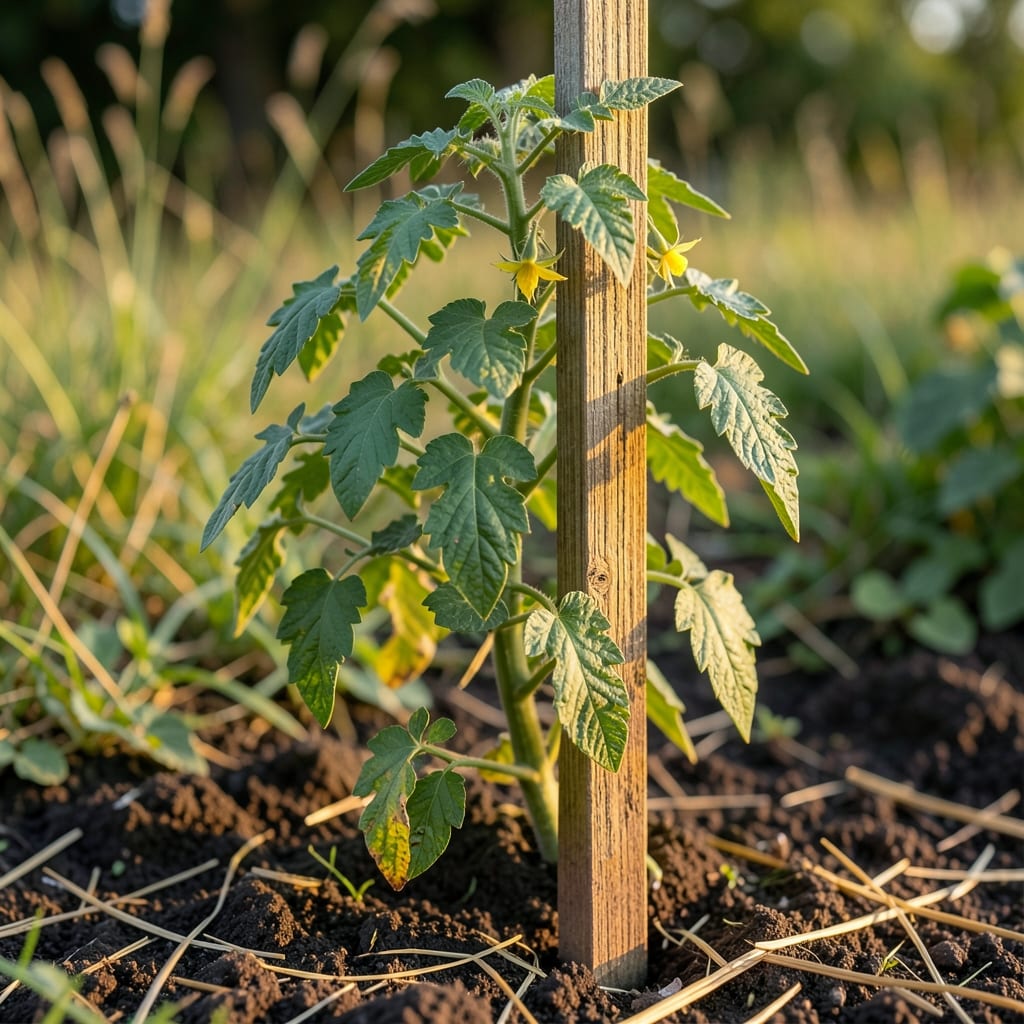
If you’ve ever wondered how tall cherry tomatoes grow, the answer might surprise you—these little powerhouses can turn your garden into a vertical jungle or stay neatly contained, all depending on the variety and your care. Picture this: one plant sprawling like a 6-foot vine while another stays compact at just 2 feet, both producing sweet, bite-sized 🍅 treasures. The difference comes down to whether you’re growing a bushy determinate type or a sprawling indeterminate vine.
For gardeners in Zone 6a, choosing the right variety is key—especially when space is limited. Determinate types like 'Tiny Tim' max out around 2-3 feet, making them perfect for containers or small plots, while indeterminate varieties like 'Sweet Million' can climb to 8 feet or more if given proper support. That’s a huge difference in how you’ll plan your garden layout!
But here’s the game-changer: pruning and training techniques can dramatically alter a plant’s height and yield. Whether you’re dealing with a bushy compact plant or a towering vine, the right approach ensures you get the most fruit without sacrificing space. I’ll show you exactly how to maximize growth—whether you’re working with a 2-foot dwarf or a 6-foot vine—so you can turn your garden into a productive, space-efficient harvest zone.
The best part? With the right care, even a small balcony garden can yield pounds of cherry tomatoes. Ready to learn the secrets to controlling height while boosting your harvest? Let’s dive into the varieties, pruning tips, and support systems that will transform your garden—no tangled messes allowed.


Cherry tomato variety heights: compact bush vs towering vines
When you’re planning your garden, knowing how tall cherry tomatoes grow is the first step to avoiding a tangled mess. Cherry tomatoes aren’t one-size-fits-all—they range from dwarf varieties that barely clear a 2-foot counter to indeterminate vines that can climb 8 feet or higher with proper support. The key difference? Determinate varieties stop growing once they hit their mature height, while indeterminate types keep stretching and producing fruit all season long.
For gardeners in Zone 6a, choosing the right variety isn’t just about space—it’s about yield and ease of care. A compact bush like 'Tumbling Tom' might only reach 1-2 feet, making it perfect for hanging baskets or small containers, while a tall vine like 'Sweet 100' can dwarf you at 6-10 feet if left unchecked. The good news? With the right pruning and support, even the tallest varieties can be managed without sacrificing harvest potential.
Let’s break down the most popular varieties by height so you can pick the perfect fit for your garden layout. Whether you’re working with a balcony garden, a raised bed, or a large backyard, understanding these growth habits will help you maximize space and productivity.
If you’re working with limited space, determinate varieties are your best bet—they stay compact and produce fruit all at once, making them ideal for container gardening or small plots. On the other hand, indeterminate vines like 'Sweet Million' or 'Super Sweet 100' will keep growing and producing until frost, but they’ll need robust support to handle their weight. Without proper training, these vines can sprawl uncontrollably, leading to broken stems and lost fruit.
One of the biggest mistakes I see is assuming all cherry tomatoes grow the same way. A 2-foot dwarf like 'Tiny Tim' won’t need staking, while a 6-foot vine like 'Sweet 100' will collapse without a trellis or cage. Even within indeterminate types, heights can vary—some stay around 4-5 feet, while others reach 10 feet with aggressive pruning. Always check the seed packet or plant tag for mature height estimates to plan accordingly.
For Zone 6a gardeners, another factor to consider is your last frost date (around April 15). Indeterminate varieties benefit from a longer growing season
Pruning cherry tomatoes for height control: when, how, and why
Pruning isn’t just about keeping your cherry tomatoes from taking over your garden—it’s a game-changer for controlling height, boosting yields, and preventing disease. Whether you’re dealing with a 2-foot bush or a 6-foot vine, the right pruning techniques can transform a wild, sprawling mess into a well-structured plant that produces more fruit with less effort. The key? Understanding when to prune, what to remove, and how to encourage upward growth without stressing the plant.
For determinate varieties like 'Tiny Tim' or 'Patio Princess,' pruning is minimal—these plants naturally stay compact, and over-pruning can reduce yield. However, even bush types benefit from removing suckers (those little shoots that grow in the leaf axils) to improve airflow and fruit quality. On the other hand, indeterminate vines like 'Sweet 100' or 'Sun Gold' thrive with regular pruning, as it redirects energy from wild growth to fruit production. Without pruning, these vines can grow 10 feet tall or more, becoming unmanageable and prone to breakage.
Timing is everything. Start pruning when your plants are about 12-18 inches tall, focusing on removing lower leaves and suckers to keep the plant’s energy focused on upward growth and fruit development. For indeterminate varieties, prune weekly or biweekly during the growing season to maintain height and shape. Use clean, sharp pruners to avoid damaging stems, and always prune in the morning when the plant is dry to reduce disease risk.
- 1 Remove suckers: Identify and pinch off suckers (the small shoots growing between the main stem and branches) when they’re 2-3 inches tall. These compete with fruit for energy.
- 2 Prune lower leaves: Trim leaves within 12 inches of the ground to improve airflow, reduce soil-borne diseases, and encourage upward growth. Focus on the bottom third of the plant.
- 3 Thin fruit clusters: If a branch has more than 2-3 tomatoes, remove the smallest ones to allow the remaining fruit to grow larger and reduce the risk of blossom end rot.
- 4 Support tall vines: Use trellises, stakes, or cages to support indeterminate varieties. Prune to encourage growth along the support structure, keeping the plant within 18 inches of the trellis.
- 5 Avoid over-pruning: Never remove more than 20-30% of the plant’s foliage at once. Over-pruning stresses the plant and can reduce yield, especially in determinate varieties.
One common mistake I see is pruning too aggressively early in the season. Young plants need their leaves to photosynthesize and establish strong roots. Wait until the plant has 4-5 sets of true leaves before starting pruning. Another pitfall is ignoring disease prevention—always sterilize your pruners with rubbing alcohol between cuts to avoid spreading bacteria or fungi. If you notice yellowing leaves or signs of early blight, prune those leaves immediately and dispose of them far from your garden.
For Zone 6a gardeners, late-season pruning can extend the harvest. In early August, reduce pruning frequency to allow the plant to harden off for fall. If frost is approaching, prune back indeterminate vines to focus energy on ripening existing fruit. With the right pruning routine, you can keep even the tallest cherry tomato vines under control while maximizing your harvest—no tangled jungle required!