
Size
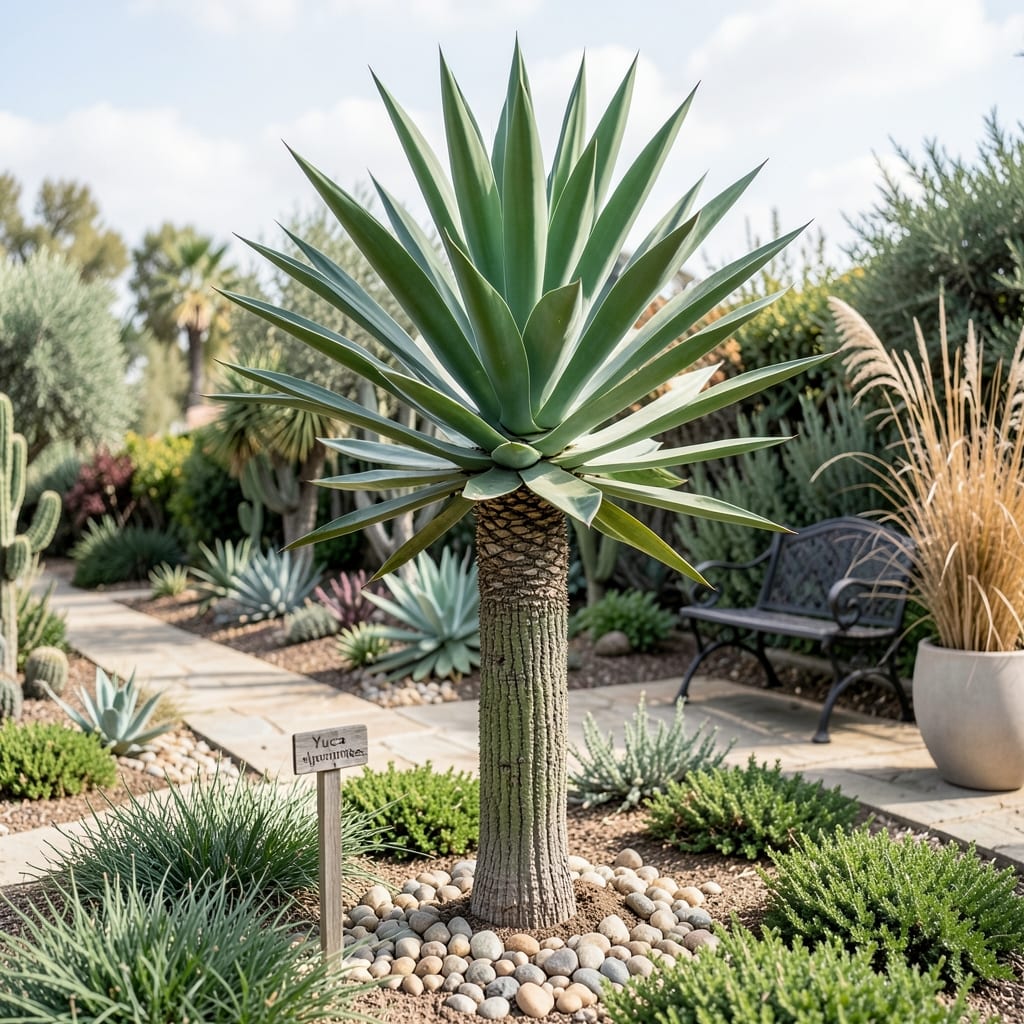
If you're wondering how tall can yucca plants grow, you're in for a surprise—these desert survivors can become your garden's most striking feature, or a compact centerpiece, depending on the variety. 🌵 With some species stretching toward the sky like natural skyscrapers, while others stay neatly contained, yuccas offer flexibility for any space.
Picture this: a 20-foot yucca standing tall in your backyard, its sword-like leaves reaching for the clouds, or a dwarf variety adding drama to a patio in just 3 feet of height. The difference comes down to species, sunlight, and care—factors you can control to get exactly the look you want.
Whether you're planning a bold landscape statement or need a low-maintenance indoor plant, understanding yucca growth habits is the key. I'll show you how to choose the right variety for your space and the simple tricks to encourage (or control) their impressive height potential.
Ready to transform your garden or home with a yucca that fits perfectly? Let's dive into the world of these versatile plants and discover how to nurture them to their full, stunning potential.

Yucca plant height by variety: from dwarf to towering giants
Yuccas are nature's architectural marvels, with some varieties reaching heights that rival small trees while others stay perfectly proportioned for containers. The Yucca elephantipes, also called spineless yucca, is the tallest of the bunch, often soaring to 15-20 feet in ideal conditions. This makes it a stunning focal point for large gardens or even urban landscapes where vertical space is abundant.
For those with limited space, the Yucca rostrata or beaked yucca offers a more manageable 6-10 feet at maturity. Its striking rosette shape and blue-green foliage make it equally dramatic without overwhelming smaller yards. Even in containers, this variety can reach 4-6 feet with proper care, proving yuccas adapt beautifully to different environments.
Now let's compare some popular varieties to help you visualize their mature sizes and growth habits:
| Variety | Mature Height | Growth Rate | Ideal Spacing | Best For |
|---|---|---|---|---|
| Yucca elephantipes | 15-20 ft | Slow to moderate | 10-15 ft apart | Large gardens, urban landscapes |
| Yucca gloriosa | 4-8 ft | Moderate | 3-5 ft apart | Borders, mixed beds, containers |
| Yucca rostrata | 6-10 ft | Slow | 5-8 ft apart | Dry gardens, rockeries |
| Yucca filamentosa | 3-6 ft | Moderate | 2-4 ft apart | Prairie gardens, native plantings |
| Yucca smalliana | 2-4 ft | Slow | 1-2 ft apart | Containers, small spaces, patios |
| Yucca baccata | 8-12 ft | Moderate | 6-8 ft apart | Desert landscapes, xeric gardens |
| Yucca whipplei | 10-15 ft | Slow | 8-10 ft apart | Arid regions, large open spaces |
One variety that often surprises gardeners is the Yucca gloriosa, which typically reaches 4-8 feet but can grow even taller in optimal conditions. Its striking, sword-like leaves and clusters of white flowers make it a favorite for traditional Southern gardens. What's fascinating is how this variety's height can be influenced by its growing conditions—more sunlight and well-draining soil often result in taller, more robust growth.
For indoor gardeners, the Yucca elephantipes is an excellent choice, as it can thrive in containers and reach 6-10 feet indoors with proper care. The key is choosing a large enough pot with drainage holes and providing bright, indirect light. This variety's slow growth rate makes it perfect for those who want a manageable indoor plant that still makes a statement.
If you're working with smaller spaces, consider the Yucca smalliana, which rarely exceeds 4 feet in height. This compact variety is perfect for containers on patios or balconies, and its striking blue-green foliage adds instant color to any space. The secret to keeping it at this manageable height is regular pruning and ensuring it gets enough sunlight to encourage bushier rather than taller growth.
Remember that yucca height isn't just about the variety—soil quality, sunlight exposure, and watering habits all play crucial roles. For example, Yucca filamentosa might only reach 3-4 feet in poor soil conditions but can easily double in height when planted in well-amended, sandy soil with excellent drainage. This adaptability makes yuccas one of the most versatile plants for different garden conditions.
When planning your yucca garden, always consider the mature height of each variety and give them adequate space to grow. Crowding can lead to stunted growth or even plant decline, as yuccas need room for their extensive root systems to develop properly. With the right variety and care, you can create a stunning vertical garden that adds drama and texture to any outdoor space.
Now that you've seen the incredible range of yucca heights, let's explore how to manage their growth—whether you want to encourage their natural height or keep them more compact for your space. The next section will cover pruning techniques and creative ways to control yucca growth without sacrificing their beauty. 🪴
How to control yucca growth height: pruning and space-saving techniques
Yuccas are naturally tall and dramatic, but their height can be managed with the right techniques—whether you want to keep them compact for containers or train them to reach their full potential in the garden. The key is understanding when and how to prune yucca without harming the plant. For most varieties, the best time to prune is late winter or early spring, just as new growth begins. This timing allows the plant to recover quickly and encourages healthy regrowth.
If you're growing a tall yucca variety like Yucca elephantipes and want to control its height, focus on pruning the top growth. Simply cut back the tallest stems to just above a healthy leaf node. The plant will respond by producing new shoots from the remaining nodes, creating a bushier, more compact shape. Just be sure to use sterilized pruning shears to prevent disease spread between cuts.
For container gardening, dwarf varieties like Yucca smalliana thrive with regular pruning to maintain their size. Pinch back the tips of new growth when they reach about 6 inches to encourage branching. This technique works wonders for keeping yuccas under 4 feet in height, perfect for patios or balconies. Remember, yuccas in containers need slightly more frequent watering than those in the ground, but always allow the soil to dry completely between waterings to prevent root rot.
Use sterilized pruning shears or a sharp knife to make clean cuts.
Trim back overgrown stems just above a leaf node for bushier growth.
For dwarf varieties, pinch tips at 6 inches to encourage branching.
Choose pots with drainage holes and repot every 2-3 years.
For unstable stems, use bamboo stakes to support growth without pruning.
If your yucca is growing too tall for its space, consider staking instead of pruning. Tall varieties like Yucca whipplei can benefit from lightweight bamboo stakes tied gently to the stems. This provides support without altering the plant's natural shape. For a more dramatic look, you can even train yuccas to grow along trellises or fences, turning them into living vertical gardens. Just ensure the trellis is sturdy enough to support their weight as they grow.
One common mistake is pruning yuccas too aggressively, which can stress the plant and reduce flowering. If you notice your yucca producing flower stalks, avoid cutting them back unless they're damaged. These stalks can reach 6-10 feet tall and add stunning vertical interest to your garden. After flowering, you can remove the spent stalks at the base to redirect the plant's energy into foliage growth.
For indoor yuccas, the key to controlling height is light exposure. Place your plant near a south-facing window where it can receive 6+ hours of sunlight daily. Insufficient light leads to leggy growth, while proper lighting encourages compact, bushy growth. If your indoor space lacks natural light, supplement with a grow light placed about 12 inches above the plant for 12-14 hours per day. This simple adjustment can make a world of difference in managing your yucca's height.
With these techniques, you can shape your yucca to fit any space—whether you want a towering garden centerpiece or a compact container plant. The beauty of yuccas is their adaptability, so don't be afraid to experiment with different pruning and training methods to achieve the perfect look for your garden. 🪴