
Shrubs
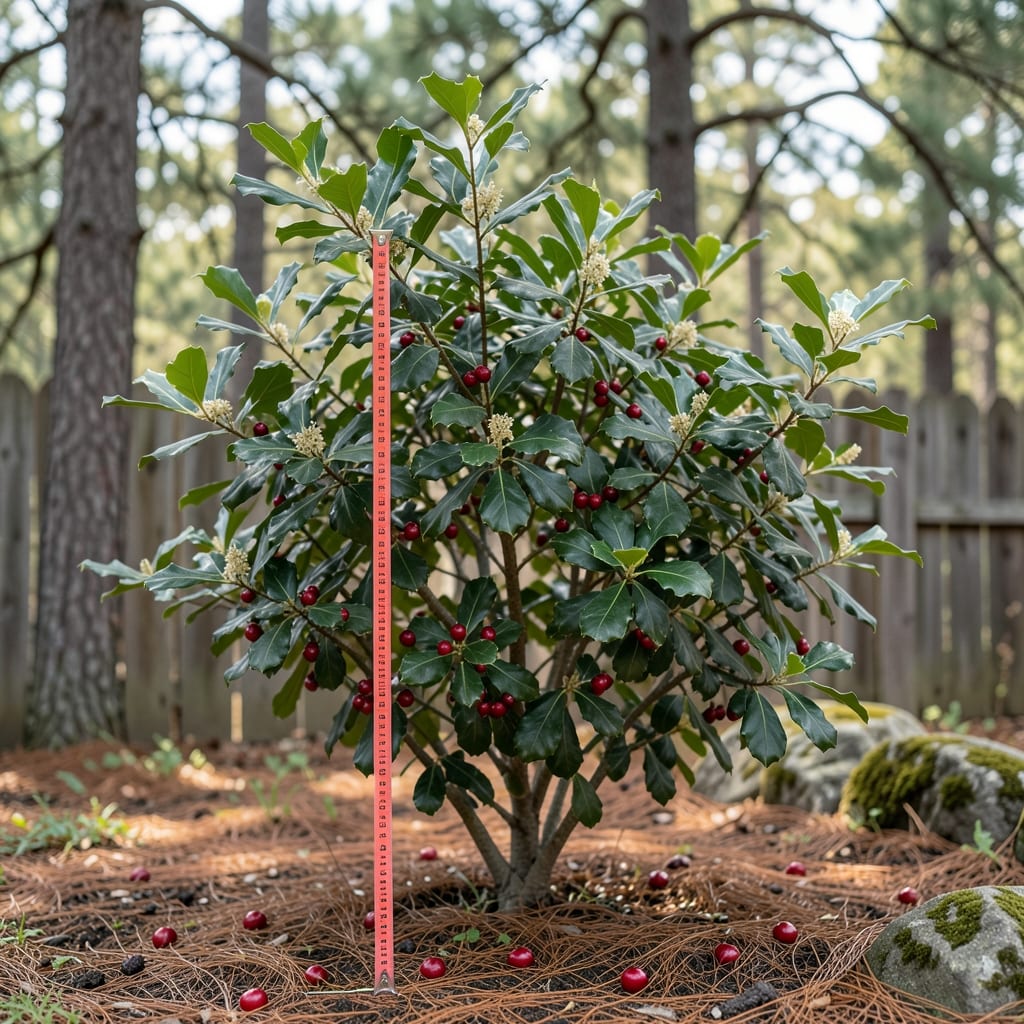
Wondering how tall can yaupon grow in your backyard? This native shrub 🌿 can surprise you—it might start as a modest hedge but could stretch into a small tree with the right conditions. Whether you're planning a privacy screen or a wildlife-friendly border, understanding its growth habits is key to managing expectations.
In ideal conditions, yaupon can reach heights of 10 to 25 feet, depending on your climate and soil type. That’s taller than a basketball hoop but still manageable with the right care. If you're in USDA Zone 6a, you’ll likely see it hit its full potential faster than in cooler regions.
But here’s the thing: yaupon is flexible. With strategic pruning, you can keep it compact—perfect for small gardens—or let it grow wild for a natural, woodland look. The choice is yours, and the results will depend on how much you’re willing to shape it.
Ready to learn how sunlight, soil, and pruning can influence its height? Let’s break down the factors so you can grow the yaupon that fits your space—and your vision.


Yaupon height by region: average growth limits across the U.s.
Yaupon (Ilex vomitoria) thrives across the southeastern U.S., but its mature height varies dramatically by region. In coastal areas like Florida or Georgia, yaupon often grows as a small tree (15-25 feet), while inland or in cooler climates like USDA Zone 6b-7a, it typically stays as a tall shrub (10-15 feet). These differences come down to sunlight exposure, soil drainage, and pruning habits.
For example, in Texas hill country, yaupon may reach 20 feet with minimal care, while in North Carolina’s piedmont, aggressive pruning can keep it under 10 feet. Understanding these regional trends helps you plan for the right space and maintenance routine. Let’s explore how yaupon’s height differs by climate zone and growing conditions.
Here’s a quick comparison of yaupon’s height potential in key regions:
| Region | Climate Zone | Avg. Mature Height | Key Influences |
|---|---|---|---|
| Southeast Coast (FL, GA, SC) | 8b-10a | 15–25 ft | Humid, sandy soil, minimal pruning |
| Gulf Coast (TX, LA, MS) | 8a-9b | 18–22 ft | High heat, poor soil drainage |
| Inland Southeast (AL, TN, NC) | 6b-8a | 10–15 ft | Cooler nights, well-drained soil |
| Texas Hill Country | 7b-8b | 20–25 ft | Limestone soil, full sun |
| Northern Limits (OK, AR, MO) | 6a-7a | 8–12 ft | Shorter growing season, pruning required |
The coastal regions of Florida and Georgia push yaupon toward its maximum height potential because of the warm climate and sandy, well-draining soils. In contrast, inland areas like Oklahoma or Arkansas often see slower growth due to cooler temperatures and shorter growing seasons. If you’re in USDA Zone 6a, expect yaupon to grow more slowly unless you provide extra care like fertile soil or regular pruning.
One common misconception is that yaupon will always grow tall. In reality, its height is highly manageable with pruning. For instance, in Texas hill country, where yaupon can reach 20+ feet without intervention, homeowners often prune it annually to keep it under 10 feet for easier maintenance. This flexibility makes yaupon a great choice for both wildlife gardens and tight urban spaces.
If you’re planting yaupon in a container, expect it to stay under 6 feet unless you’re using a large pot (20+ gallons) and fertilizing regularly. Containers restrict root growth, which naturally limits height. For hedges or privacy screens, many gardeners prune yaupon to 6-8 feet to create a dense, uniform barrier. The key is to prune in late winter before new growth begins.
Another factor to consider is soil type. Yaupon prefers well-draining soil, but in clay-heavy regions like parts of Alabama or Mississippi, growth can be stunted unless you amend the soil with organic matter. In these areas, yaupon may only reach 10-12 feet unless you improve drainage. Always test your soil before planting to avoid surprises.
For those in drier climates, like West Texas or Arizona, yaupon’s height is often limited by water availability. While it’s drought-tolerant, consistent moisture in the first 2 years helps it establish a strong root system. Without proper watering, yaupon in these regions might max out at 12-15 feet instead of its full potential.
Finally, remember that yaupon’s height isn’t just about genetics—it’s also about your goals. Want a tall, natural look? Let it grow. Prefer a compact hedge? Prune it back annually. The beauty of yaupon is its adaptability, whether you’re aiming for a wild, woodland vibe or a neat, manicured border.
Factors that influence yaupon shrub height: sunlight, soil, and pruning
Your yaupon’s final height isn’t set in stone—it’s shaped by three key factors: sunlight exposure, soil quality, and how aggressively you prune it. Get these right, and you’ll steer your shrub toward your ideal size, whether that’s a 5-foot hedge or a 20-foot woodland beauty.
First, sunlight is the growth accelerator. Yaupon thrives in full sun (6+ hours daily), where it can shoot up 2-3 feet per year in ideal conditions. But in partial shade, growth slows dramatically—expect only 1 foot per year or less. If your yard is shady, plan for a smaller yaupon unless you’re patient for a slow-grower.
Next, soil drainage makes or breaks root health. Yaupon hates soggy feet—waterlogged soil stunts growth by suffocating roots, while well-draining soil lets it reach its full potential. Amend heavy clay with compost or sand to keep roots happy and growth steady.
Finally, pruning is your size-control tool. Heavy pruning in late winter keeps yaupon compact, while neglect lets it grow wild. Even a light trim annually can reduce height by 30-50% over time. Think of it like training a puppy—consistent guidance shapes the outcome.
🌱 Pros & Cons of Height Influencers
| Factor | Pros | Cons |
|---|---|---|
| Full Sun | Faster growth (2-3 ft/year), denser foliage | Requires more watering, may need afternoon shade in hot climates |
| Partial Shade | Slower growth (1 ft/year), less maintenance | Sparser foliage, weaker stems, smaller berries |
| Well-Draining Soil | Healthy roots, faster growth, drought tolerance | Requires soil amendments if native soil is heavy |
| Heavy Pruning | Controls height, encourages bushiness, rejuvenates old plants | Can stress plant if overdone, reduces berry production |
| No Pruning | Natural, wild look, minimal maintenance | Uncontrolled height (15-25 ft), may outgrow space |
Here’s a pro tip: Combine strategies for best results. Plant in full sun with well-draining soil, then prune annually in late winter to keep it at your desired height. For example, if you want a 6-foot hedge, prune back by 1/3 each year—this keeps growth manageable while maintaining shape.
Remember, yaupon is drought-tolerant once established, but young plants need consistent moisture to reach their height potential. Water deeply once a week during dry spells, and you’ll see faster, healthier growth. The key is balance—give it what it needs without overdoing it.
Now that you know how to shape yaupon’s growth, you’re ready to create the perfect size for your landscape—whether that’s a privacy screen, a wildlife magnet, or a statement shrub. Next, we’ll dive into pruning techniques to keep it exactly where you want it. ✂️