
Lawn
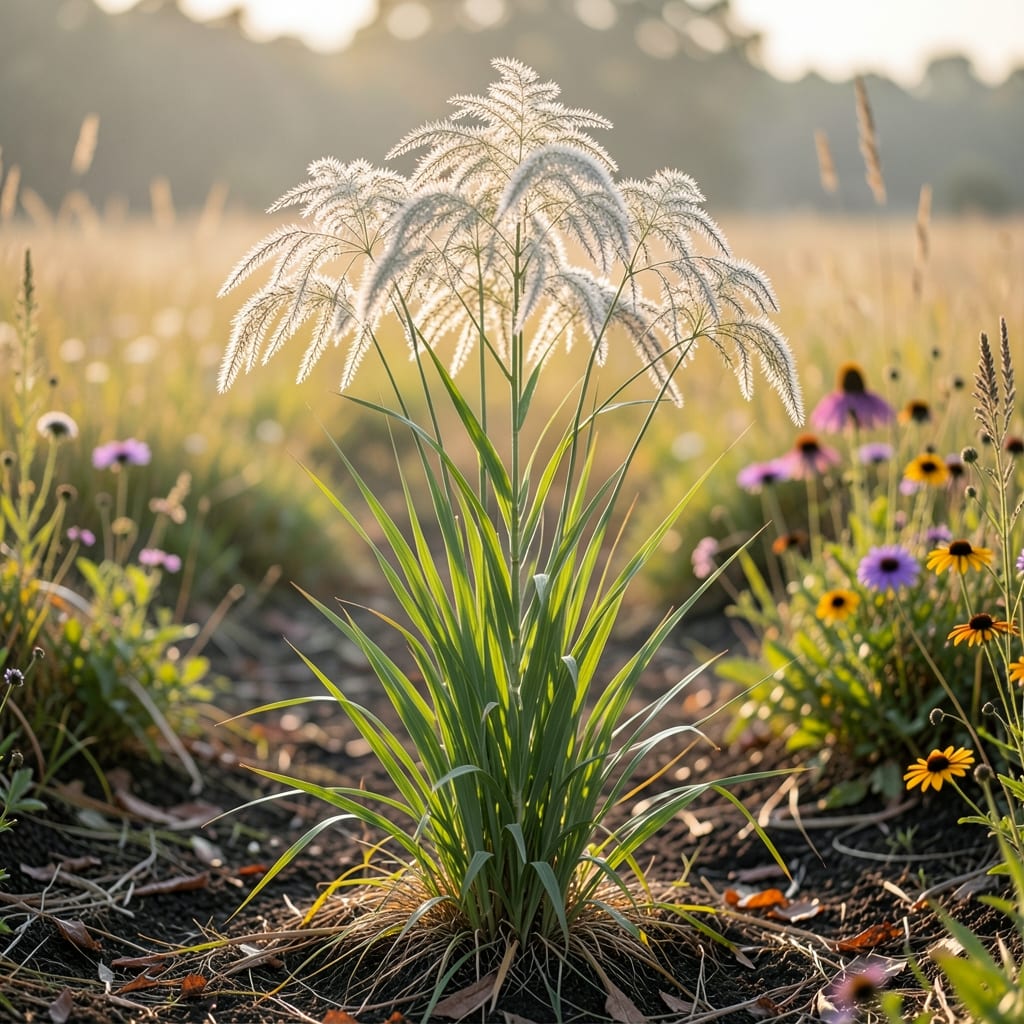
If you’ve ever glanced at a lush meadow and wondered just how tall wild grass can grow, you’re not alone. Some varieties stretch taller than you are—even reaching heights that dwarf most backyard plants. Whether you’re a gardener curious about native species or just fascinated by nature’s extremes, the answer might surprise you.
Wild grass isn’t just a patchy green carpet—it’s a powerhouse of growth, with species like bamboo and switchgrass shooting up to 15 feet or more under the right conditions. But what makes them grow so tall? Climate, soil, and even how often you mow play a huge role. Let’s break down the factors behind these record-breaking heights and how you can encourage (or control) growth in your own space.
From the towering giant reed of wetlands to the hardy orchard grass in your lawn, each type has its own growth story. Some thrive in USDA Zone 6a, while others dominate tropical regions. I’ll show you which species hit the highest marks—and whether your backyard grass could ever rival them.
Ready to discover the secrets behind wild grass’s incredible stature? Whether you’re dreaming of a tall, natural privacy screen or just want to understand why your lawn grows wild, this guide has the answers. Let’s dive in!

Tallest wild grass species: record heights by type
Wild grass isn’t just a few inches tall—some varieties grow taller than a garden shed or even a small tree. The tallest species can reach heights of 15 to 20 feet under ideal conditions, making them a stunning (and sometimes overwhelming) sight in nature. Whether you’re imagining a natural privacy screen or just curious about the extremes, these grasses push the limits of what we think of as "grass."
Bamboo, for example, isn’t just a single plant—it’s a whole forest in one stalk. Some species, like the Phyllostachys bambusoides, can grow up to 60 feet tall in tropical climates, though most common varieties max out around 15 to 20 feet. Meanwhile, the giant reed (Arundo donax), often found in wetlands, can shoot up to 20 feet with thick, woody stems that resemble bamboo.
Even in USDA Zone 6a, where winters are cold, native grasses like switchgrass (Panicum virgatum) can reach 6 to 12 feet tall, while big bluestem (Andropogon gerardii) often tops out at 5 to 7 feet. These grasses aren’t just tall—they’re also hardy, thriving in poor soil and drought conditions where many other plants would struggle.
Now, let’s look at the record-breaking heights of some of the tallest wild grasses in the world, along with what makes them grow so dramatically tall.
| Species | Max Height | Growth Rate | Climate Zone | Notes |
|---|---|---|---|---|
| Phyllostachys bambusoides (Bamboo) | 60 ft (tropical), 15-20 ft (Zone 6a) | 1-2 ft per day (sprouting) | Tropical to Zone 6a | Fastest-growing grass; invasive in some regions. |
| Arundo donax (Giant Reed) | 20 ft | 3-5 ft per year | Tropical to Zone 8 | Woody stems; thrives in wetlands. |
| Panicum virgatum (Switchgrass) | 6-12 ft | 2-3 ft per year | Zone 3-9 | Drought-tolerant; great for erosion control. |
| Andropogon gerardii (Big Bluestem) | 5-7 ft | 1-2 ft per year | Zone 3-9 | Native to North America; wildlife-friendly. |
| Miscanthus sinensis (Maiden Grass) | 6-10 ft | 2-4 ft per year | Zone 5-9 | Ornamental; feathery plumes in fall. |
The Phyllostachys bambusoides bamboo is a true giant, capable of growing 1 to 2 feet per day during its early stages. In tropical regions, it can reach 60 feet in just a few years, making it one of the fastest-growing plants on Earth. Even in cooler climates like Zone 6a, it can still hit 15 to 20 feet, though growth slows significantly in winter.
If you’re dreaming of a natural privacy screen, the giant reed (Arundo donax) is another excellent choice. It grows up to 20 feet and thrives in wet, sunny conditions, making it ideal for ponds or stream banks. However, it’s highly invasive in some areas, so check local regulations before planting.
For gardeners in USDA Zone 6a, native grasses like switchgrass (Panicum virgatum) and big bluestem (Andropogon gerardii) offer a low-maintenance way to add height and texture to your landscape. These grasses are drought-resistant and attract pollinators, making them both practical and ecologically beneficial.
Ornamental grasses like Miscanthus sinensis (maiden grass) are perfect for adding elegance and movement to gardens. They grow 6 to 10 feet tall and
What determines wild grass growth height?
Wild grass height isn’t just luck—it’s a mix of genetics, environment, and care. Some species are naturally built for towering growth, while others stay short unless given the perfect conditions. For example, bamboo can grow 1-2 feet per day in its early stages, but this speed depends on warmth, water, and nutrients. Without these, even the fastest-growing grasses will slow down dramatically.
The climate zone plays a huge role. In tropical regions, grasses like giant reed (Arundo donax) thrive and reach 20 feet, while in USDA Zone 6a, the same species might max out at 10 feet due to colder winters. Even within the same zone, microclimates—like a sunny south-facing slope—can push grass 1-2 feet taller than shady spots.
Now, let’s break down the key factors that determine how tall your wild grass will grow, from soil to sunlight.
- 🌡️ Climate Zone: Tropical grasses grow 30-50% taller than temperate varieties. For example, bamboo hits 60 feet in the tropics but only 15-20 feet in Zone 6a.
- 💧 Water Availability: Deep watering can increase height by 25-40%. Drought-stressed grasses like switchgrass may shrink by 3-5 feet without regular moisture.
- 🌱 Soil Nutrients: Rich, well-draining soil with nitrogen and potassium fuels faster growth. Poor soil can reduce height by up to 50% in species like maiden grass (Miscanthus).
- ☀️ Sunlight Exposure: Full sun (6+ hours/day) maximizes growth. Shady conditions can cut height by 20-30%, especially in ornamental grasses like feather reed grass.
- ✂️ Pruning/Mowing: Regular trimming keeps grasses shorter and bushier. Neglecting to mow can let switchgrass grow 2-3 feet taller than intended.
Genetics also play a critical role. Some grasses, like big bluestem (Andropogon gerardii), are hardwired to stay around 5-7 feet, no matter how much you pamper them. Others, like Phyllostachys bambusoides, have the potential to reach 60 feet but need ideal conditions to unlock that growth. Even within a species, cultivar differences matter—some varieties of maiden grass (Miscanthus sinensis) grow 6 feet, while others hit 10 feet.
If you’re wondering whether your backyard grass can grow as tall as the giants in the wild, the answer depends on species selection and care. For instance, switchgrass in a well-watered, sunny spot with rich soil can easily reach its 6-12 foot potential. But the same grass in dry, compacted soil might only hit 3-5 feet. The key is matching the grass to your local conditions and providing what it needs to thrive.
For gardeners in USDA Zone 6a, focusing on native grasses like switchgrass or big bluestem ensures you’ll get the tallest, hardiest results with minimal fuss. These species are already adapted to your climate, so they’ll grow taller and healthier with less effort than tropical imports.
Understanding these factors lets you control grass height—whether you want a privacy screen or a neat lawn. The right combination of sun, water, and soil can turn even modest grasses into towering giants.