
Flowers
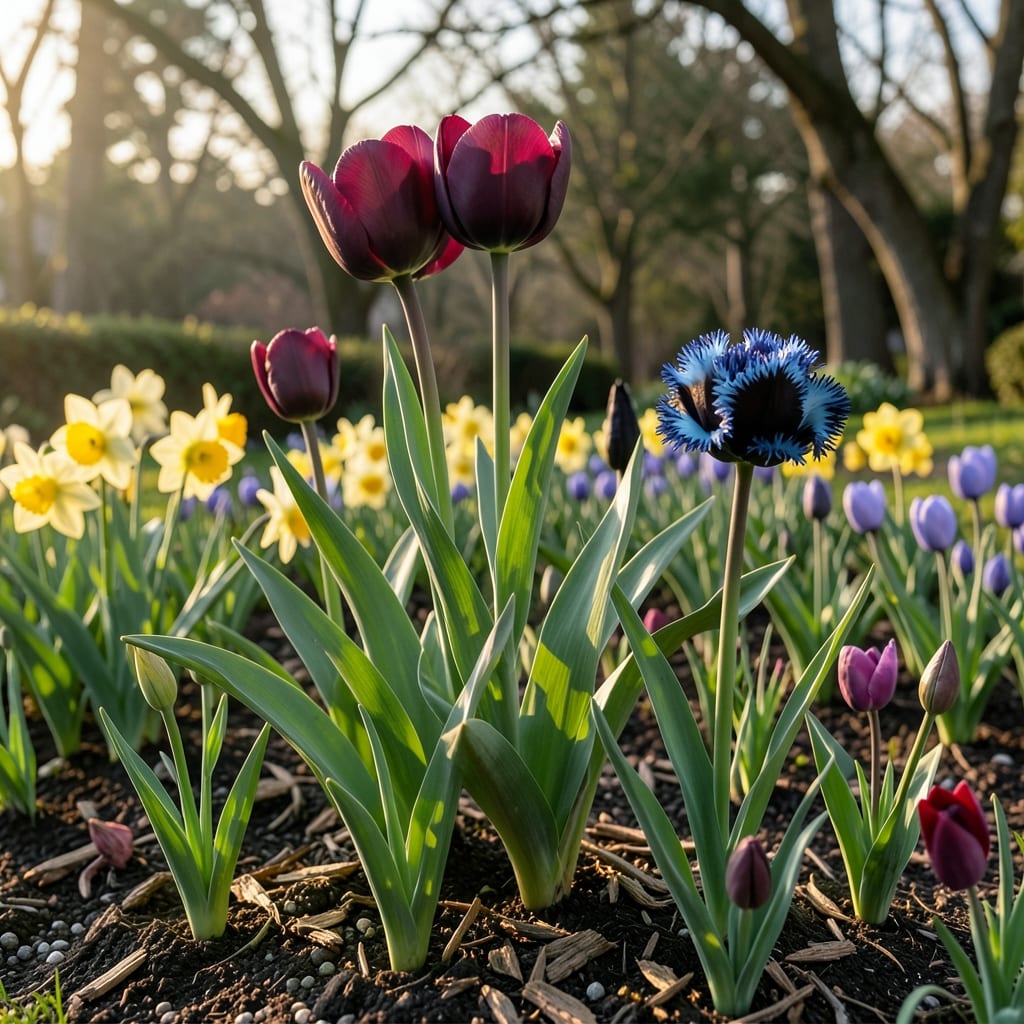
Curious about how tall can tulips grow before they reach their stunning peak? The answer might surprise you—these 🌷 beauties can range from tiny 6-inch dwarfs to towering 28-inch giants, depending on the variety and care you provide.
Picture this: a Queen of Night tulip stretching nearly 3 feet tall, its dark petals swaying dramatically, while a Tiny Tim variety stays neatly at 6 inches, perfect for edging garden beds. That’s the magic of tulips—they’re not just flowers; they’re architectural elements that can completely transform your garden’s height and texture.
But here’s the catch: soil quality, sunlight exposure, and even your planting depth can push those stems higher or keep them compact. In USDA Zone 6a, where fall planting sets the stage for spring blooms, understanding these factors is the key to growing tulips that match your vision—whether you’re dreaming of a lush border or a dramatic focal point.
Ready to discover the perfect height for your space? I’ll break down the varieties, share space-saving tricks, and reveal the secrets to coaxing your tulips to their full potential—without sacrificing your garden’s harmony.


Tulip height by variety: from dwarf to giant flowering giants
When planning your spring garden, knowing how tall can tulips grow helps you create stunning visual layers. Tulips span an impressive range—from 6-inch dwarfs to 28-inch giants—each variety offering unique garden possibilities.
Dwarf tulips like 'Tiny Tim' stay compact at 6-12 inches, perfect for edging or container gardens. Semi-dwarf varieties such as 'Darwin Hybrid' reach 12-18 inches, ideal for mid-border planting. Standard types like 'Queen of Night' can soar to 24-28 inches, creating dramatic focal points.
Here's the key: species and cultivar determine height, but growing conditions can influence growth by 20-30%. For example, 'Black Parrot' tulips typically grow 18-24 inches, but with rich soil and full sun, they may reach 28 inches.
Early bloomers like 'Parrot' and 'Fosteriana' varieties tend to be taller, while late-season 'Darwin Hybrid' tulips often stay shorter but produce larger blooms. Understanding these differences lets you strategically place tulips for maximum impact.
Let's explore the height ranges in detail—because the right variety can make all the difference in your garden's vertical design.
| Variety Type | Height Range | Best For | Bloom Time |
|---|---|---|---|
| Dwarf (Tiny Tim, Little Beauty) | 6-12 inches | Containers, borders, edging | Early to mid-spring |
| Semi-Dwarf (Darwin Hybrid, Fosteriana) | 12-18 inches | Mid-border planting | Mid to late spring |
| Standard (Queen of Night, Black Parrot) | 18-28 inches | Focal points, back of borders | Early to mid-spring |
| Giant (Queen of Night, Black Hero) | 24-28 inches | Dramatic accents, cut flowers | Early spring |
| Species (Tulipa greigii, Tulipa tarda) | 8-16 inches | Rock gardens, naturalized areas | Early spring |
For small gardens, dwarf varieties like 'Tiny Tim' (6-12 inches) are game-changers. These compact beauties thrive in containers or along walkways, adding color without overwhelming your space. Their early bloom time also gives you weeks of enjoyment before taller perennials take over.
If you're aiming for dramatic height, 'Queen of Night' and 'Black Parrot' tulips are unbeatable. These 24-28 inch varieties create stunning vertical accents, especially when planted in groups of 5-7 bulbs. Their dark petals contrast beautifully against lighter foliage, making them perfect for moon gardens or night-blooming displays.
Don't overlook species tulips like Tulipa greigii, which typically reach 8-16 inches but offer unique fringed petals and long bloom times. These varieties are ideal for naturalized plantings or rock gardens where their wild, natural look shines.
Remember: soil depth and nutrient availability can push even dwarf varieties 2-4 inches taller. Planting bulbs in well-draining soil with compost enrichment ensures they reach their full potential height.
Now that you know the height ranges, let's explore how to maximize your space—whether you're working with a tiny balcony or a sprawling backyard.
Space-saving tricks for tall vs. short tulips in small gardens
Small gardens don’t mean small possibilities—with the right strategies, you can mix tall tulips (24 inches) and dwarf varieties (6 inches) without sacrificing space or beauty. The secret lies in layered planting and smart companion choices that create depth while keeping your garden tidy and vibrant.
Start by placing tall tulips like 'Queen of Night' at the back of borders or along fences. Their 24-28 inch height adds drama without crowding. Pair them with medium-height varieties (12-18 inches) like 'Darwin Hybrid' in the middle, and tuck dwarf tulips like 'Tiny Tim' (6-12 inches) in front for a polished, tiered look.
🌱 Visual Height Guide 🌱
- 🌿 Back Row: Tall tulips (24-28") like 'Black Parrot' or 'Queen of Night'
- 🌼 Middle Row: Medium tulips (12-18") like 'Darwin Hybrid' or 'Fosteriana'
- 🌱 Front Row: Dwarf tulips (6-12") like 'Tiny Tim' or 'Little Beauty'
Containers are another game-changer for small spaces. Use deep pots (12+ inches) to grow tall tulips like 'Queen of Night' alongside trailing plants (e.g., petunias or lobelia) to soften their height. For dwarf varieties, shallow containers (6-8 inches deep) work perfectly—just ensure they get 6+ hours of sun daily.
Vertical space is often underutilized! Install trellises or obelisks near tall tulips to train climbing companions like clematis or morning glories upward. This draws the eye upward, making your garden feel larger while keeping the tulips grounded. For dwarf tulips, try wall-mounted planters or hanging baskets to add height without taking up floor space.
Don’t forget the power of companion planting. Pair tall tulips with low, spreading plants like creeping thyme or coral bells to create a seamless transition. For dwarf tulips, mix them with bulbs like crocus or grape hyacinths for early-season color that won’t compete for space.
Finally, prune strategically to control height. If your tall tulips threaten to topple, stake them with bamboo stakes or soft ties before they bloom. For dwarf varieties, a light pinch of foliage can encourage bushier growth, making them appear fuller without extra height.
With these tricks, even the smallest garden can feel like a grand tulip show—where every inch of space is used intentionally and every bloom steals the spotlight.