
Size
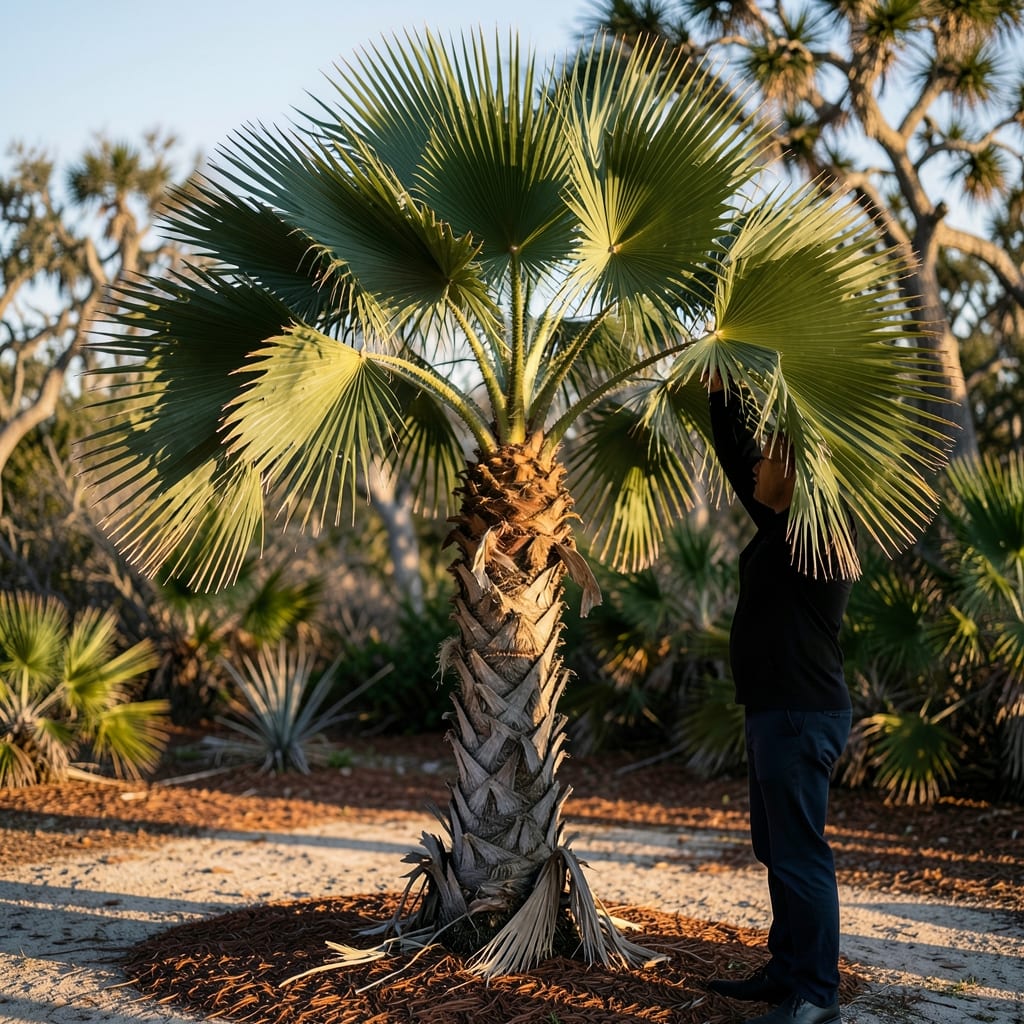
If you're curious about how tall the Sabal palm can grow in meters, you're not alone—this stunning 🌴 is a favorite for gardeners in USDA Zones 9-11 who want tropical drama without the fuss. The answer might surprise you: some varieties stretch up to 15 meters (or 50 feet), making them a statement piece in any landscape.
But here's the catch: not all Sabal palms reach that height. Species like Sabal palmetto grow taller and slower, while others like Sabal minor stay more compact. Your climate, soil, and care routine play a big role in how much your palm will tower over your yard.
Whether you're planning a backyard oasis or just love the look of these palms, knowing their growth potential helps you choose the right spot. We’ll break down the heights by variety, plus tips to encourage (or control) their growth—so you can enjoy this tropical beauty without any unexpected surprises.
Ready to transform your space? Let’s dive into the details so you can pick the perfect Sabal palm for your garden—no guesswork required.


Sabal palm height by variety: meters and USDA Zone growth limits
The Sabal palm is a versatile tropical beauty, but its height varies dramatically by variety. If you're planning your landscape, knowing these ranges in meters (and feet) helps you choose the right palm for your space. Here’s what to expect from the most popular types:
Sabal palmetto is the tallest, reaching 12–15 meters (40–50 feet) in ideal conditions. It’s the classic coastal palm you see lining Southern roadsides, thriving in USDA Zones 8–11. In colder zones (like Zone 7 with winter protection), it may max out at 9–12 meters (30–40 feet).
Sabal minor, also called the dwarf palmetto, stays much shorter—typically 2–4 meters (6–13 feet)—but grows wider. It’s perfect for smaller yards in Zones 7–10. This variety grows faster in height during its first decade but slows dramatically after maturity.
Sabal mexicana (or Mexican palmetto) is a middle-ground option, hitting 6–9 meters (20–30 feet). It’s slightly more cold-hardy (Zones 8–10) and grows at a steady 30–50 cm (1–2 feet) per year in ideal conditions.
Pro tip: If you’re in Zone 7 or below, opt for Sabal minor or Sabal mexicana—they handle cooler temps better and won’t outgrow your property unexpectedly.
🌴
Now that you know the height ranges, here’s how to maximize (or manage) your Sabal palm’s growth. The right soil type, sunlight exposure, and pruning habits can push a palm toward its full potential—or keep it compact if space is limited.
For example, Sabal palmetto in Zone 10 with well-draining sandy soil and full sun will likely hit that 15-meter mark. But in Zone 8 with clay-heavy soil, it might stay around 9 meters (30 feet) due to slower growth.
If you’re planting near power lines or tight spaces, Sabal minor is your best bet—it’s happy at 2–3 meters and spreads instead of shooting upward. Just remember: even "dwarf" palms can surprise you if given ideal conditions!
🌱
Factors that influence Sabal palm height: soil, climate, and care tips
Your Sabal palm’s height isn’t just about its variety—soil quality, climate conditions, and care habits play huge roles in whether it reaches its full potential. For example, a Sabal palmetto in Zone 10 with well-draining soil and full sun can hit 15 meters, but the same palm in Zone 8 with compacted clay might max out at 9 meters. Let’s break down the key factors so you can give your palm the best shot at reaching (or staying within) your desired height.
First, soil drainage is critical. Sabal palms hate soggy roots—they need soil that drains quickly to prevent root rot, which stunts growth. Amend heavy clay with organic matter like compost or sand to improve aeration. In sandy soils, add peat moss to retain moisture during dry spells. Poor drainage can cut a palm’s height by 30–50% compared to ideal conditions.
Next, sunlight exposure directly impacts growth rate. While Sabal palms tolerate partial shade, they thrive in full sun (6+ hours daily). A palm in bright light grows 20–30% taller than one in dappled shade. If you’re planting in a shady spot, choose Sabal minor—it handles lower light better and stays shorter naturally.
🌱
Top 3 Factors for Optimal Sabal Palm Height
- ✅ Soil Drainage: Well-draining soil = taller growth. Amend clay or sand as needed.
- ✅ Sunlight: Full sun (6+ hours) maximizes height potential. Partial shade slows growth.
- ✅ Fertilization: Balanced NPK 6-6-6 in spring/summer boosts growth by 15–25%.
Pro tip: Mulch with 3–4 inches of organic mulch to retain moisture and encourage steady growth.
Don’t overlook fertilization—Sabal palms respond well to a balanced fertilizer (like 6-6-6 NPK) applied in spring and summer. Avoid over-fertilizing in fall/winter, as it can lead to salt buildup in the soil, which stunts roots. A well-fed palm grows 30–50 cm (1–2 feet) per year in ideal conditions, while an underfed one may grow just 15–20 cm (6–8 inches) annually.
Finally, climate and USDA zone set the baseline for height. Sabal palms in Zones 9–11 grow faster and taller than those in Zones 7–8. For example, a Sabal mexicana in Zone 10 might reach 9 meters, but the same variety in Zone 8 could max out at 6 meters due to cooler winters. If you’re pushing the limits in a colder zone, use winter protection (like burlap wraps or frost cloth) to avoid cold damage that slows growth.
🌡️
By tweaking these factors, you can maximize or control your Sabal palm’s height. Want to keep it compact? Plant in partial shade and fertilize lightly. Dreaming of a towering tropical giant? Give it full sun, well-draining soil, and regular feeding. The choice is yours—your palm’s height is in your hands!