
Flowers
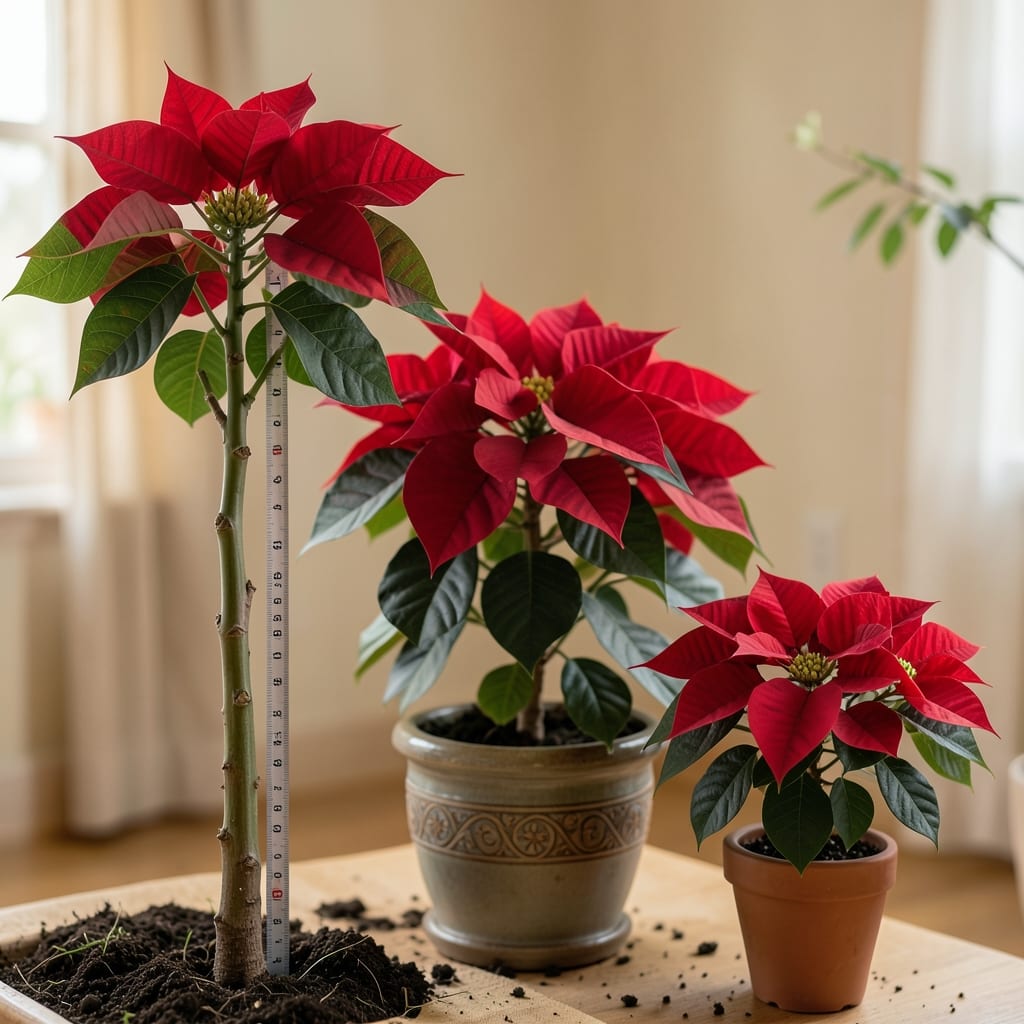
If you’ve ever wondered how tall can poinsettias grow—or why your 🎄 plant looks more like a tabletop decoration than a towering holiday star—you’re not alone. Poinsettias are famous for their vibrant colors, but their height can vary wildly depending on the variety and care you provide.
The truth is, most poinsettias top out between 1 to 4 feet, with dwarf varieties staying compact (around 1-2 feet) and standard types reaching their full 3-4 foot glory. But here’s the catch: indoor conditions, pruning, and even light exposure play a huge role in whether your plant stays short or stretches toward the ceiling.
Whether you’re dreaming of a dramatic centerpiece or a cozy windowsill display, understanding these factors is the key to getting the height you want. I’ll break down how to encourage (or control) growth, so your poinsettia becomes exactly the size you envisioned—no surprises included.
From picking the right variety to avoiding common mistakes that stunt growth, this guide will help you grow a poinsettia that’s as impressive as it is festive. Let’s get started!

Poinsettia growth height by variety: indoor vs outdoor limits
Poinsettias aren’t one-size-fits-all when it comes to height—some varieties stay as compact as a 1-foot tabletop plant, while others stretch toward the 4-foot ceiling. The difference often comes down to whether you’re growing them indoors (where space and light control everything) or outdoors (where they can reach their full potential).
For example, the Classic Red variety typically grows 3-4 feet tall indoors but can exceed 5 feet outdoors in ideal conditions. Meanwhile, dwarf varieties like Jingle Bells max out around 1-2 feet, making them perfect for apartments or small spaces.
Outdoor poinsettias often grow taller because they have access to natural sunlight and more room to spread their roots. However, they’re sensitive to frost and must be brought inside before temperatures drop below 40°F. Indoor poinsettias, on the other hand, rely entirely on artificial light and container size, which can stunt or encourage growth.
Here’s how popular varieties compare in both settings, so you can pick the perfect fit for your space and goals:
The table above shows how variety selection is the first step in controlling height. If you’re limited to indoor growing, opt for dwarf or semi-dwarf types to avoid ceiling collisions. For outdoor gardens in warmer climates (USDA zones 9-11), standard varieties can thrive year-round with proper winter protection.
But height isn’t just about the variety—it’s also about light exposure. Poinsettias need 6+ hours of bright indirect light daily to grow upright. Without enough light, they’ll stretch toward windows or grow leggy, which can make them top-heavy and prone to falling over.
Outdoor poinsettias also benefit from natural pollination, which can lead to slightly taller growth compared to indoor plants. However, outdoor plants require frost protection and may need staking to support their weight during wind or rain.
Pro tip: If you’re growing poinsettias outdoors in colder zones, start them in large containers so you can bring them inside before the first frost. This gives you the best of both worlds—outdoor growth potential with indoor control.
Next, we’ll dive into how to maximize or control your poinsettia’s height based on your space, whether you’re aiming for a towering holiday statement or a cozy windowsill companion. ✂️
Poinsettia growth height by variety: indoor vs outdoor limits
Poinsettias aren’t one-size-fits-all when it comes to height. The variety you choose determines whether your plant will stay a 1-foot tabletop gem or stretch toward 4 feet of holiday grandeur. For example, the Classic Red variety typically reaches 3-4 feet indoors but can grow even taller outdoors with ideal conditions. Meanwhile, dwarf varieties like Jingle Bells max out around 1-2 feet, making them perfect for small spaces.
Outdoor-grown poinsettias often outperform their indoor counterparts due to more sunlight and space. However, most gardeners grow them as annuals in warmer zones (USDA 9-11), where they can reach 4-5 feet with proper care. If you’re in colder climates, treat them as tender perennials and bring them indoors before frost.
Here’s how popular varieties compare in height—both indoors and outdoors—so you can pick the perfect fit for your space and goals:
The outdoor height advantage comes from unobstructed sunlight and root space. However, most gardeners in colder zones grow poinsettias as potted annuals, moving them indoors before frost. If you’re planting outdoors, choose a sheltered spot with morning sun and afternoon shade to prevent leaf scorch while encouraging height.
For indoor growers, container size matters. A 10-inch pot will limit height to 2-3 feet, while a 14-inch pot can support 3-4 foot growth. Always use a pot with drainage holes to prevent root rot, which can stunt growth.
Pro tip: If you want a taller poinsettia, pinch back the tips of young plants in early summer to encourage branching. For shorter, bushier growth, reduce light exposure slightly or prune later in the season. The key is balancing light, space, and pruning to get the height you want—whether it’s a compact tabletop display or a dramatic holiday statement piece.