
How To
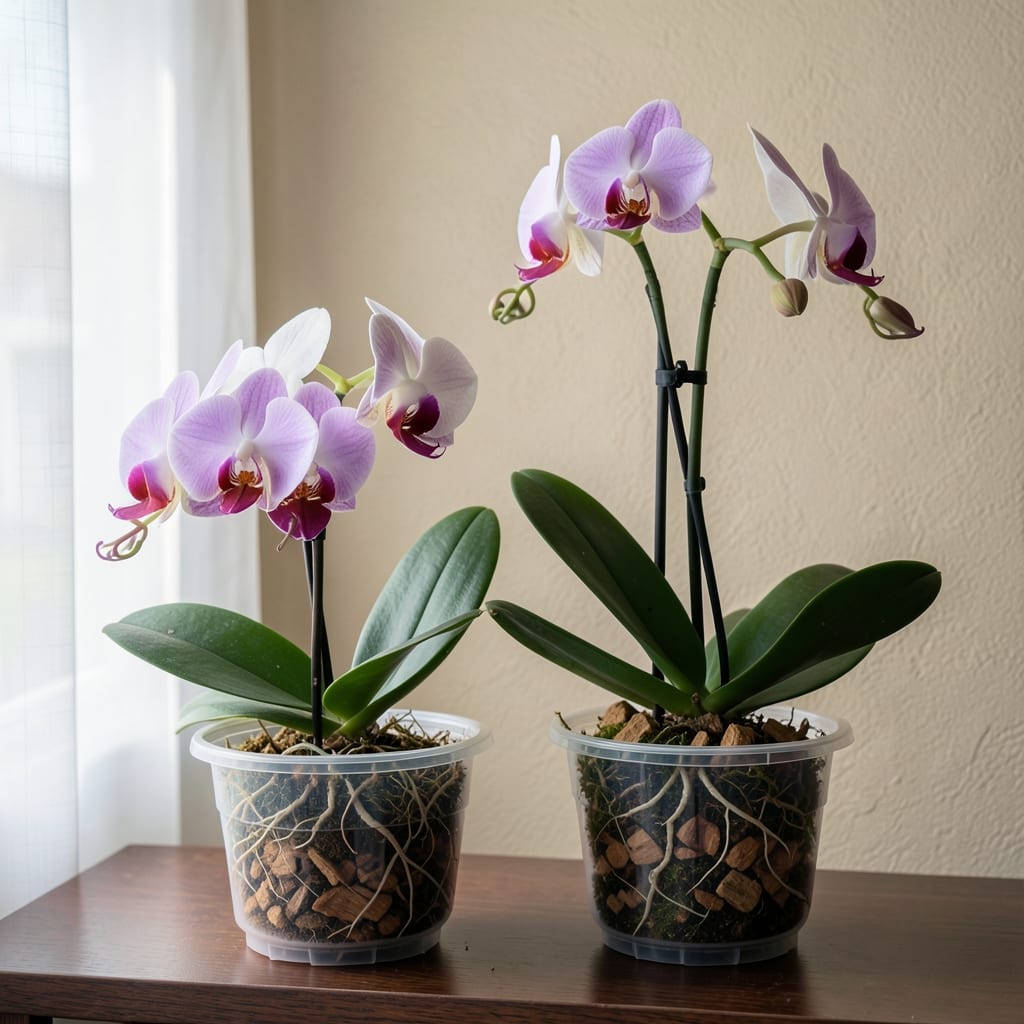
Ever wondered just how tall your 🌸 orchids can grow? The answer might surprise you—some varieties stay as small as a teacup, while others stretch toward the ceiling like jungle giants. If you're dreaming of dramatic vertical displays or cozy tabletop arrangements, knowing the height potential of different orchid species is the first step to creating your perfect indoor garden.
Orchid heights vary wildly depending on the species, with some staying under 6 inches while others reach an impressive 6 feet or more. Whether you're a beginner with limited space or an experienced grower aiming for a statement piece, understanding these differences will help you choose the right variety for your home—or even troubleshoot why your orchid isn't growing as expected.
But here's the thing: it's not just about picking a tall or short variety. Light, pot size, and care techniques all play a role in how your orchid reaches its full height potential. I'll break down the key factors so you can encourage the growth you want—whether that means keeping your orchid compact or helping it climb toward the sky.
Ready to discover which orchids will fit your space and which might need a trellis or two? Let's dive into the world of orchid heights and learn how to nurture them to their fullest, most stunning potential.

Orchid height ranges: from miniature varieties to giant species explained
Orchids aren't one-size-fits-all when it comes to height. Some varieties stay small enough to perch on a desk, while others grow tall enough to need ceiling support. The key to choosing the right orchid for your space starts with understanding these height categories and their unique characteristics.
I've grown everything from miniature Jewel orchids that fit in my palm to towering Vanda varieties that reach my shoulders. The difference in care and space requirements between these extremes is significant, so let's break down what you can expect from each size category.
Here's how orchids typically categorize by height, along with popular varieties and their ideal growing conditions to help you visualize their mature sizes:
| Height Category | Height Range | Popular Varieties | Ideal Growing Conditions |
|---|---|---|---|
| Miniature | 6-12 inches | Jewel Orchid (Ludisia discolor), Miniature Phalaenopsis | Bright indirect light, small pots, high humidity |
| Dwarf | 1-2 feet | Paphiopedilum, Dendrobium 'Fairy Wings' | Moderate light, well-ventilated spots, slightly larger pots |
| Medium | 2-3 feet | Phalaenopsis (most varieties), Cymbidium | Bright indirect light, standard orchid mix, moderate humidity |
| Large | 3-5 feet | Cattleya, Oncidium 'Dancing Lady' | High light, sturdy supports, larger containers |
| Giant | 5-10+ feet | Vanda 'Miss Joaquim', Grammatophyllum | Very high light, strong air circulation, climbing supports |
My Phalaenopsis orchids typically fall into the medium category, reaching about 2-3 feet with proper care. I've seen them grow taller when given more light, but they rarely exceed 4 feet in my home. The key difference between these categories isn't just height—it's their growth requirements and how they interact with their environment.
For example, those miniature varieties thrive in small spaces with high humidity, making them perfect for bathrooms or kitchen windowsills. Meanwhile, the giant species need strong structural support and more aggressive growing conditions that mimic their tropical origins.
If you're working with limited space, consider dwarf varieties like Paphiopedilum, which stay compact but still produce stunning blooms. For dramatic displays, the large and giant categories offer incredible vertical interest when given proper support structures.
Remember that these are general guidelines. With the right care, some orchids can grow taller than expected, while others may stay smaller. The key factors influencing height are light exposure, pot size, and pruning habits, which we'll explore in the next sections.
🌱
How growth habits affect orchid height: epiphytic vs terrestrial orchids
Orchid height isn't just about the species—it's also about how they grow naturally in the wild. Understanding these growth habits helps explain why some orchids stay compact while others reach towering heights. The two main categories are epiphytic and terrestrial orchids, each with distinct growth patterns that directly impact their mature size.
Epiphytic orchids, like Vandas and Cattleyas, grow on trees or rocks in their natural habitat. They develop aerial roots that cling to surfaces, allowing them to reach impressive heights—often 5 feet or more—when given proper support. These orchids thrive in high humidity and bright indirect light, conditions that encourage vertical growth.
Terrestrial orchids, such as Paphiopedilums and Cymbidiums, grow in soil and typically remain shorter, usually under 3 feet. Their growth is more horizontal, focusing on spreading roots rather than climbing. These orchids prefer well-draining soil and moderate humidity, which keeps their growth compact and manageable for smaller spaces.
I once grew a Vanda orchid that reached 6 feet in my greenhouse, thanks to its epiphytic nature and the moss pole I provided. In contrast, my Paphiopedilum stayed a neat 1.5 feet tall, perfect for a windowsill. The key difference? The Vanda needed climbing support, while the Paphiopedilum thrived in its pot without any extra help.
If you're aiming for taller orchids, focus on epiphytic varieties and provide climbing structures. For compact growth, terrestrial orchids are your best bet, especially in smaller living spaces. The right growth habit can make all the difference in achieving your desired orchid height.
🌿