
How To
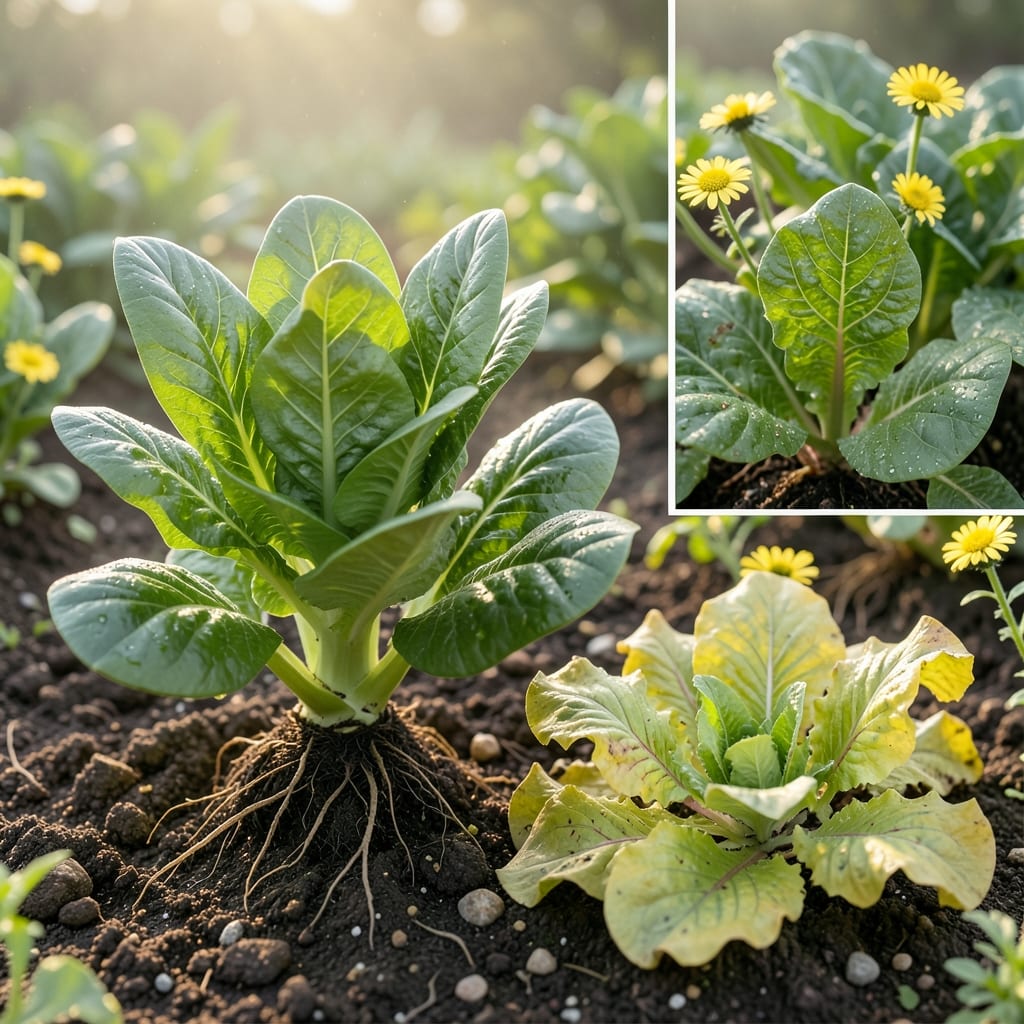
If you’ve ever wondered how tall can lettuce grow before it turns bitter or bolts into a flower, you’re not alone. That crisp, fresh 🥬 you crave in salads has a surprisingly variable height range—some varieties stay compact while others stretch toward the sky, and getting it right makes all the difference in your harvest.
The truth is, lettuce height depends entirely on the type you’re growing. Leaf lettuce might stay under 6 inches tall, while romaine or romaine-esque varieties can reach nearly 2 feet at maturity. But here’s the catch: taller doesn’t always mean better—it often signals it’s time to harvest before the plant decides to go to seed.
I’ll break down exactly which varieties hit which heights, how sunlight and containers play a role, and the 3 key signs your lettuce is ready to pick. Whether you’re working with a tiny balcony pot or a backyard plot, these insights will help you grow the perfect-sized 🥬 every time.
Let’s dive into the numbers so you can plan your garden—or your next salad—like a pro.

Lettuce height by variety: from dwarf to towering giants
Lettuce height varies dramatically depending on the variety you choose, and understanding these differences is the first step to planning your garden. Some types stay low and bushy, perfect for container gardening, while others grow tall and upright, needing more space. The key is matching your growing goals—whether you want quick salads or long harvest windows—with the right lettuce type.
For example, leaf lettuce varieties like Buttercrunch or Black Seeded Simpson typically max out at 6-12 inches tall, making them ideal for small spaces. Meanwhile, romaine lettuce, such as Cos or Paris Island, can stretch up to 20-24 inches, needing more vertical room. Even within these categories, there are dwarf and giant options that change how you manage your crop.
Here’s the game-changer: head lettuce (like Iceberg or Crimson) tends to grow 12-18 inches tall, forming dense heads that take longer to mature. This means you’ll need to plan for a longer harvest window—often 60-70 days—compared to loose-leaf types, which can be ready in as few as 30 days. The trade-off? Head lettuce stays crisp longer, while leaf lettuce offers continuous harvests if you pick outer leaves.
But why does height matter beyond just space? Taller lettuce varieties often have longer maturity times, which means they’re more vulnerable to bolting—when the plant sends up a flower stalk and turns bitter. Shorter varieties, on the other hand, mature faster and are less likely to bolt if given the right conditions. This is why succession planting works so well with leaf lettuce: you can harvest and replant every few weeks without waiting months.
Let’s cut to the chase with a quick reference for the most popular types and their typical mature heights. This will help you visualize which varieties fit your garden layout and harvest timeline.
| Variety Type | Common Examples | Mature Height | Harvest Time | Best For |
|---|---|---|---|---|
| Leaf Lettuce | Buttercrunch, Black Seeded Simpson, Oakleaf | 6–12 inches | 30–45 days | Containers, cut-and-come-again |
| Butterhead Lettuce | Bibb, Buttercrunch, Tom Thumb | 8–14 inches | 40–50 days | Salads, small gardens |
| Romaine Lettuce | Cos, Paris Island, Little Gem | 18–24 inches | 60–70 days | Large plots, long harvests |
| Iceberg Lettuce | Great Lakes, Iceberg | 12–18 inches | 70–80 days | Crisp salads, storage |
| Dwarf Varieties | Salad Bowl, Tom Thumb | 4–8 inches | 25–35 days | Balconies, windowsills |
Now, here’s where things get interesting: height isn’t just about the variety. Factors like sunlight exposure, soil fertility, and even temperature fluctuations can push lettuce to grow taller or shorter than expected. For instance, romaine lettuce in full sun might reach its 24-inch potential, but the same variety in partial shade could stay under 18 inches while producing more tender leaves. This is why I always recommend starting with dwarf or semi-dwarf varieties if you’re limited on space—you’ll still get great harvests without the vertical commitment.
Another pro tip: pruning can control height naturally. If your leaf lettuce starts to get leggy (a sign it’s stretching for light), simply snip the outer leaves and let the inner ones fill out. This keeps the plant compact and encourages bushier growth. For taller varieties like romaine, you can even harvest the lower leaves first to slow bolting and extend the harvest window by 2-3 weeks. It’s a simple trick that makes a big difference in flavor and yield.
Let’s talk about container gardening for a moment, since height directly impacts your pot choices. If you’re growing dwarf lettuce
Container gardening hacks to control lettuce height
When space is limited, container gardening becomes a game-changer for managing lettuce height. The right pot size and placement can keep your greens compact, prevent bolting, and even extend your harvest season. For dwarf varieties like Salad Bowl, a 6-inch pot is perfect—it mirrors their natural growth habit of staying under 8 inches tall. But for taller types like romaine, you’ll need deeper containers (at least 12 inches) to accommodate their 18-24 inch mature height without crowding roots.
Here’s the secret weapon: succession planting in containers. Instead of planting all your lettuce seeds at once, stagger them every 2 weeks. This ensures you always have fresh, compact plants ready to harvest while older ones bolt. For example, plant 4-6 seeds in a 10-inch pot in early spring, then repeat the process in late summer for a fall harvest. The result? A steady supply of 6-12 inch lettuce without the vertical sprawl.
Let’s talk pruning techniques—they’re your best friend for controlling height in pots. If your leaf lettuce starts to stretch (a sign it’s reaching for light), simply trim the outer leaves every 5-7 days. This encourages the plant to focus on bushier growth rather than height. For romaine or butterhead varieties, harvest the lower leaves first to prevent the plant from becoming top-heavy and leggy. This method can reduce height by 20-30% while keeping your lettuce tender and flavorful.
🌱 Top 5 Container Hacks for Compact Lettuce
- Right pot size: 6-inch for dwarf, 10-12 inch for romaine/butterhead
- Succession plant: Stagger seeds every 2 weeks for continuous harvests
- Prune outer leaves: Trim 5-7 days to encourage bushiness
- Use reflective surfaces: Place pots near white walls to boost light
- Avoid over-fertilizing: Too much nitrogen = leggy growth
Light is another critical factor in container gardening. Lettuce thrives on 4-6 hours of sunlight daily, but too much direct sun can cause bolting. If your balcony gets intense afternoon sun, opt for partial shade varieties like Oakleaf or use a light shade cloth to filter harsh rays. I’ve found that placing containers near east or west-facing windows gives lettuce just enough light without overheating the soil. Pro tip: Rotate pots weekly to ensure even growth—this prevents one side from stretching toward the light.
Finally, let’s address the biggest mistake container gardeners make: underestimating root depth. Lettuce roots can grow 6-12 inches deep depending on the variety, so shallow pots (under 6 inches) will stunt growth and lead to bitter, stunted leaves. Always choose containers with drainage holes and fill them with a lightweight potting mix amended with compost. This combo ensures your lettuce stays compact, healthy, and ready for harvest in as little as 30 days.
With these container hacks, you can grow perfectly sized lettuce—whether you’re working with a windowsill or a balcony garden. The key is matching your variety, pot size, and light conditions to keep your greens at their ideal height for crisp, flavorful harvests. 🌿